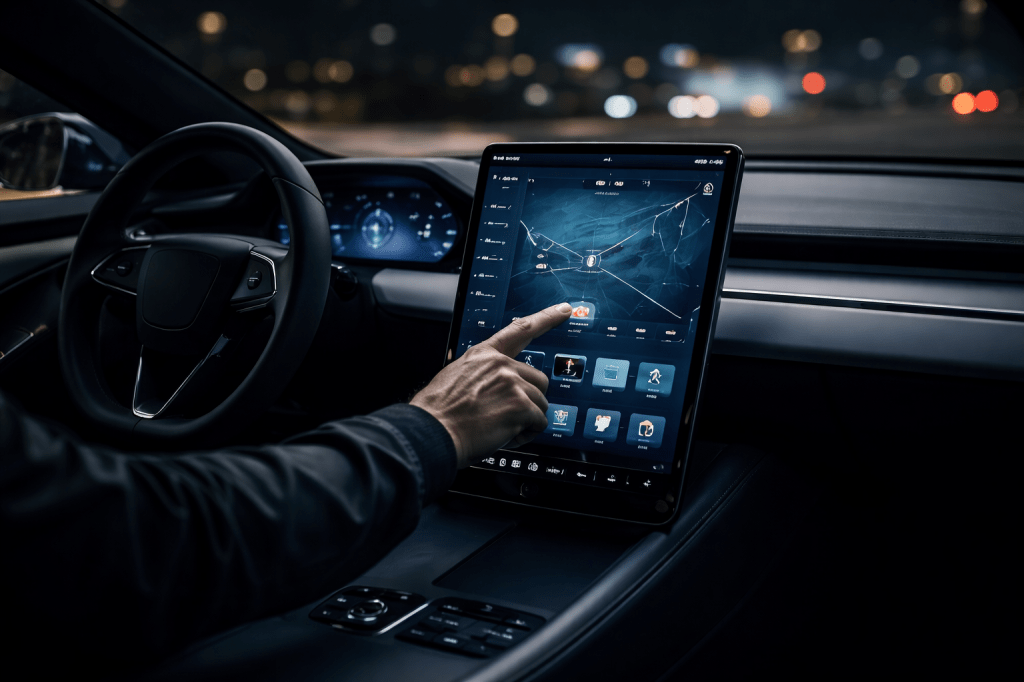
For years the industry has insisted modern cars became more complicated to improve driving. The truth is far less flattering.
Introduction
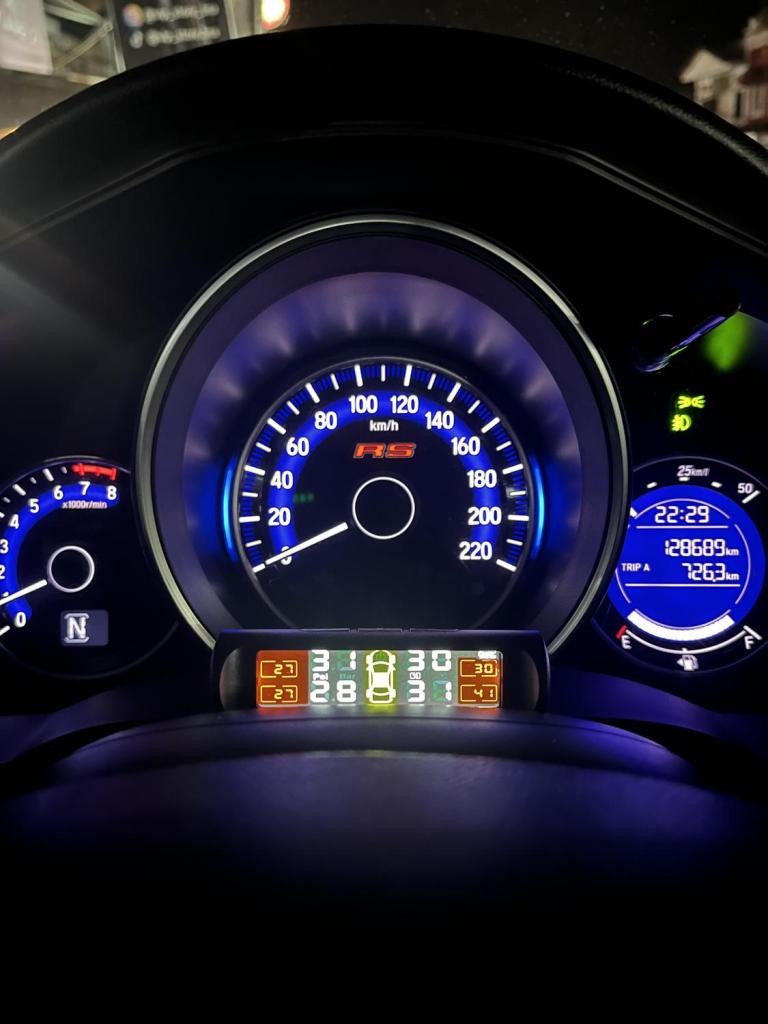
There is a story the car industry likes to tell.
It appears in press releases, product launches and glossy videos showing designers sketching dramatic shapes while engineers talk about innovation. The story goes something like this: modern cars are more complex because they have to be. More software, more systems, more sensors — all of it exists to make driving safer, easier and better.
And on the surface, that explanation sounds perfectly reasonable.
Modern cars are extraordinary machines. They protect passengers with remarkable effectiveness, travel further on less fuel, and can accelerate faster than supercars from only a couple of decades ago.
But if you spend enough time actually living with them — using them daily rather than admiring them in launch videos — something odd becomes apparent.
Many of the things that made cars intuitive and enjoyable have quietly disappeared.
And once you look closely, a rather uncomfortable truth begins to emerge.
The complexity of modern cars did not arrive purely to improve the driving experience.
The Official Story
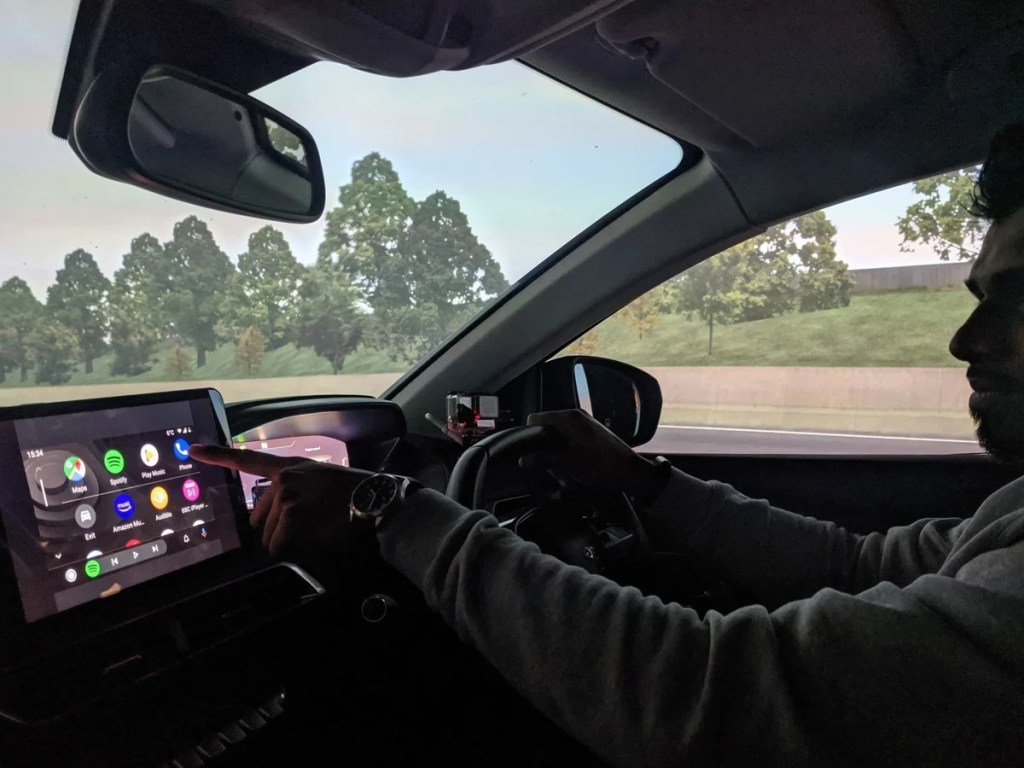
According to the industry, the growing complexity of cars is simply the natural evolution of technology.
Driver assistance systems prevent accidents.
Touchscreens allow greater flexibility.
Digital controls enable more features.
Connectivity brings convenience.
Every additional layer of technology is presented as progress.
In many cases, that progress is genuine. Stability control has saved countless lives. Adaptive cruise control reduces fatigue on long journeys. Modern safety systems protect occupants in ways earlier engineers could barely imagine.
But the explanation quietly skips over an important detail.
Not all complexity serves the driver.
In fact, a surprising amount of it serves something else entirely.
The Rise of the Rolling Computer
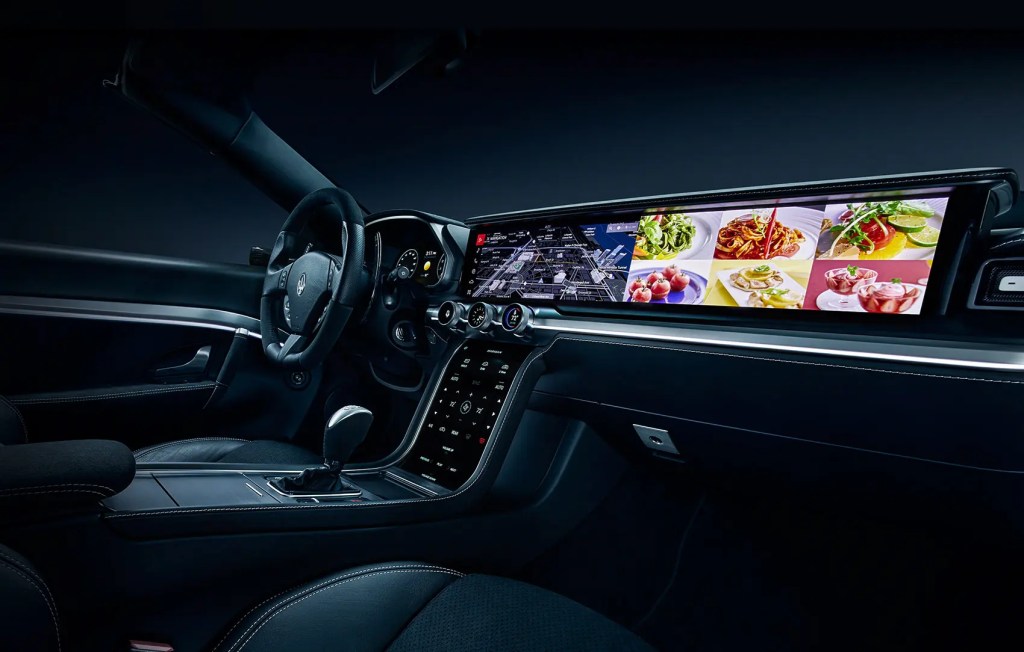
Take a moment to look inside a modern car.
What you’ll often see is something that resembles a consumer electronics device more than a traditional machine. Large central screens dominate dashboards. Physical switches have been replaced by digital menus. Basic functions — temperature, seat heating, even glovebox release in some cases — are now controlled through software.
The industry describes this shift as progress.
But for many drivers, the experience feels less intuitive than before.
Turning a simple dial used to adjust the temperature instantly. Now the same task might involve navigating a touchscreen interface while the car is moving.
From a usability perspective, this isn’t obviously an improvement.
Which raises a simple question.
If the change doesn’t always benefit the driver, why did it happen?
The Real Drivers of Complexity
To understand why modern cars became so complicated, you have to look beyond engineering and into the structure of the modern automotive industry.
Because cars today are no longer designed purely as machines.
They are designed as products within enormous global systems.
And those systems have priorities that extend far beyond the driver’s experience.
Regulation
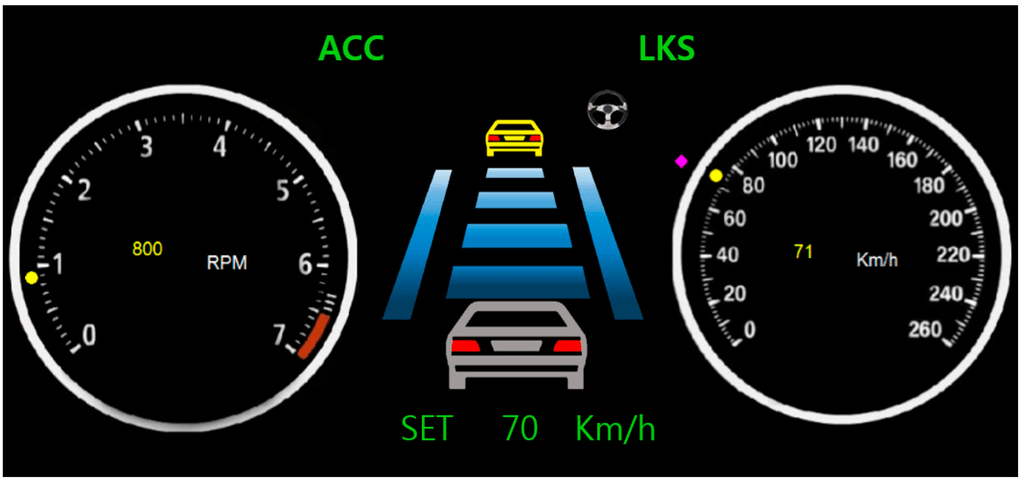
Modern safety and emissions regulations are far stricter than they were even twenty years ago.
Cars must comply with complex crash standards, pedestrian protection requirements, emissions monitoring systems and a growing number of driver assistance mandates.
These regulations genuinely improve safety and environmental performance.
But they also require layers of sensors, control units and software that dramatically increase complexity.
The result is a vehicle that behaves less like a purely mechanical machine and more like a carefully regulated technological system.
Platform Sharing
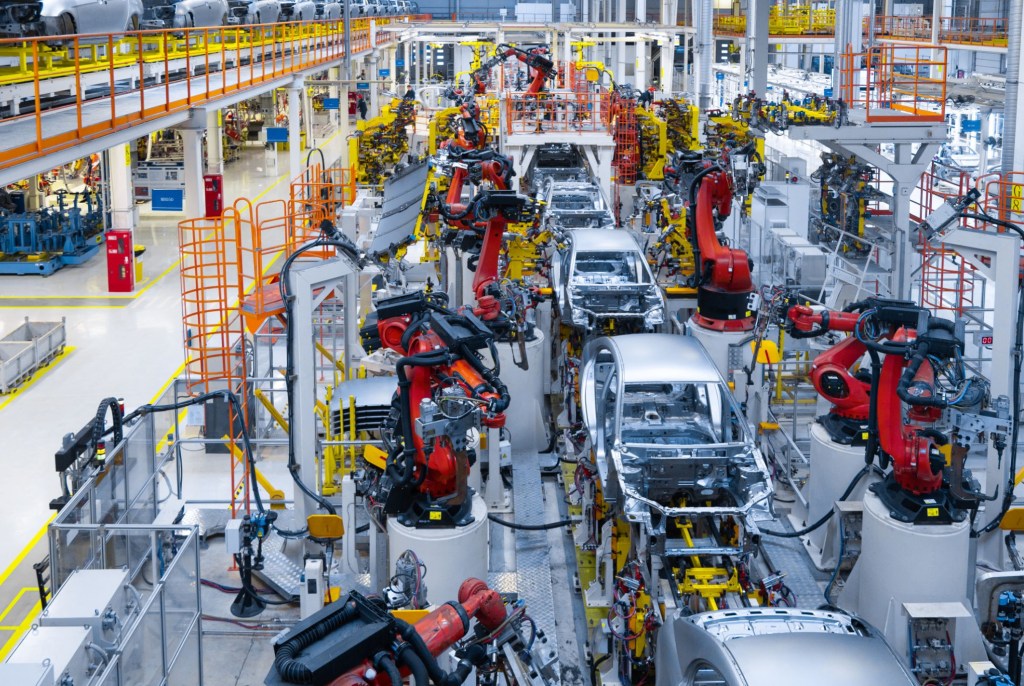
Another major reason for complexity is something the average driver rarely notices: platform sharing.
Modern manufacturers rarely build cars individually anymore. Instead they develop large engineering architectures designed to support multiple models across different brands.
A single platform might underpin a family hatchback, an SUV and a luxury sedan.
To make this possible, many systems must be standardised and digitally controlled. Software allows the same hardware to behave differently depending on the vehicle it’s installed in.
From the manufacturer’s perspective, this approach is extremely efficient.
From the driver’s perspective, it often means the interface between human and machine becomes more complicated.
Touchscreens and digital menus are not always there because they improve usability.
They exist because they simplify manufacturing across dozens of models.
The Software Business Model
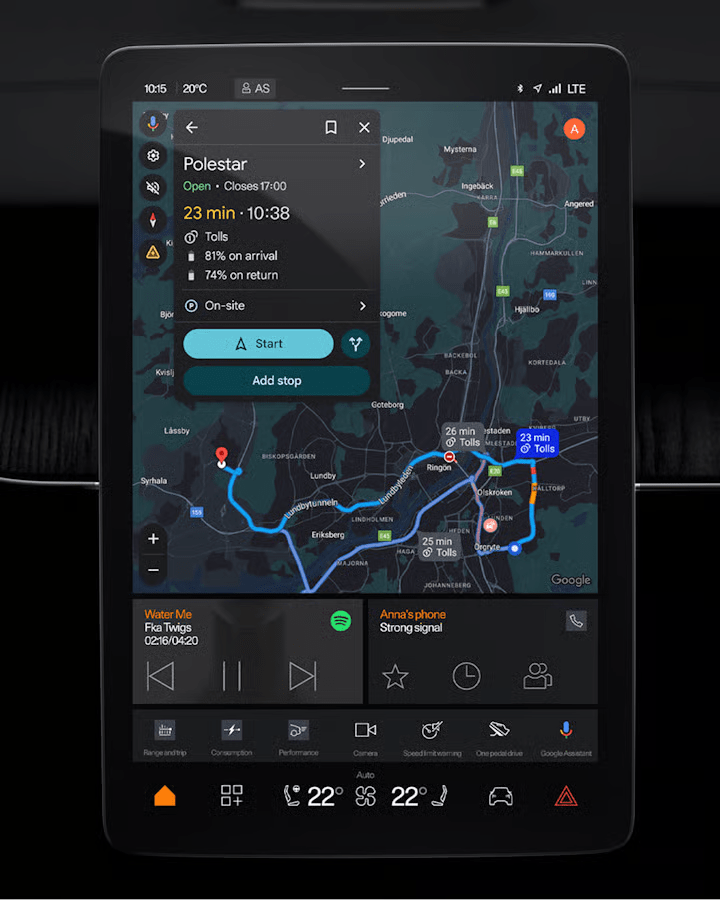
Perhaps the most significant shift of all is the growing importance of software.
Cars are increasingly treated not just as machines but as digital platforms.
Software updates can add new features. Connectivity services generate ongoing revenue. Some manufacturers have even begun experimenting with subscription features for certain functions.
In this environment, the car behaves less like a finished product and more like a technological ecosystem.
And ecosystems thrive on software.
Touchscreens, digital interfaces and connected services are not simply technological choices. They are part of a broader business model that treats the car as an evolving platform rather than a static machine.
What Drivers Lost Along the Way

None of this means modern cars are worse.
In many ways they are far better than anything that came before.
But progress always involves trade-offs.
And one of the quieter trade-offs of the last two decades has been the gradual disappearance of mechanical simplicity.
Cars used to communicate directly with their drivers. Controls were physical. Feedback was immediate. Systems were often easier to understand because they were visible and tangible.
Today much of that interaction happens through software.
The car still performs extraordinary feats of engineering, but the relationship between driver and machine has become more distant.
Instead of mechanical interaction, drivers increasingly manage digital interfaces.
And while many people accept this as normal, it represents a profound shift in how cars are experienced.
Why the Lie Persists
The idea that complexity exists purely for the driver is comforting.
It suggests that every change in modern cars was made with a single goal: improving the driving experience.
But the reality is more complicated.
Cars are shaped by regulation, corporate economics, platform strategy, software ecosystems and marketing decisions.
The driver remains important — but no longer the only priority.
Admitting that openly would make the industry’s narrative far less elegant.
So instead the explanation remains simple.
Cars are complicated because they need to be.
Final Verdict

The automotive industry did not deliberately set out to make cars harder to use.
In many cases, it was simply responding to legitimate pressures: safety requirements, economic realities and technological opportunity.
But the official story — that modern cars became more complex purely to benefit drivers — does not survive careful inspection.
Cars became complicated because the modern automobile serves many masters at once.
Regulators. Engineers. Accountants. Software developers. Marketing departments.
And somewhere in that increasingly crowded design process, the driver quietly stopped being the only person the car was built for.

 UNBUILT GARAGE
Leave a comment