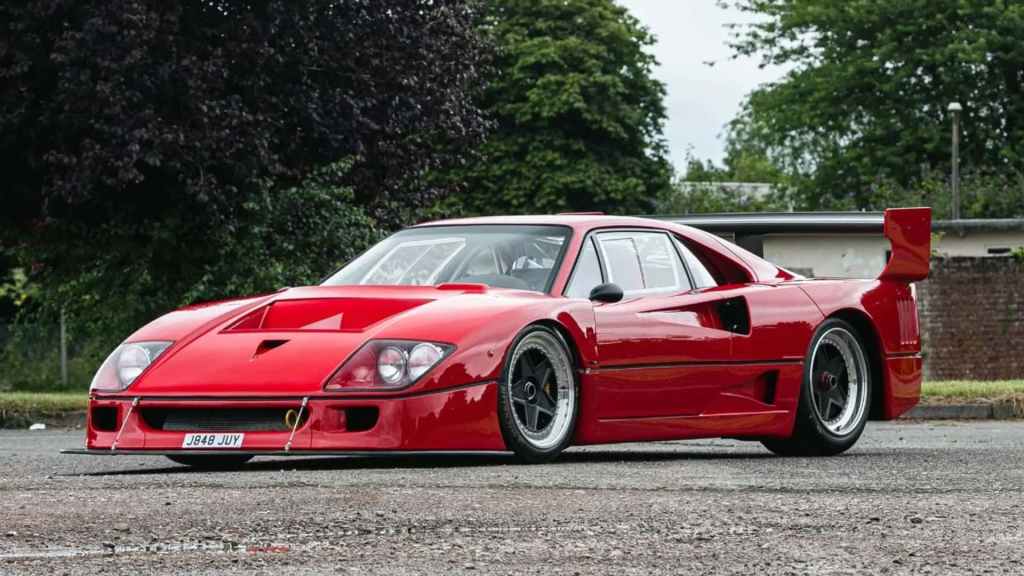
A ranking of cars whose reputations grew larger than the machines themselves.
Introduction
The car world has always loved a legend.
Not simply a good car, but something elevated into mythology — repeated endlessly in documentaries, forums and conversations between enthusiasts who have never actually driven one.
Some cars deserve it. They change engineering thinking, reshape a segment, or reveal a genuinely new idea about what driving can be.
Others become famous for different reasons.
Cinema. Marketing. Nostalgia. Internet culture. Brand prestige.
Over time the story surrounding the car grows larger than the car itself.
And once that happens, questioning the legend feels almost like sacrilege.
But the purpose of criticism — proper criticism — is not to destroy reputations. It is to examine them.
Because when the myth becomes bigger than the machine, the car starts telling us something interesting about the culture that worships it.
This list isn’t about bad cars. Many of these machines are genuinely impressive.
The issue is simpler.
Their reputations suggest something extraordinary.
The reality is merely good.
Ranking Method
This ranking looks at the gap between reputation and reality.
Each car here represents a moment where branding, nostalgia or cultural mythology inflated a vehicle’s standing beyond what the engineering alone justifies.
That doesn’t make them failures.
But it does make them fascinating.
The Ranking
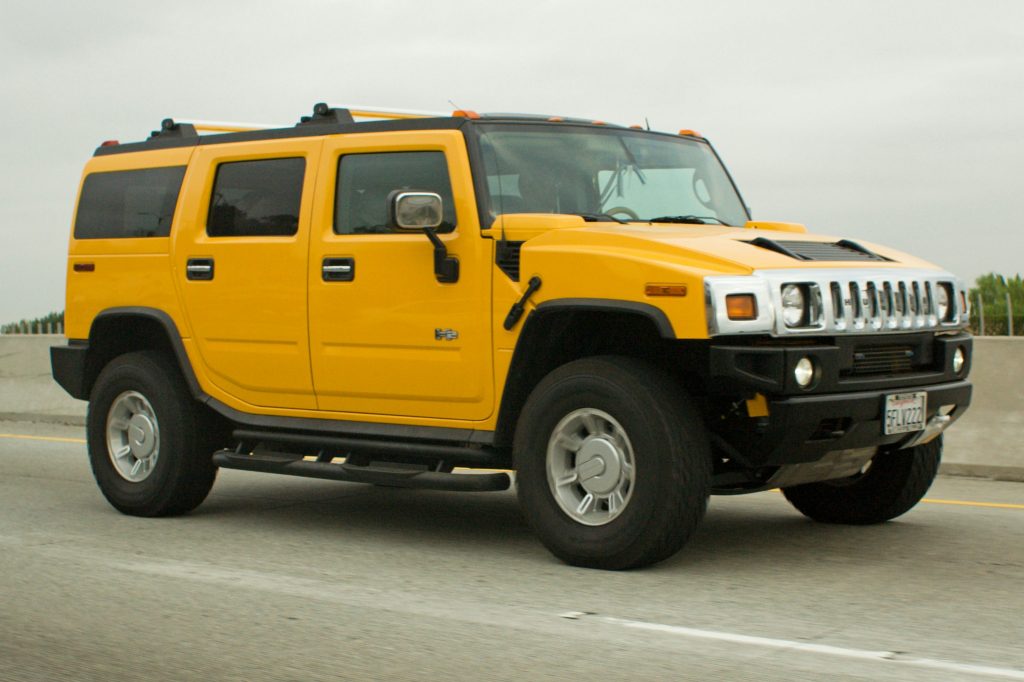
10 — Hummer H2
Context
The early 2000s were an era when automotive excess was not merely tolerated but celebrated. The H2 arrived promising military toughness for suburban driveways — an SUV designed to look unstoppable.
The Problem
Underneath the theatrical bodywork was a fairly conventional GM truck platform. It was large, thirsty and visually intimidating, but its real off-road capability rarely matched the image.
What It Reveals
The H2 taught the industry an important lesson: scale and spectacle sell remarkably well, even when the engineering underneath is surprisingly ordinary.
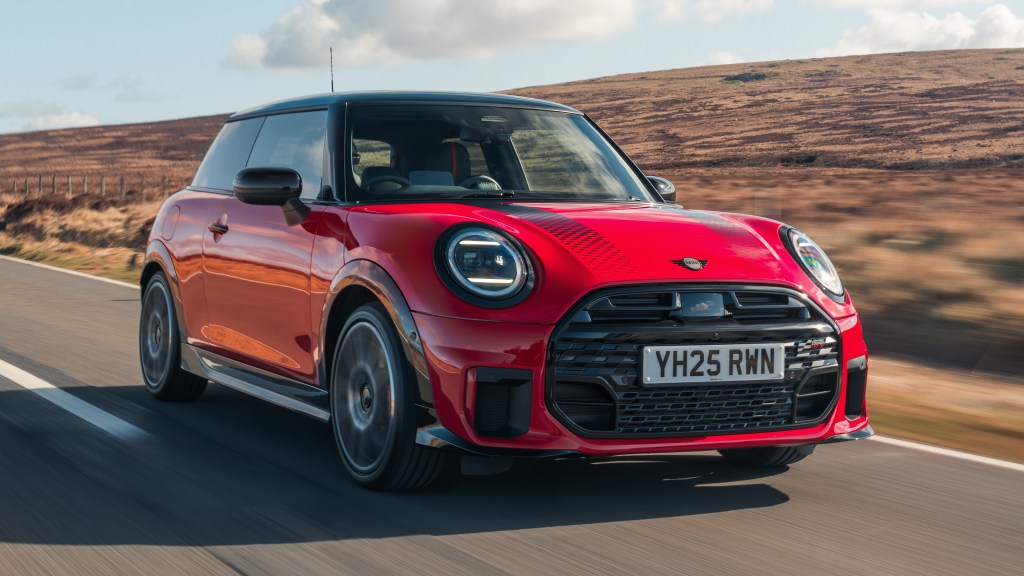
9 — Mini Cooper
Context
When BMW revived the Mini in 2001, it was presented as the rebirth of a beloved British icon — small, playful and engaging to drive.
Why It Worked
Early versions genuinely captured something charming: compact proportions, sharp handling and a design language that felt distinctive in an era of increasingly anonymous hatchbacks.
Where It Drifted
Success turned the Mini into a brand rather than a concept. The cars grew larger, the range multiplied, and the original idea — clever small-car simplicity — slowly disappeared beneath lifestyle marketing.
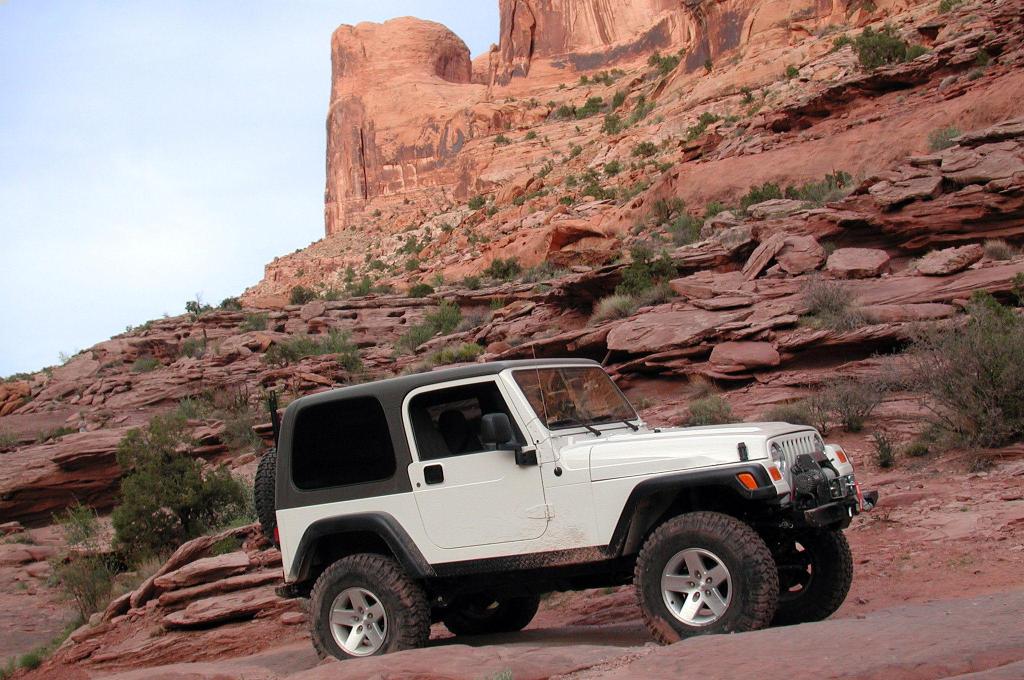
8 — Jeep Wrangler
Context
The Wrangler carries extraordinary historical symbolism. Its lineage traces back to wartime utility vehicles and decades of American off-road culture.
The Reality
As an off-road machine it remains genuinely capable. But as a modern car it is noisy, inefficient and dynamically crude — a vehicle defined more by heritage than progress.
What It Reveals
Sometimes nostalgia becomes powerful enough that evolution stops. The Wrangler is loved not because it improved, but because it refused to.
7 — Range Rover
Context
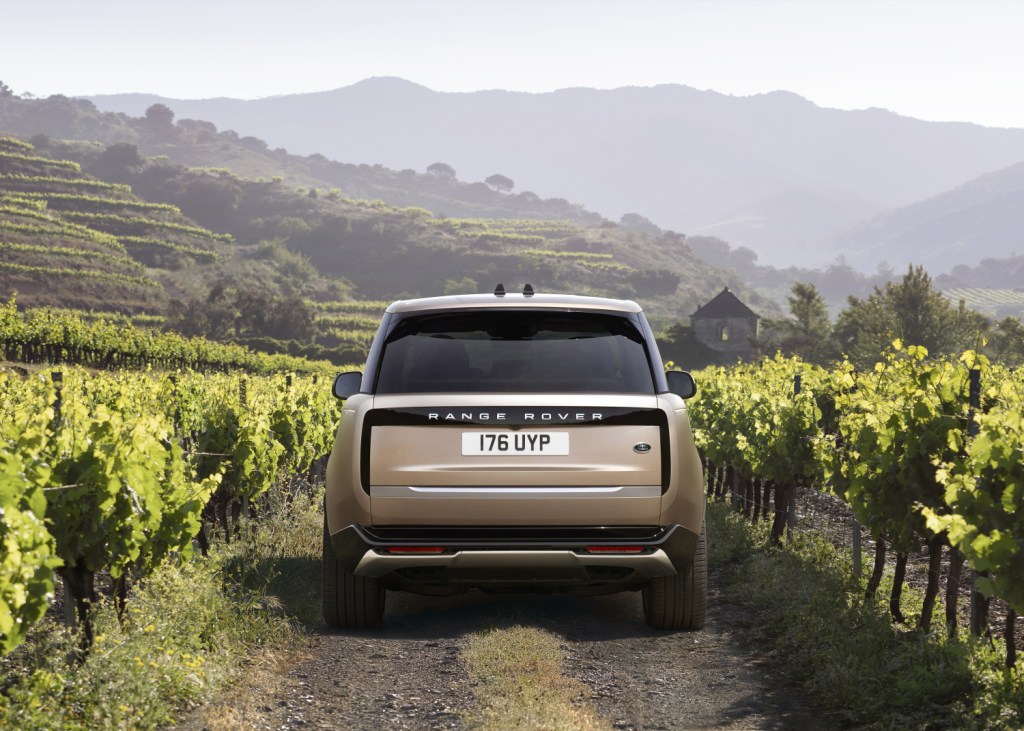
Few vehicles have defined an entire segment as clearly as the Range Rover. When it launched in 1970 it created the idea of the luxury off-road vehicle.
The Complication
Over time the car became less about capability and more about status. Today the reputation often exceeds the ownership experience.
What It Reveals
Prestige has a strange ability to outlive engineering reality.
6 — Lamborghini Urus
Context
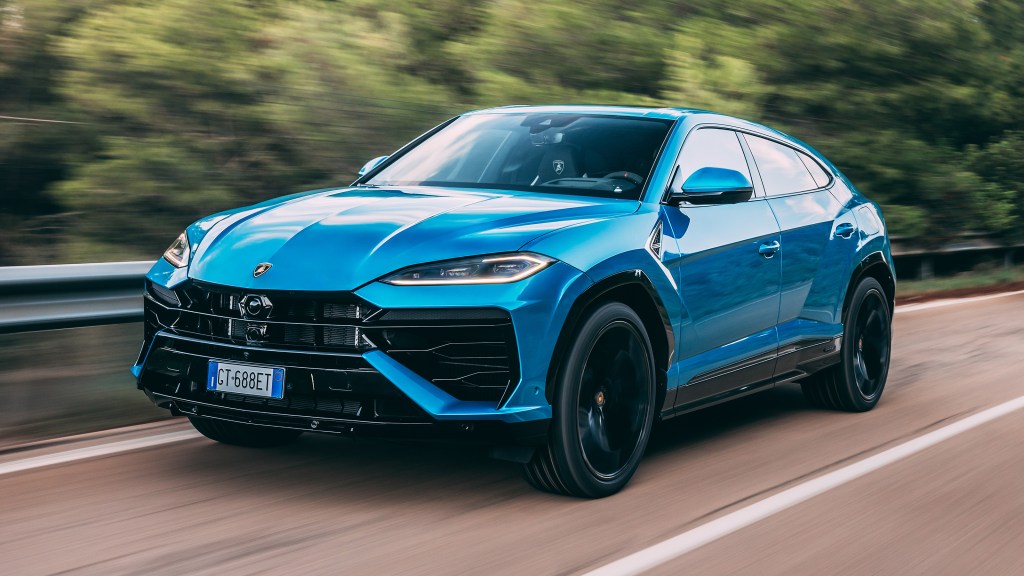
The Urus promised something remarkable: a Lamborghini that could carry families while behaving like a supercar.
The Reality
It is extremely fast and extremely capable — but much of its engineering is shared with other Volkswagen Group SUVs. The sense of uniqueness relies heavily on branding.
What It Reveals
Even exotic performance brands have discovered that SUVs are more profitable than identity.
5 — Tesla Model S
Context
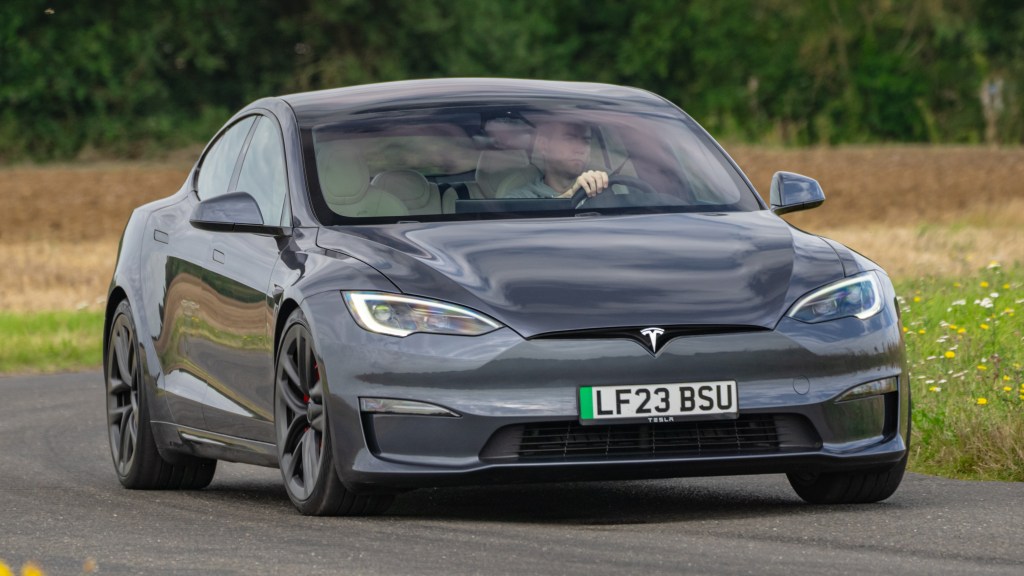
The Model S changed the way the world viewed electric cars. Suddenly EVs were fast, desirable and technologically ambitious.
The Complication
The car’s technological brilliance has always been clearer than its craftsmanship. Interior quality and build consistency rarely matched its luxury reputation.
What It Reveals
Disruption can transform an industry. But disruption alone does not automatically produce perfection.
4 — Ford Mustang
Context
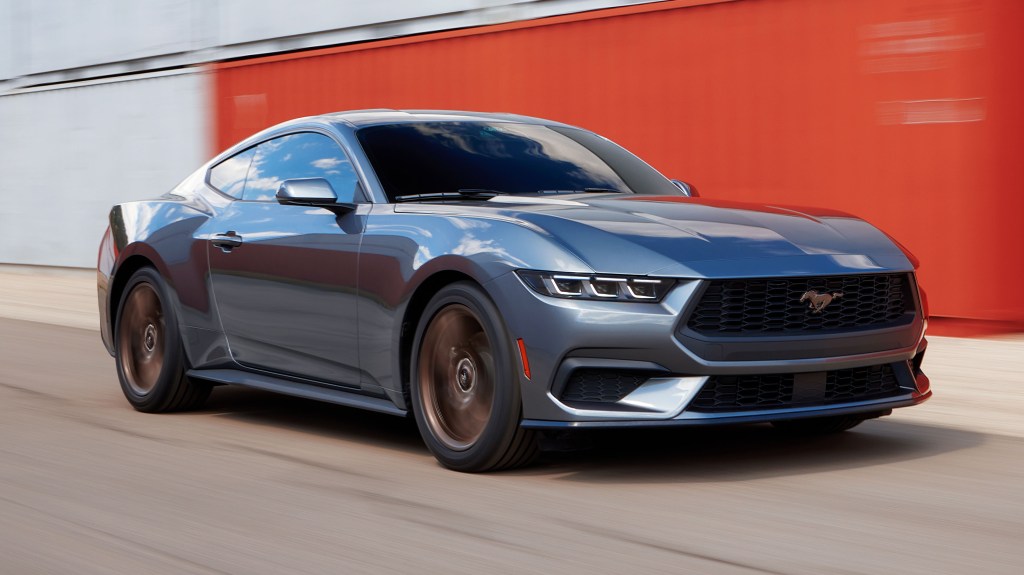
Since 1964 the Mustang has been one of the most recognisable performance cars ever built.
The Problem
For much of its life it was a charismatic grand tourer rather than a precision sports car — a difference its mythology rarely acknowledges.
What It Reveals
Cultural icons often outgrow the engineering that created them.
3 — Nissan GT-R R35
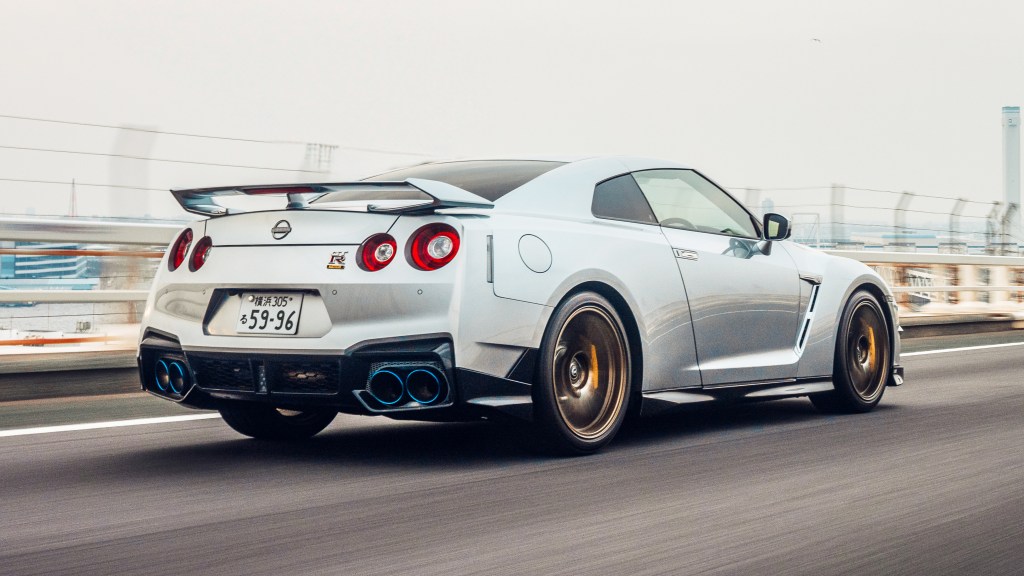
Context
The R35 GT-R shocked the world in 2007. A relatively affordable car humiliating supercars was irresistible.
The Debate
Its performance was extraordinary. But its character became defined by software, computers and algorithms rather than mechanical purity.
What It Reveals
Modern performance increasingly belongs to engineers and programmers rather than drivers.
2 — Toyota Supra Mk4
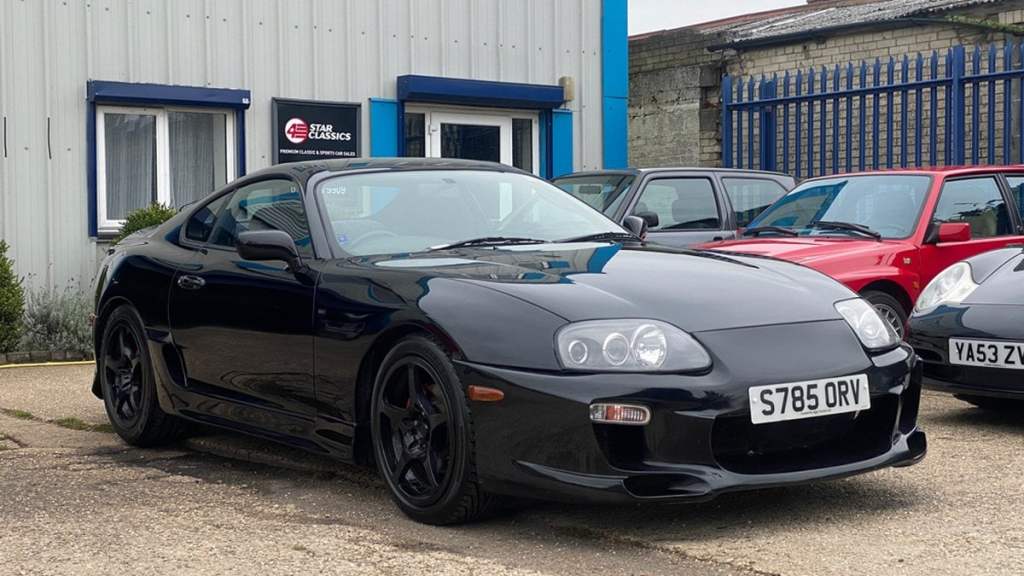
Context
In the 1990s the Supra was simply a powerful Japanese grand tourer.
The Myth
Cinema and internet culture transformed it into an untouchable icon.
The Reality
Brilliant engine. Enormous tuning potential. But also heavy and more GT than sports car.
1 — Mercedes-Benz G-Class

Context
Originally designed as a military vehicle, the G-Class has become one of the most recognisable luxury SUVs in the world.
The Paradox
Its design, inefficiency and stubborn aerodynamics survive largely because they have become part of the legend.
What It Reveals
Authenticity has become a luxury product.
Final Verdict
None of these cars are disasters.
Many are impressive machines.
But reputation has a curious habit of expanding until the story becomes larger than the engineering.
And once the myth takes hold, the automotive world stops asking whether the legend still makes sense.
It simply keeps repeating it.


Leave a Reply