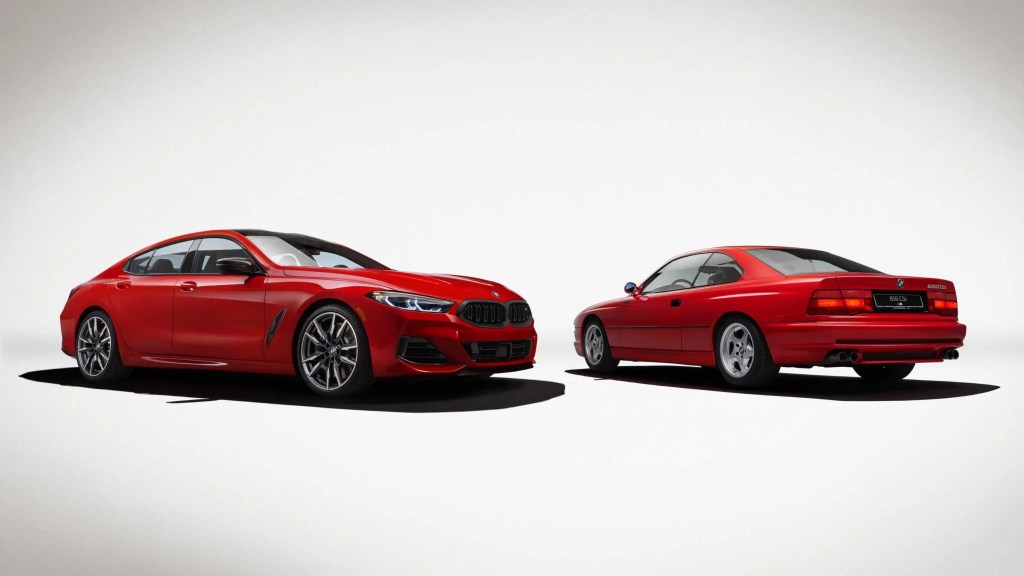
The industry did not lose talent, funding or technology — it lost nerve.
Cars Used to Be Cooler. What Happened? Not because we grew up. Not because we romanticise rust. And not because modern engineering is inferior.
They used to be cooler because they were built around obsession. Now they are built around optimisation.
By the third paragraph of any brochure today you will find the words seamless, intuitive and connected. Twenty years ago you would have found balanced, rev-happy and rear-biased. That shift tells you everything.
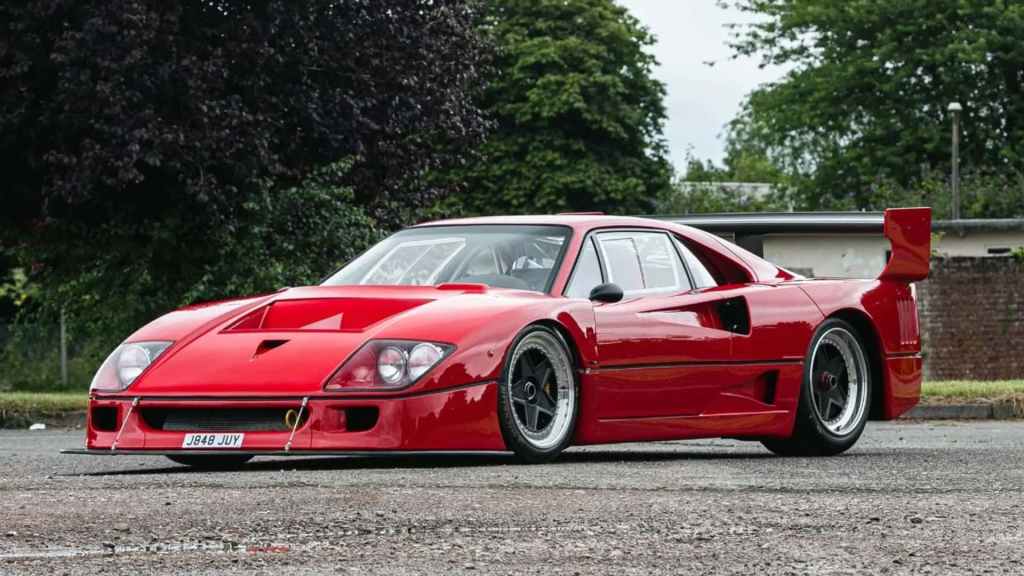
This is not about one imaginary model circulating online. It is about a recurring speculative idea that keeps gaining traction in enthusiast circles: a return to a simpler, sharper, more mechanical era. The concept images are always illustrative. Clean lines. Thinner pillars. Real buttons. A manual gear lever standing unapologetically in the centre.
The fascination isn’t nostalgia. It’s fatigue.
Brand DNA vs Risk Aversion
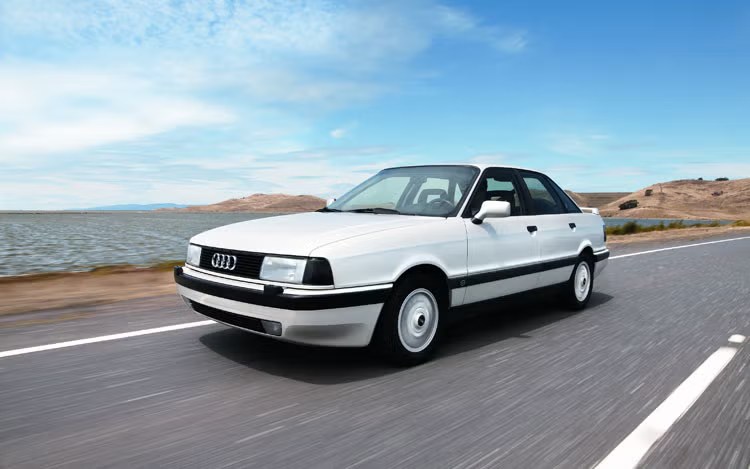
Cool used to come from risk.
Manufacturers once built cars that made limited financial sense but enormous emotional sense. High-revving engines with narrow torque bands. Rear-wheel-drive family saloons. Coupés with barely usable rear seats. They were irrational.
And therefore desirable.
Today, global consolidation and shared architectures have standardised behaviour. A modular platform must underpin hatchbacks, crossovers and saloons across multiple continents. Engines are tuned for emissions cycles before excitement. Suspension geometry is compromised for ride comfort, tyre longevity and liability exposure.
This is intelligent engineering.
It is not charismatic engineering.
When every car must satisfy every market simultaneously, individuality is filtered out. You cannot offend, surprise or polarise on a global platform. And without the possibility of polarisation, cool becomes statistically improbable.
Design: The Death of Negative Space
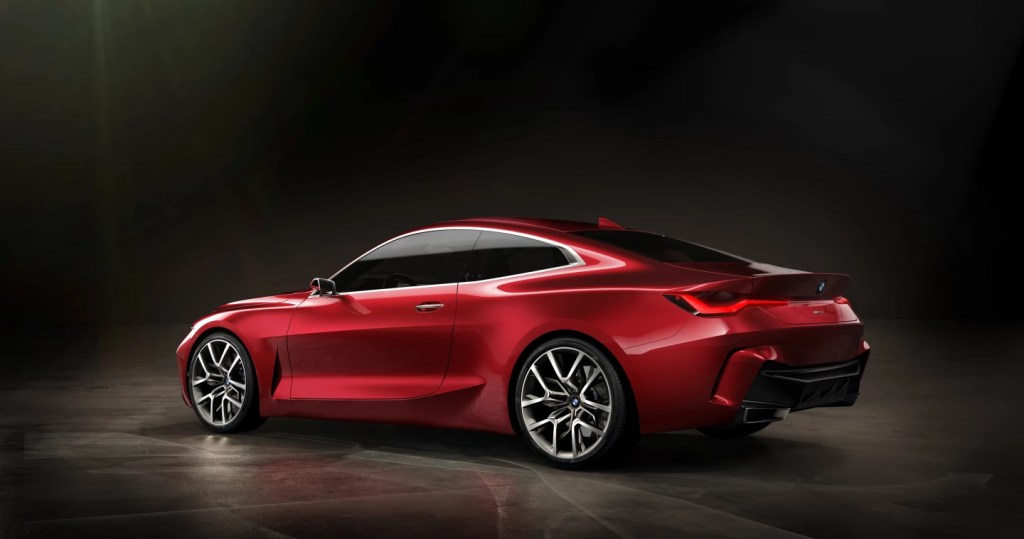
Older cars understood restraint. A flat body panel. A simple crease. Proportion doing the heavy lifting.
Modern cars are sculpted within an inch of their lives. Every surface must catch light. Every grille must be enormous to justify presence. Air intakes multiply, often decorative, because aggression sells in static images.
The reason is simple: cars are now consumed primarily through screens.
Designers are no longer competing for impact on a winding road; they are competing for attention in a thumbnail. Strong DRL signatures, oversized wheels and exaggerated stance photograph well.
But cool is not photogenic theatre. It is coherence.
When every panel shouts, nothing speaks.
Interior Philosophy: Software Ate the Dashboard
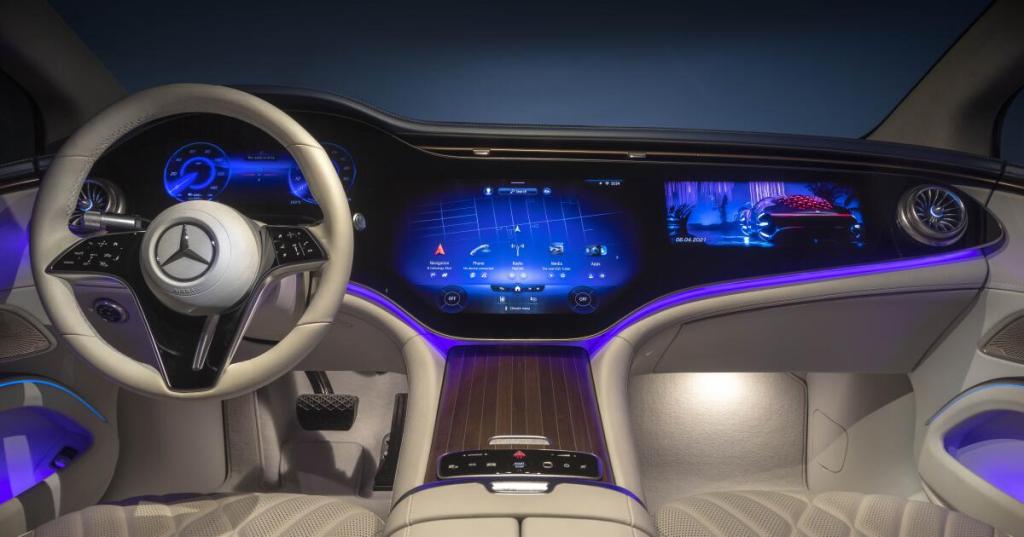
There was a time when sitting inside a performance car meant aligning yourself with a machine. The driver’s seat slightly canted. The gear lever close to hand. Physical switches arranged by frequency of use rather than aesthetic minimalism.
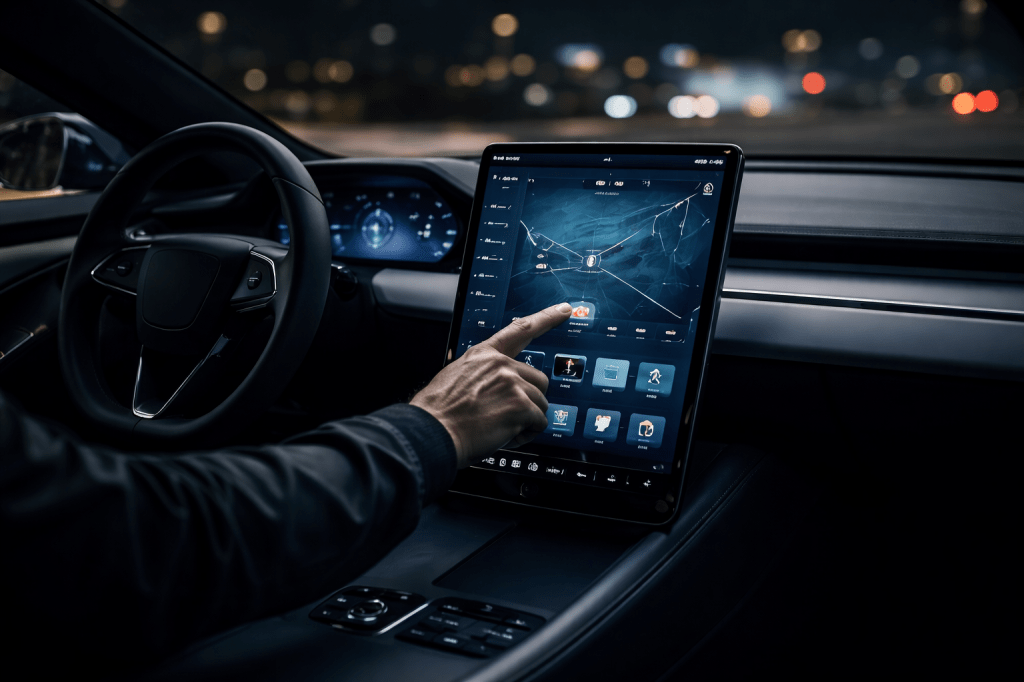
Now the interior brief reads differently: reduce component count, centralise functions, maximise screen size.
Touchscreens are efficient from a manufacturing perspective. They eliminate dozens of bespoke parts. They simplify assembly. They allow updates without hardware changes.
They also remove muscle memory.
A physical climate control dial can be adjusted without looking. A capacitive slider demands visual confirmation. The more features migrate into software layers, the more the driving experience becomes an exercise in menu navigation.
Software is flexible. Cool is tactile.
And tactile design does not scale as neatly on a global production line.
Sound, Speed and the Illusion of Drama
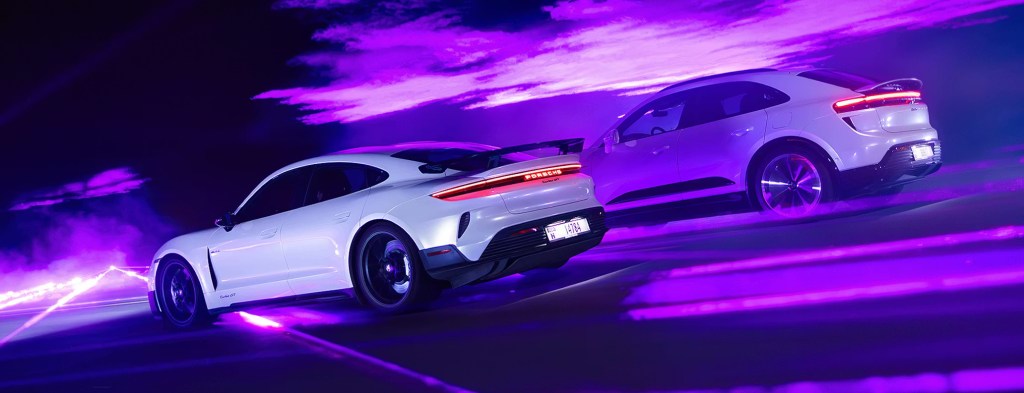
Modern performance metrics are extraordinary. Family SUVs accelerate to 60 mph faster than sports cars of the early 2000s. Electric drivetrains deliver instant torque with clinical precision.
The problem is not capability. It is theatre.
Older engines built drama through effort. You had to chase the redline. You had to select the correct gear. You had to commit. The reward was sound, vibration and mechanical crescendo.
Today, performance is compressed into a silent surge. Numbers improve. Sensation flattens.
The acceleration is undeniable. The memory of it is faint.
Cool is not about being the fastest in a spreadsheet comparison. It is about the way a machine builds anticipation. When everything is effortless, anticipation disappears.
The Economics of Safe Decisions
The uncomfortable truth is that cool cars were often poor business decisions.
They sold in modest volumes. They required bespoke engineering. They appealed to narrow demographics. Many were discontinued quickly.
Modern automotive strategy is guided by shareholder expectation and regulatory compliance. Return on investment must be demonstrable across global markets. Platforms must serve multiple body styles. Development cycles must be predictable.
In this environment, deviation is expensive.
So brands refine instead of reinvent. They facelift instead of rethink. They prioritise crossovers because crossovers sell.
It is rational.
Rational rarely produces cult status.
Final Verdict
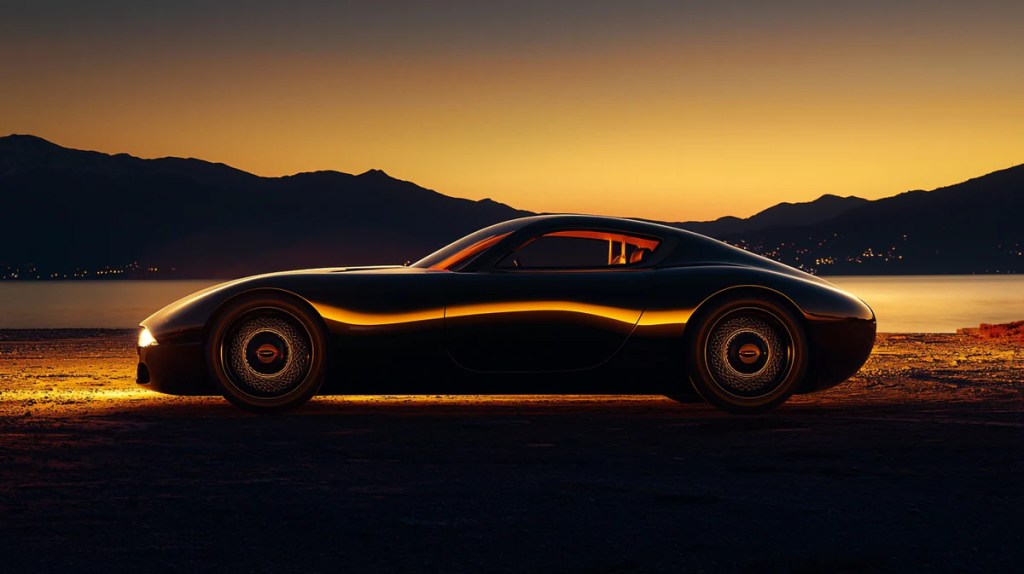
Cars Used to Be Cooler because they were shaped by conviction rather than consensus. They were allowed to prioritise feel over universality, sound over silence, identity over optimisation.
Modern cars are extraordinary achievements of engineering discipline. They are safer, quicker and more efficient than anything before them.
But coolness is not a by-product of discipline. It is the result of deliberate imperfection.
The industry did not forget how to build cool cars.
 UNBUILT GARAGE
Leave a comment