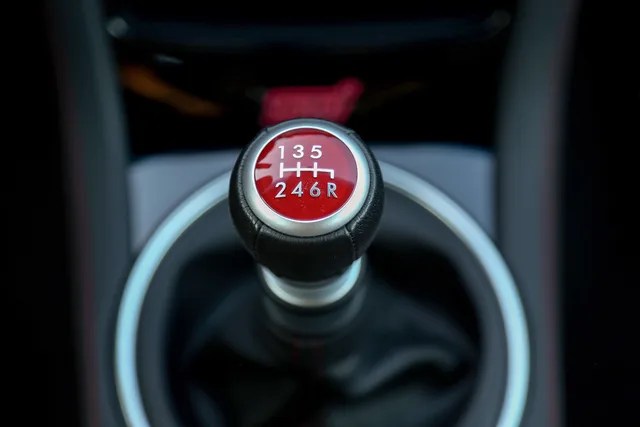
A recurring “Save the Manual” revival keeps circulating online — and it misunderstands why three pedals are actually fading away.
Manual gearboxes are not disappearing because manufacturers have lost their nerve.
They are disappearing because the market has already made its choice.
By the time you reach the third paragraph of any discussion about why manual gearboxes are disappearing, someone will blame regulators, electric cars, corporate greed or “soulless engineers.” It makes for a satisfying villain.
It is also wrong.
The truth is simpler and far less romantic: when buyers are given the option, most of them choose automatic. Every time. The outrage exists online. The purchasing behaviour does not.
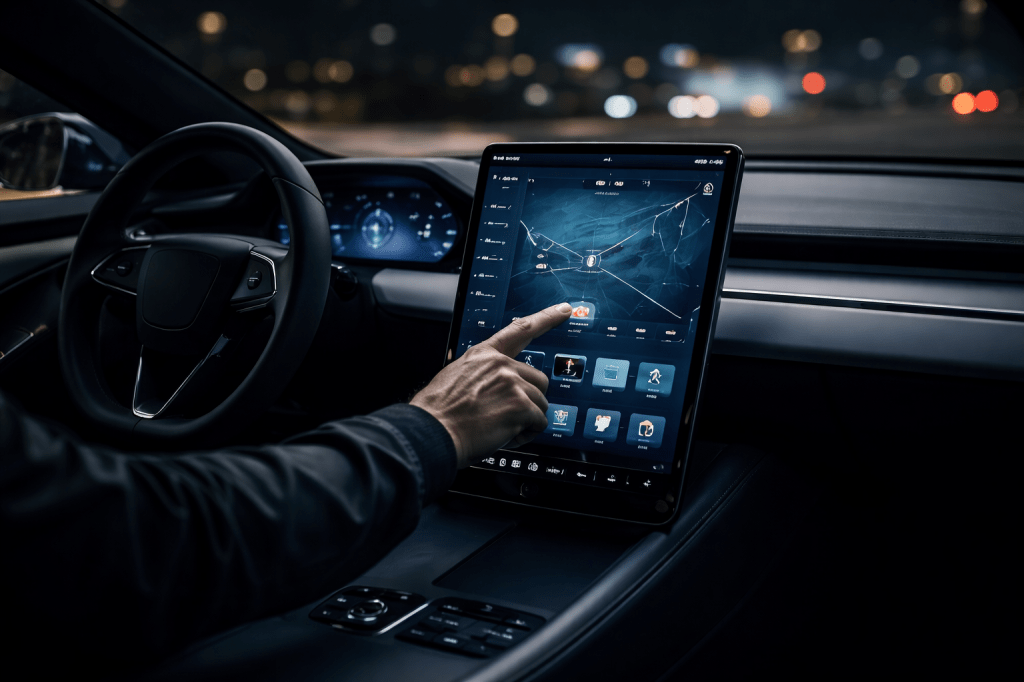
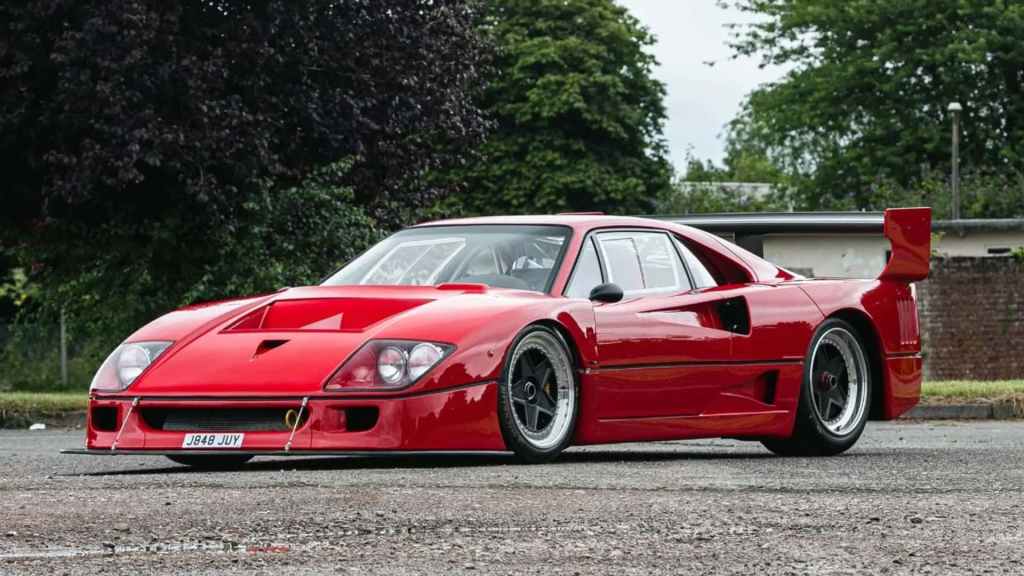
The latest wave of speculative “Manual Revival” concepts — stripped-back sports cars with exposed metal shifters and marketing language about “pure engagement” — are spreading across forums again. Beautiful illustrative images. Breathless comment sections. Earnest declarations that driving is being “saved.”
None of it addresses the central issue.
Manual gearboxes are disappearing because they no longer make commercial sense.
Manual Gearboxes Are Disappearing Because the Technology Moved On
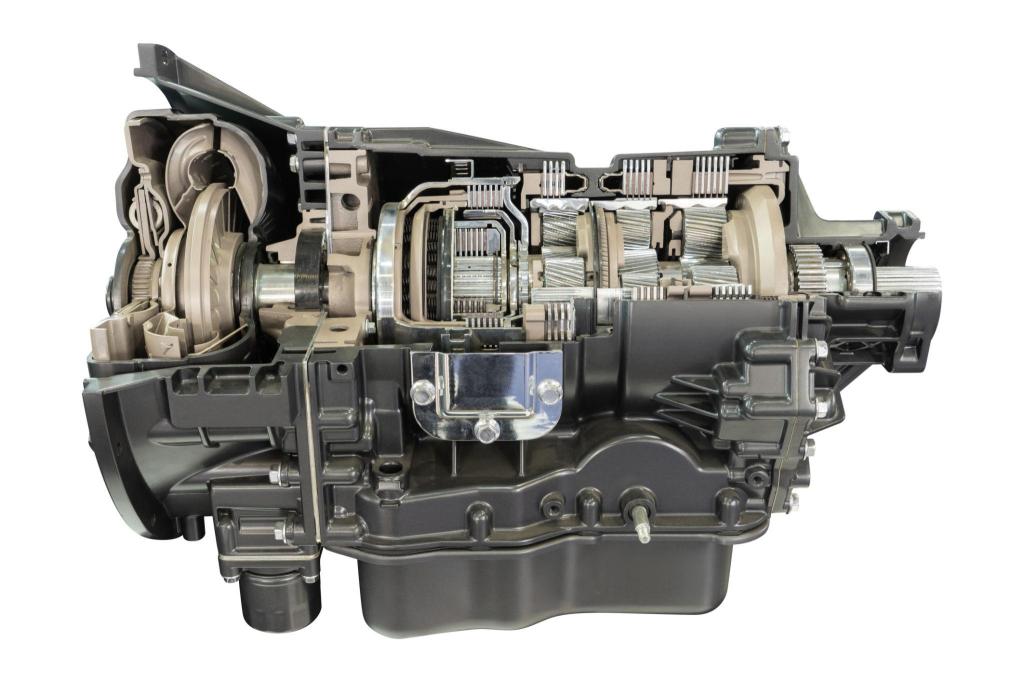
There was a time when an automatic gearbox was a mechanical compromise.
It was slower. It was less efficient. It blunted performance. It dulled involvement.
That time has passed.
Modern dual-clutch systems and advanced torque-converter automatics shift faster than any human can operate a clutch. They optimise fuel efficiency. They reduce emissions during certification cycles. They produce better acceleration figures and lower warranty claims.
From a manufacturer’s perspective, the argument is already over.
A manual gearbox today is not the performance choice. It is the sentimental one.
And sentiment does not drive development budgets.
The Economics Nobody Likes to Mention
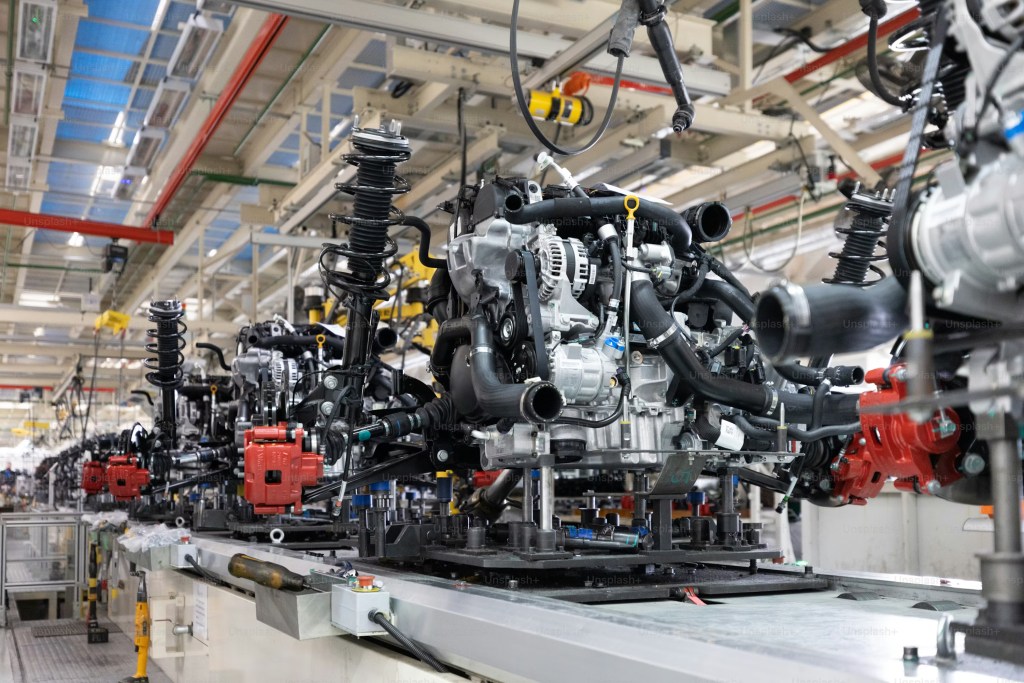
Developing and certifying a manual variant is not as simple as bolting on a different gearbox.
It requires separate calibration. Separate emissions testing. Additional homologation work in multiple markets. Different clutch durability validation. Revised software for driver assistance integration. Sometimes even structural packaging adjustments.
All of that costs money.
Now consider the take rates.
In many global markets, manual transmission sales account for single-digit percentages in performance cars. In mainstream vehicles, the numbers are even lower in developed markets.
So the business case becomes stark:
Spend millions to satisfy a tiny minority — or focus development on what 90 percent of buyers actually choose.
Manufacturers are not eliminating manuals out of spite. They are eliminating them because spreadsheets demand it.
And spreadsheets do not care about nostalgia.
The Engagement Argument
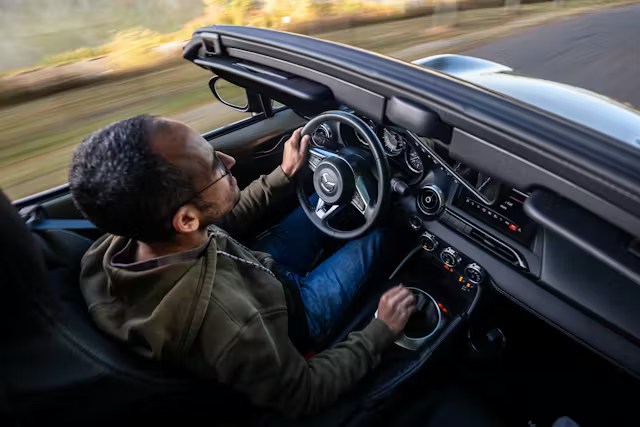
The emotional defence of the manual gearbox is built around one word: engagement.
Three pedals. Mechanical connection. The choreography of clutch and throttle. The satisfaction of getting it exactly right.
There is truth in that.
A manual gearbox demands participation. It rewards skill. It turns driving into an activity rather than a task.
But here is the uncomfortable counterpoint: most buyers do not want driving to be an activity every single time they get in the car.
They want convenience in traffic. They want smoothness. They want consistency. They want their partner to drive it without stalling it. They want the fastest version of the car they can afford.
And modern automatics deliver all of that.
The manual gearbox is beloved by enthusiasts precisely because it requires effort.
The broader market prefers effortlessness.
The Regulatory Squeeze
There is also a structural reality working against manuals.
Emissions regulations are increasingly strict and increasingly precise. Manufacturers are fined for exceeding fleet-average targets measured in grams of CO₂ per kilometre.
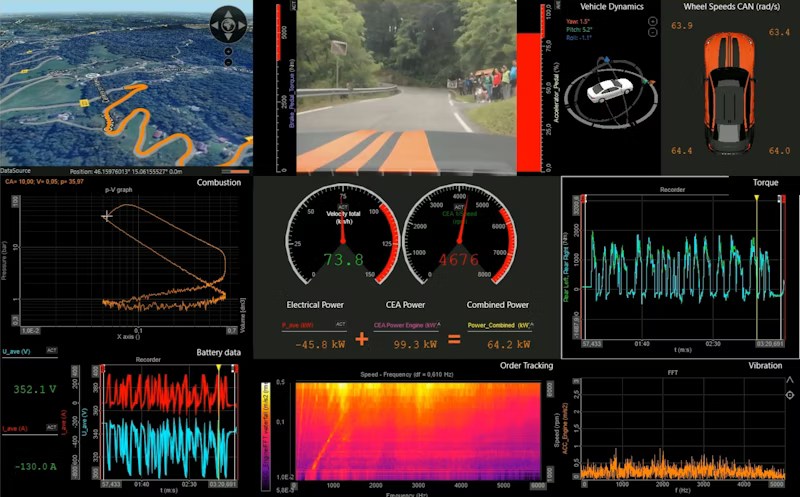
Automatic gearboxes — especially dual-clutch and modern torque-converter units — are optimised for these test cycles. They shift at the most efficient points. They eliminate variability. They maximise consistency.
A manual gearbox introduces human unpredictability.
In a regulatory environment measured down to decimal places, unpredictability is not welcome.
Even if the performance difference is small, the certification margin matters.
And when multiplied across thousands of vehicles, small differences become financial consequences.
The Illusion of the “Silent Majority”
Every time a manufacturer drops a manual option, comment sections erupt.
“Big mistake.”
“They’ve lost their soul.”
“No one asked for this.”
And yet when limited manual-only special editions are offered, they rarely outsell their automatic counterparts. Even in enthusiast segments.
The idea that there is a vast, silent majority waiting to reward brands for preserving manual gearboxes is comforting.
It is not supported by sales data.
Enthusiasts are passionate. They are vocal. But they are not the market.
Manufacturers build cars for customers who sign contracts, not customers who post comments.
The Electric Horizon
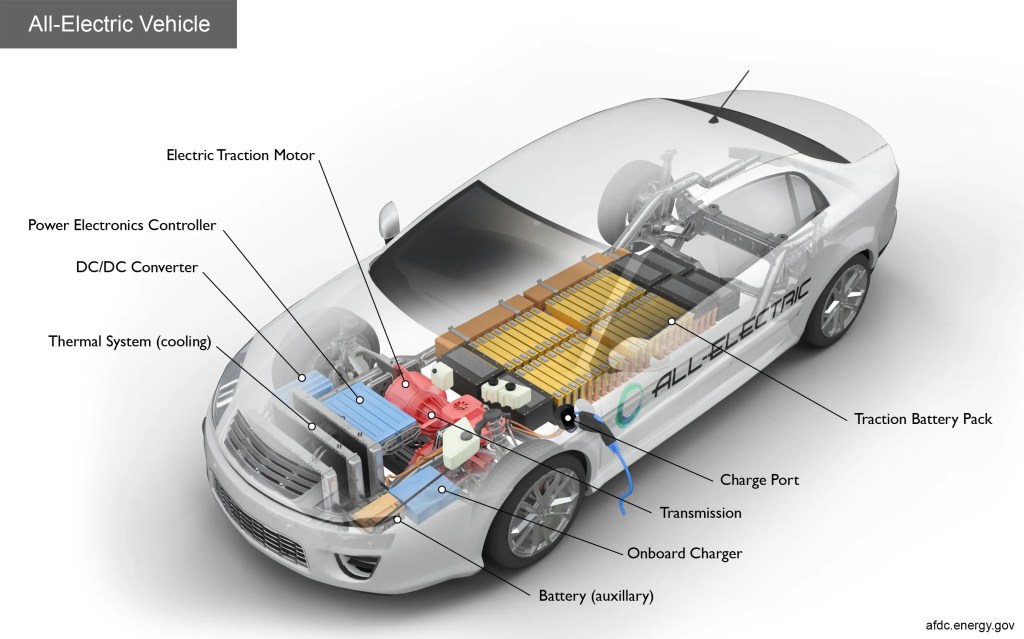
There is another force accelerating the disappearance of manual gearboxes.
Electrification.
Electric powertrains do not require multi-speed transmissions in the traditional sense. The torque delivery characteristics eliminate the need for clutch modulation.
You can simulate a manual gearbox in software. Some manufacturers are experimenting with exactly that.
But a simulated manual is theatre.
And theatre without necessity tends to fade once the novelty wears off.
As the industry transitions toward electrification, the manual gearbox faces not just economic pressure but technological redundancy.
It is not being replaced out of cruelty.
It is being replaced because its mechanical function is no longer required.
Final Verdict
Manual gearboxes are disappearing because the world that made them essential has moved on.
They are not victims of conspiracy. They are casualties of progress, regulation and consumer preference aligning in the same direction.
The three-pedal era is not being killed.
It is being outvoted.
And the ballot was cast at the dealership.
 UNBUILT GARAGE
Leave a comment