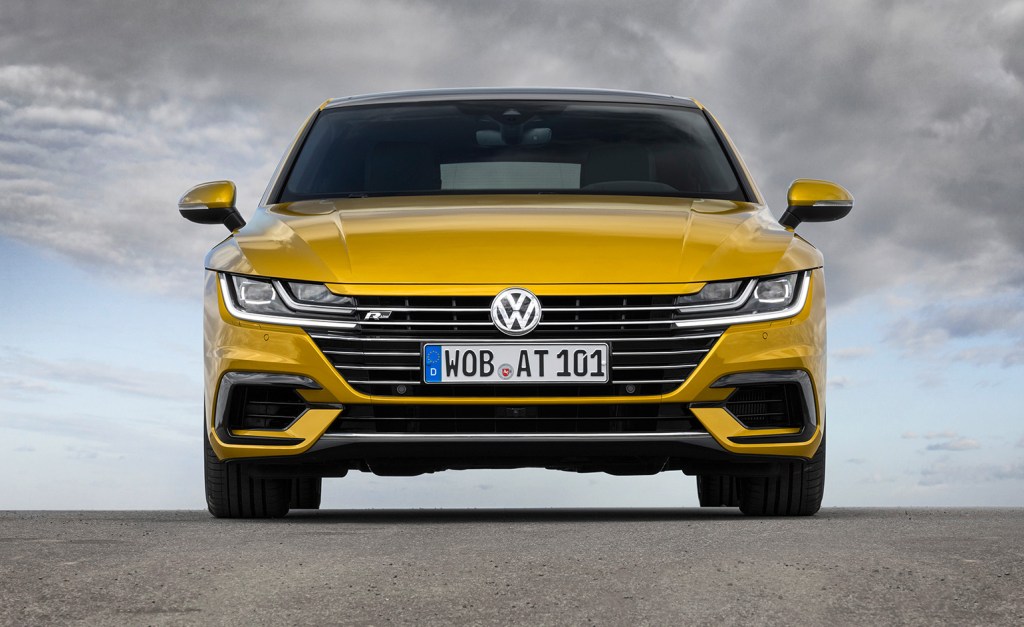
Cars don’t disappear because they were bad — they disappear because everyone quietly agreed to stop caring.
Introduction
The car industry doesn’t kill ideas outright anymore. It simply moves on.
That’s a subtle but important distinction. The great casualties of modern automotive history are no longer the spectacular failures — the bankruptcies, the disasters, the punchlines. Those at least earn a place in memory. The more interesting phenomenon is quieter: cars that launched surrounded by confidence, promise and narrative weight, only to fade into a kind of collective amnesia. Not hated. Not beloved. Just… gone from the conversation.
And that silence is revealing.
Because these cars were never supposed to be background noise. Each arrived carrying a larger meaning. A brand reboot. A philosophical shift. A challenge to established rules. Journalists wrote about turning points. Executives talked about new directions. Enthusiasts convinced themselves something fundamental was changing. For a moment, the industry felt fluid again — as if alternative futures were genuinely possible.
Then the momentum collapsed.
Sometimes it was corporate hesitation. Sometimes market panic. Sometimes the simple realisation that bold ideas are harder to sustain than to launch. What matters is that the industry rarely doubled down. Instead, it absorbed the surface-level lessons — styling cues, marketing language, segment positioning — while quietly abandoning the deeper intent that made these cars interesting in the first place.
Today, the landscape feels increasingly homogeneous: similar silhouettes, similar strategies, similar risk avoidance wearing different badges. Looking back at the cars we briefly believed mattered shows a pattern of excitement without follow-through. These weren’t failures in the traditional sense. Most were competent, some were excellent. But the ideas behind them never matured into movements.
This ranking exists to examine that collapse of momentum. Not to romanticise forgotten machines, but to question why the industry keeps flirting with change without committing to it.
Because the cars we forget tell us more about automotive culture than the cars we remember.
Ranking Method
This ranking isn’t about performance figures, sales charts, or internet nostalgia. It judges cars by the scale of their early promise, the clarity of the idea they represented, and how quickly the surrounding momentum vanished. The higher the ranking, the more clearly the car exposes a recurring industry pattern: excitement without conviction.
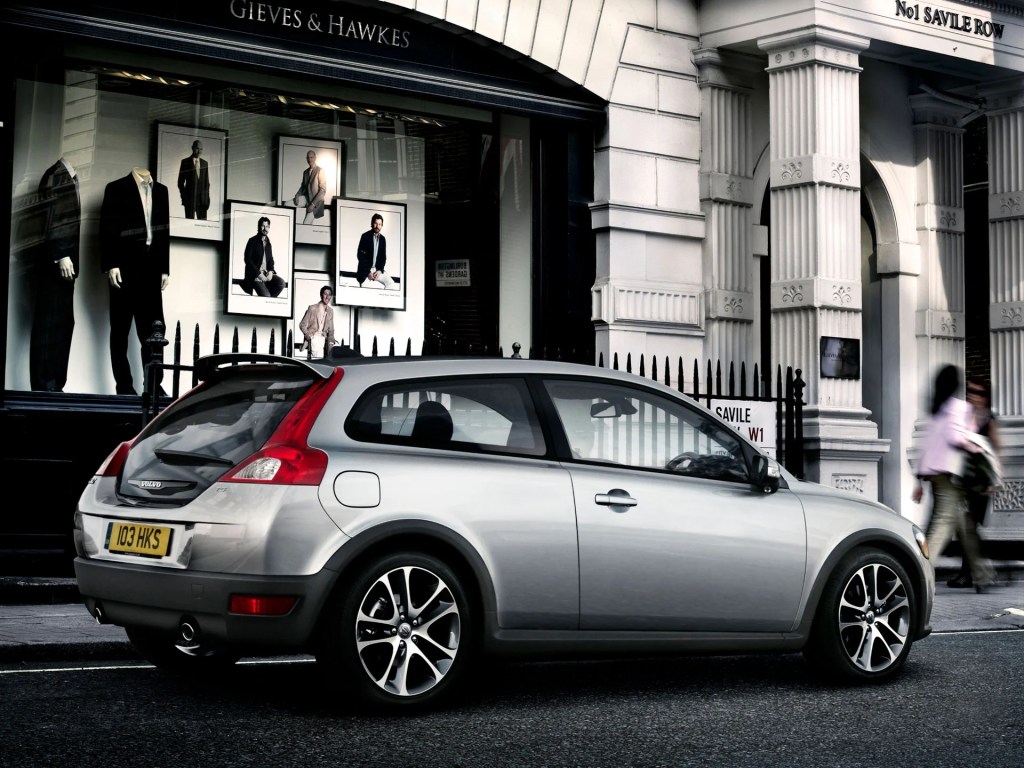
10 — Volvo C30
Context
The C30 arrived as a rare attempt by Volvo to inject personality into its image. Compact, unconventional and deliberately youthful, it was positioned as a different kind of premium hatchback.
Why It Mattered
It suggested Volvo might pursue emotional design rather than pure rationality. The brand briefly felt unpredictable — a dangerous and exciting thing for a traditionally cautious manufacturer.
Why the Momentum Collapsed
The experiment never evolved into a wider philosophy. As safety-focused Scandinavian minimalism became the core brand identity again, the C30’s playful energy felt isolated.
What the Industry Lost
A reminder that premium brands can show character without abandoning credibility. Instead, unpredictability was quietly archived.
9 — Infiniti Q50

Context
Infiniti launched the Q50 as a serious global challenger to German dominance. It arrived with confidence, technology-heavy messaging and genuine ambition.
Why It Mattered
For a moment it looked like a new premium hierarchy might emerge. The idea of a Japanese luxury brand breaking the established order felt plausible.
Why the Momentum Collapsed
Execution lacked emotional clarity, and brand identity drifted. Without a strong narrative, early excitement dissolved into indifference.
What the Industry Lost
Competition that might have forced the premium segment to evolve faster. Instead, the status quo remained comfortably intact.
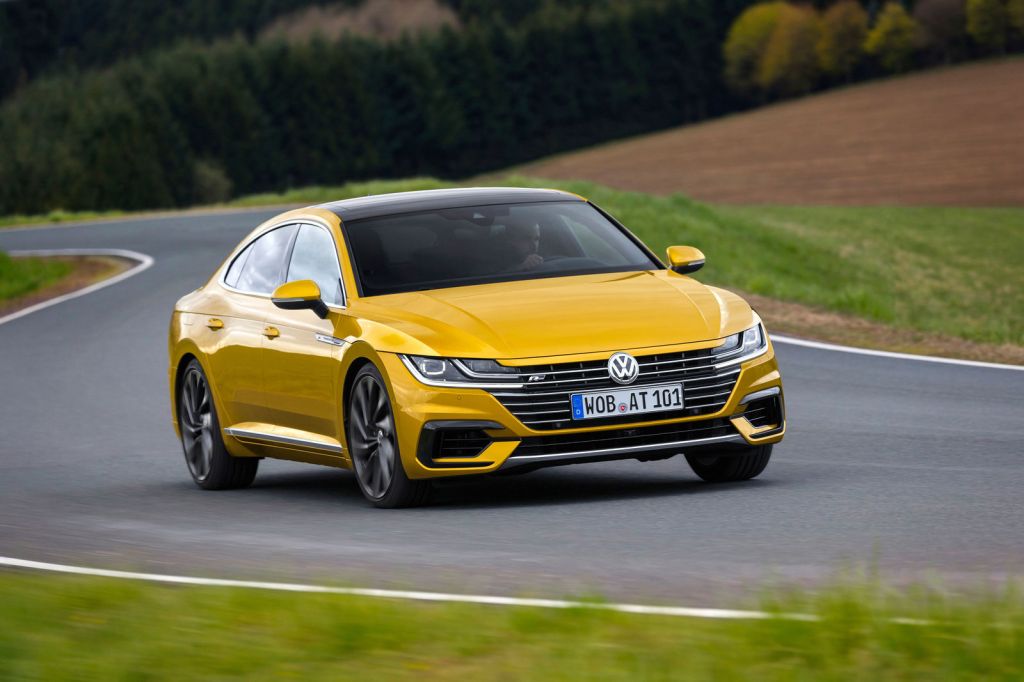
8 — Volkswagen Arteon
Context
The Arteon appeared as Volkswagen’s design-led statement — sleek, restrained and surprisingly elegant for a mainstream badge.
Why It Mattered
It hinted that mass-market brands could pursue sophistication beyond practicality. Style briefly took precedence over pure utility.
Why the Momentum Collapsed
SUV dominance made refined fastbacks feel strategically irrelevant. Volkswagen never positioned the Arteon as a philosophy — just a product.
What the Industry Lost
The idea that quiet elegance could survive in a market obsessed with height, aggression and perceived practicality.
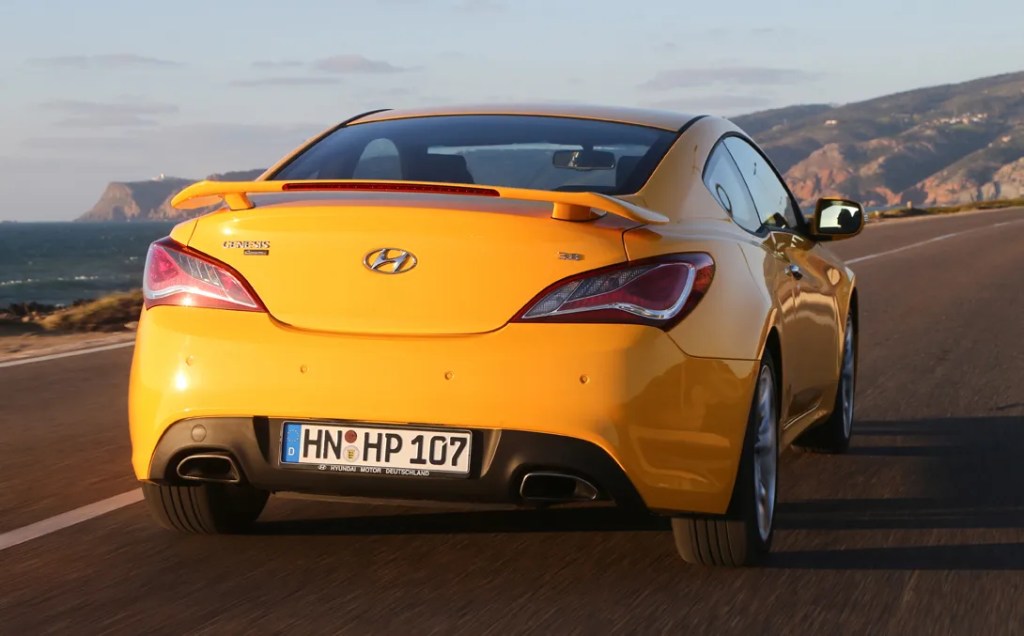
7 — Hyundai Genesis Coupe
Context
When it arrived, the Genesis Coupe represented Hyundai’s first genuine attempt at enthusiast credibility — rear-wheel drive, bold styling, serious intent.
Why It Mattered
It signalled a brand willing to step outside value-led comfort zones. For a moment, Hyundai felt ambitious rather than sensible.
Why the Momentum Collapsed
The company chose a different path, pivoting toward broader mainstream success instead of doubling down on enthusiast identity.
What the Industry Lost
An alternate timeline where major mainstream brands competed seriously in affordable performance rather than abandoning the idea entirely.
6 — Chrysler 300C
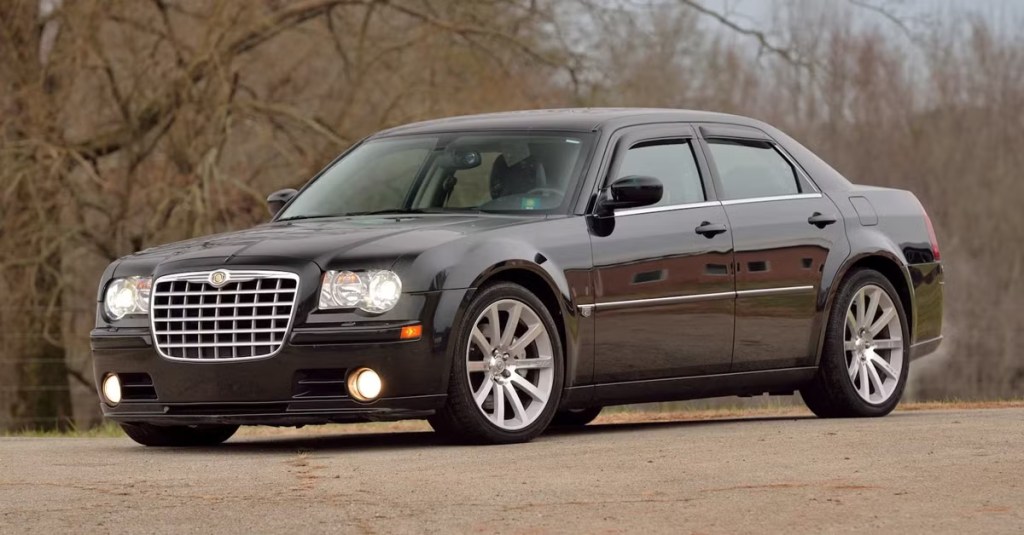
Context
Big, unapologetic and visually distinct, the 300C challenged European conservatism with American swagger.
Why It Mattered
It proved personality could still define a luxury-adjacent car. The design language rejected subtlety at a time when subtlety was becoming mandatory.
Why the Momentum Collapsed
Global tastes converged toward safer, more neutral styling. What once felt bold quickly became unfashionable.
What the Industry Lost
The acceptance that luxury can be loud, strange and culturally specific instead of globally sanitised.
5 — Nissan 370Z
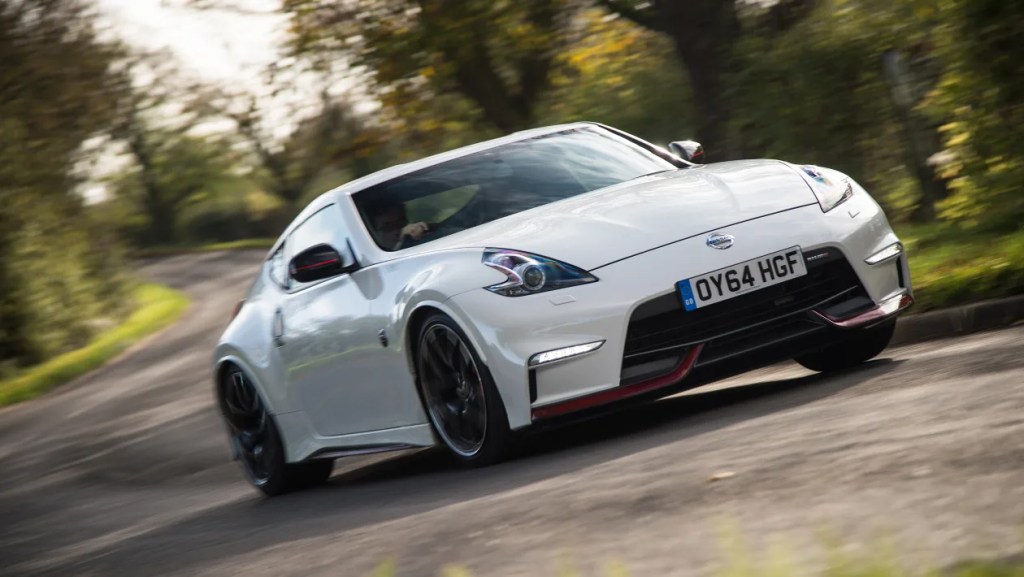
Context
The 370Z inherited a proud lineage of affordable rear-drive sports cars. Expectations were high that it would carry the philosophy forward.
Why It Mattered
It represented resistance to increasing weight, complexity and digital isolation. Simplicity still had a seat at the table.
Why the Momentum Collapsed
The car stayed largely unchanged while the market evolved around it. Stagnation slowly turned relevance into background noise.
What the Industry Lost
Continuity. A living sports-car tradition faded not with a dramatic ending, but with slow neglect.
4 — Lexus IS F
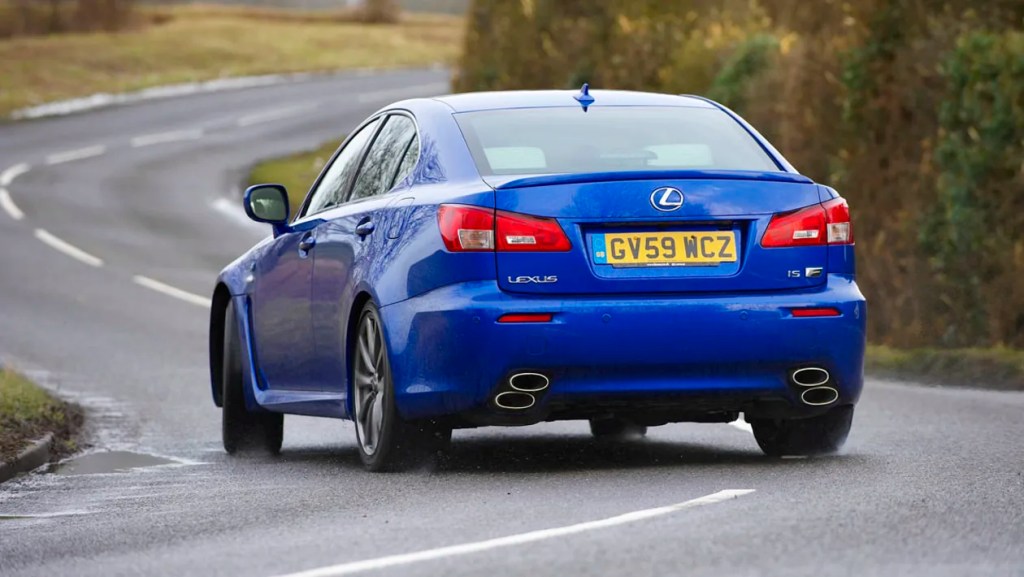
Context
Lexus launched the IS F as a direct challenge to German performance saloons — serious engineering, serious intent, no irony.
Why It Mattered
It suggested Lexus was willing to prioritise emotion alongside refinement. The idea of a Japanese alternative to European aggression felt fresh.
Why the Momentum Collapsed
The strategy lacked long-term commitment. The F identity never became a sustained movement across the range.
What the Industry Lost
A credible performance rivalry that could have reshaped expectations beyond the established European formula.
3 — Jaguar XE
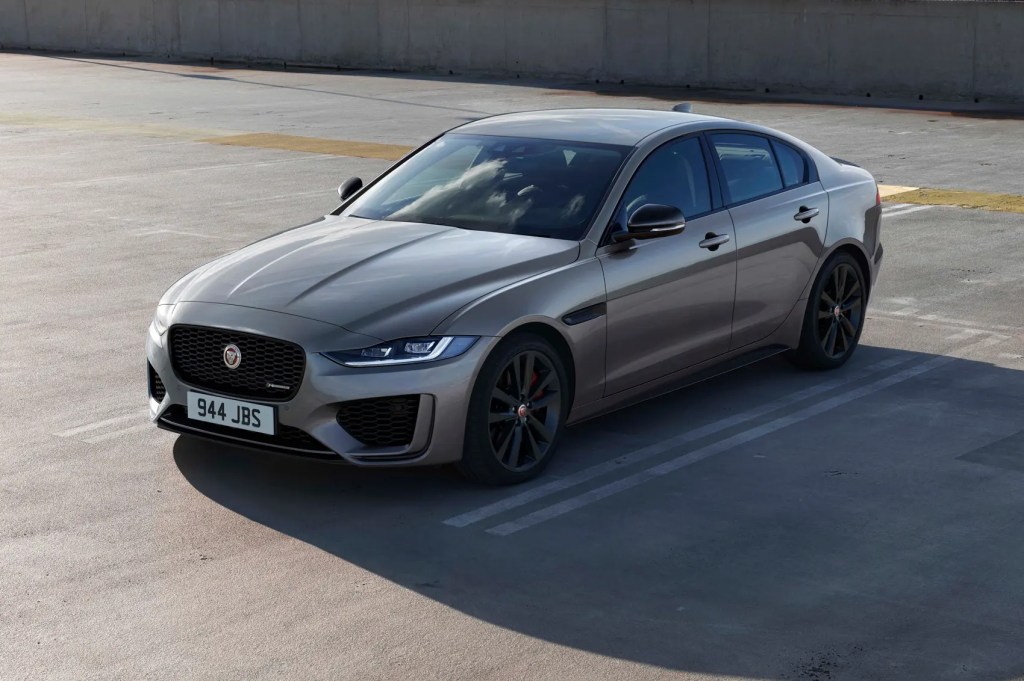
Context
The XE arrived with extraordinary pressure: Jaguar openly targeted the benchmark sports saloon segment.
Why It Mattered
It proved the company could still engineer a genuinely capable driver-focused car. The launch hinted at a full renaissance.
Why the Momentum Collapsed
Brand strategy drifted toward electrification and repositioning before the car’s story could mature. Engineering excellence alone wasn’t enough.
What the Industry Lost
Evidence that legacy brands could rebuild credibility through substance rather than nostalgia — if only they sustained the effort.
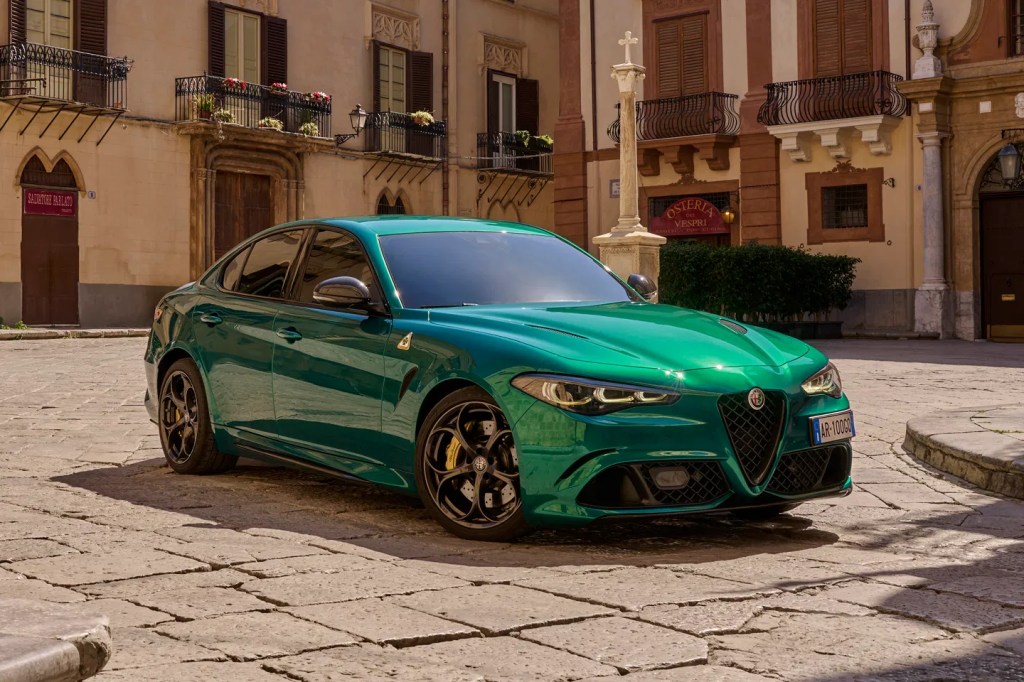
2 — Alfa Romeo Giulia (Early Momentum)
Context
The Giulia launched as a declaration: Alfa Romeo was back, serious, and ready to fight on engineering terms.
Why It Mattered
Steering feel, balance and dynamic purity became central to the conversation again. Enthusiasts briefly believed passion might beat predictability.
Why the Momentum Collapsed
The wider brand failed to build a coherent ecosystem around it. SUVs and shifting priorities diluted the narrative.
What the Industry Lost
Proof that emotional driving experiences could still anchor a brand’s identity in the modern era.
1 — Citroën DS5

Context
The DS5 arrived as a radical statement: French premium design breaking away from German orthodoxy. Its interior resembled a cockpit, its shape ignored convention.
Why It Mattered
It wasn’t trying to imitate competitors — it was trying to redefine premium altogether. For a brief moment, originality felt possible again.
Why the Momentum Collapsed
The brand hesitated between bold experimentation and mainstream acceptance. Without conviction, the idea diluted into another badge strategy.
What the Industry Lost
The courage to be fundamentally different. The DS5 showed an alternate path for automotive design — and the industry quietly chose familiarity instead.
Industry Pattern: The Short Memory Problem
Across this ranking, the same pattern repeats. Manufacturers launch bold ideas to generate attention, then retreat the moment risk appears. Instead of nurturing new philosophies, they extract superficial elements and move on. Cars become marketing moments rather than long-term statements.
The industry hasn’t stopped experimenting — it has stopped committing.
Final Verdict
These cars were not forgotten because they were failures. They were forgotten because the modern industry rewards novelty more than continuity. Excitement is encouraged — but only in short bursts. Long-term belief is considered dangerous.
The real story here isn’t that these cars disappeared.
It’s that everyone agreed, almost without noticing, that they didn’t need to matter anymore.

 UNBUILT GARAGE
Leave a comment