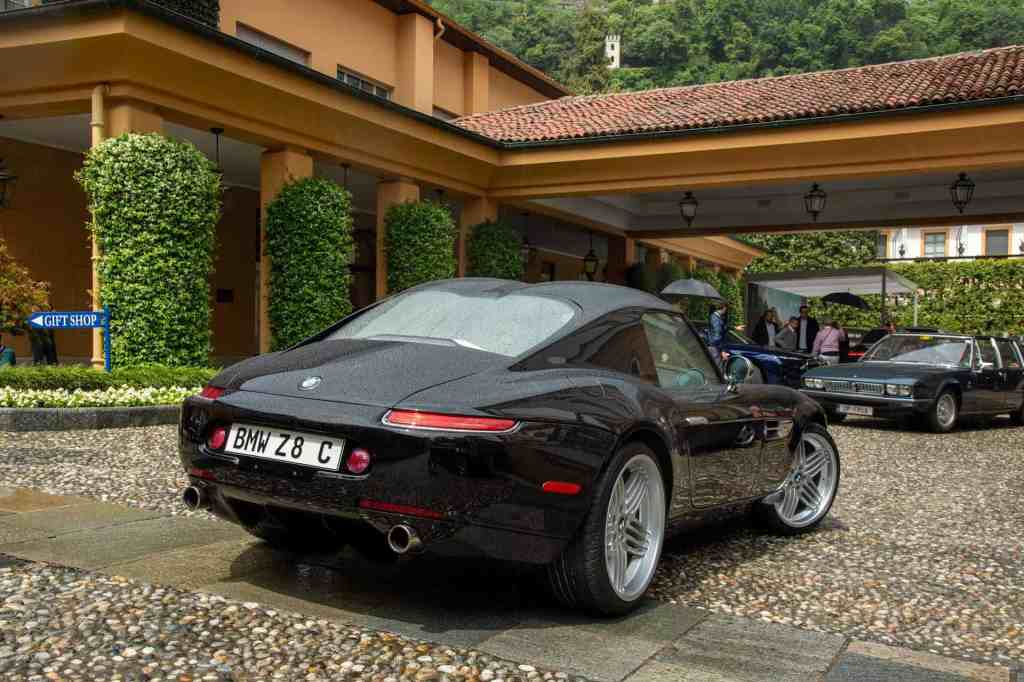
Some cars failed because they were bad. These failed because the industry told the wrong story about them.
Introduction
Rare performance cars are supposed to escape compromise. They exist precisely because someone inside a company briefly ignores market research and builds something slightly irrational.
But rarity doesn’t protect a car from bad positioning. In fact, it often makes things worse.
When a manufacturer doesn’t know how to explain an unusual performance car, marketing steps in — and marketing hates ambiguity. Weird cars get explained away as supercars, halo projects, lifestyle statements or heritage revivals, even when the engineering reality says something very different.
The result is predictable. The public judges the car against the wrong criteria, journalists compare it to the wrong rivals, and history remembers the narrative instead of the machine.
These are rare performance cars where the engineering deserved one legacy — but marketing created another.
Ranking Method
This ranking looks at cars where:
- engineering intent was clear
- marketing positioned them as something else
- perception drifted away from reality
- legacy suffered because of the mismatch
The higher we go, the more the marketing distortion reshaped how the car is remembered.
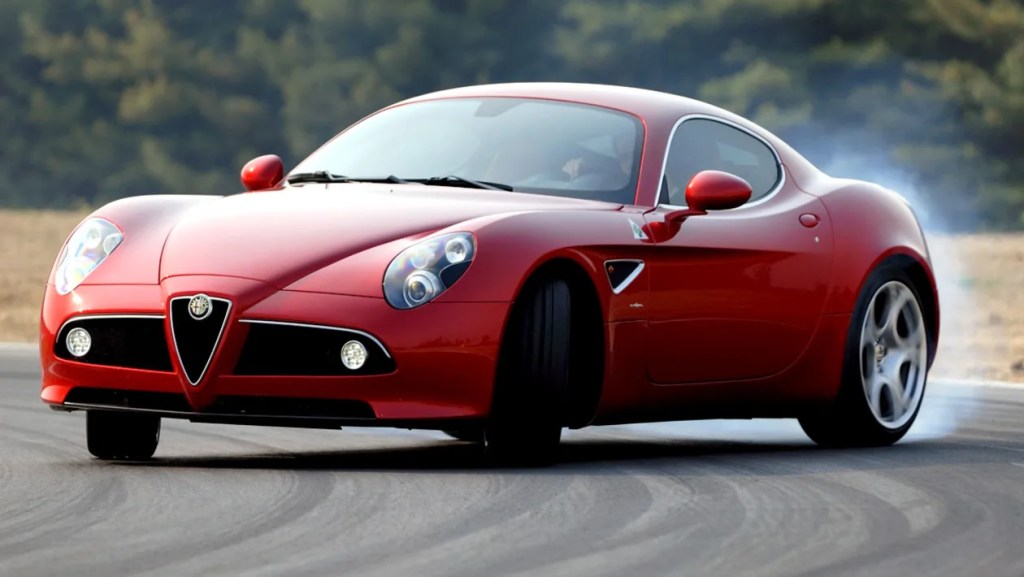
10 — Alfa Romeo 8C Competizione
Context
Limited production, Maserati underpinnings, front-engine V8 GT proportions straight out of an Italian sketchbook.
Why It Mattered
It was never meant to be a hardcore supercar — it was a rolling piece of emotional design.
How Marketing Undermined It
Alfa sold it visually and verbally as a Ferrari rival. Dynamic compromise suddenly became a flaw instead of a design choice.
What the Industry Lost
A chance for beauty-first performance to be respected on its own terms.
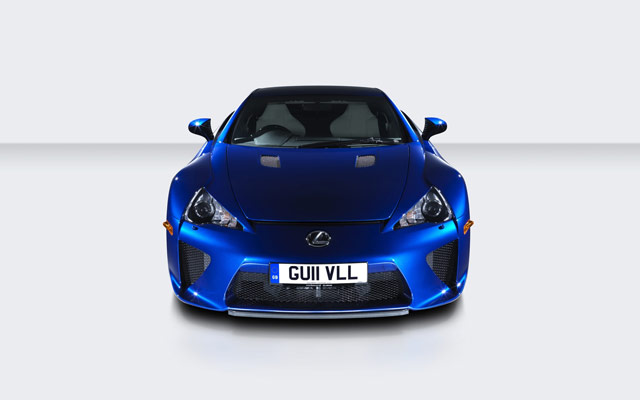
9 — Lexus LFA
Context
A near-mythical engineering obsession: carbon construction, hand-built V10, tiny production numbers.
Why It Mattered
One of the few cars built because engineers wanted to prove they could.
How Marketing Undermined It
Lexus tried to sell it using luxury-brand logic — refinement, craftsmanship — instead of emotional irrationality.
What the Industry Lost
The moment passed before people realised it wasn’t a product — it was a statement.
8 — BMW Z8

Context
Retro-inspired roadster, aluminium space frame, V8 power — effectively a modern classic built in real time.
Why It Mattered
It bridged analogue BMW philosophy with modern engineering.
How Marketing Undermined It
Positioned as a lifestyle icon and design piece rather than a serious driver’s GT.
What the Industry Lost
Recognition that BMW once built cars guided more by emotion than segmentation.
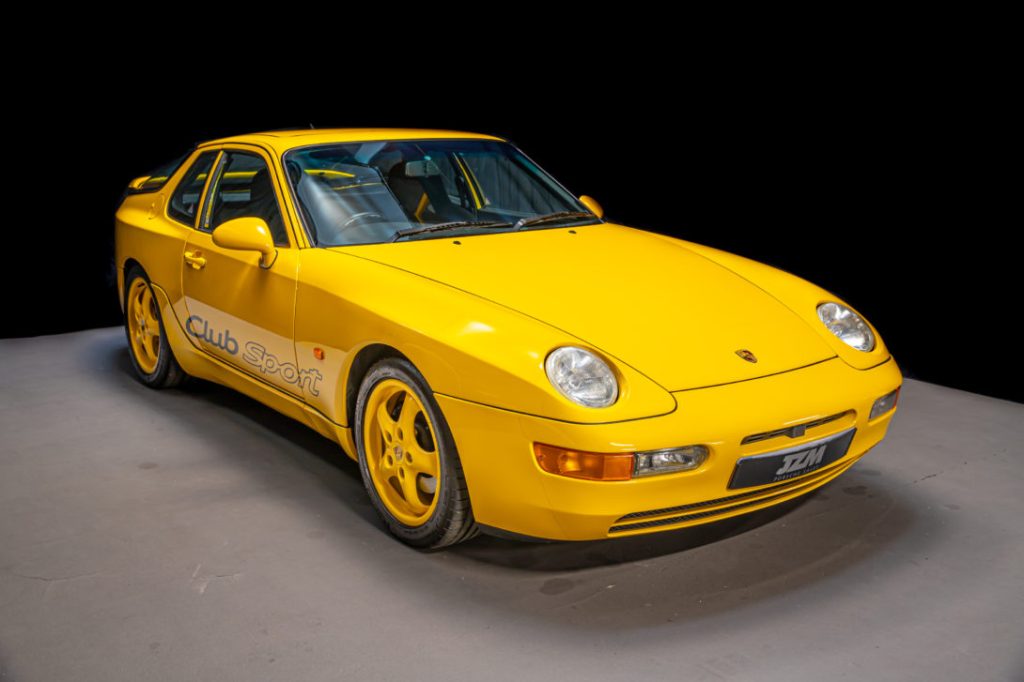
7 — Porsche 968 Club Sport
Context
Lightweight, stripped-back, front-engined Porsche built for driving purity.
Why It Mattered
It quietly represented one of Porsche’s purest chassis philosophies.
How Marketing Undermined It
Internal positioning framed it as the “lesser” Porsche rather than the enthusiast choice.
What the Industry Lost
Proof that purity doesn’t need rear-engine mythology to matter.
6 — TVR Sagaris
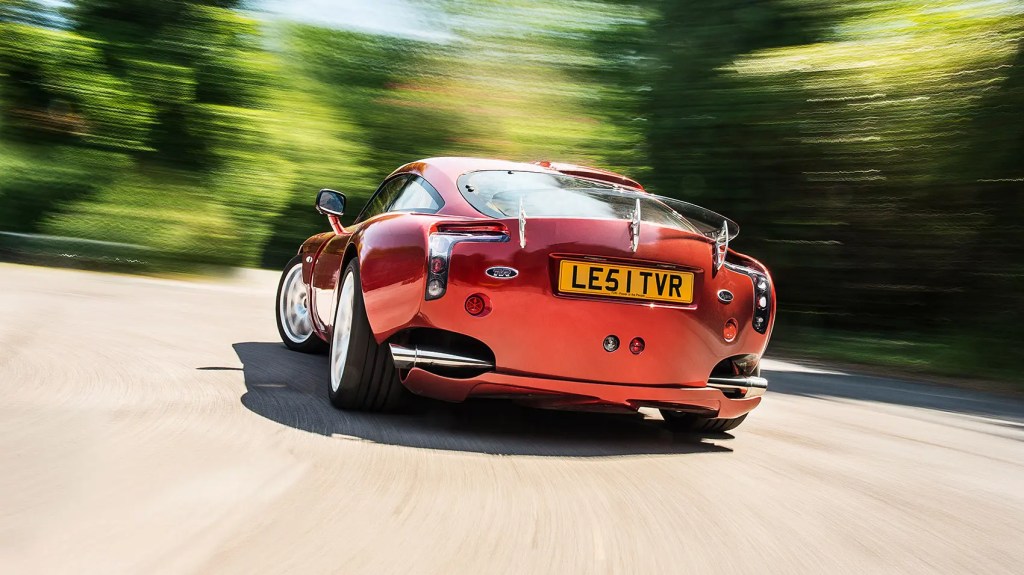
Context
Unfiltered British madness — lightweight, loud, unapologetically raw.
Why It Mattered
It rejected electronic safety nets long before analogue became fashionable again.
How Marketing Undermined It
TVR’s branding leaned into chaos so heavily that the car became a caricature in public imagination.
What the Industry Lost
The idea that raw performance can exist without irony.
5 — Honda NSX (First Generation)
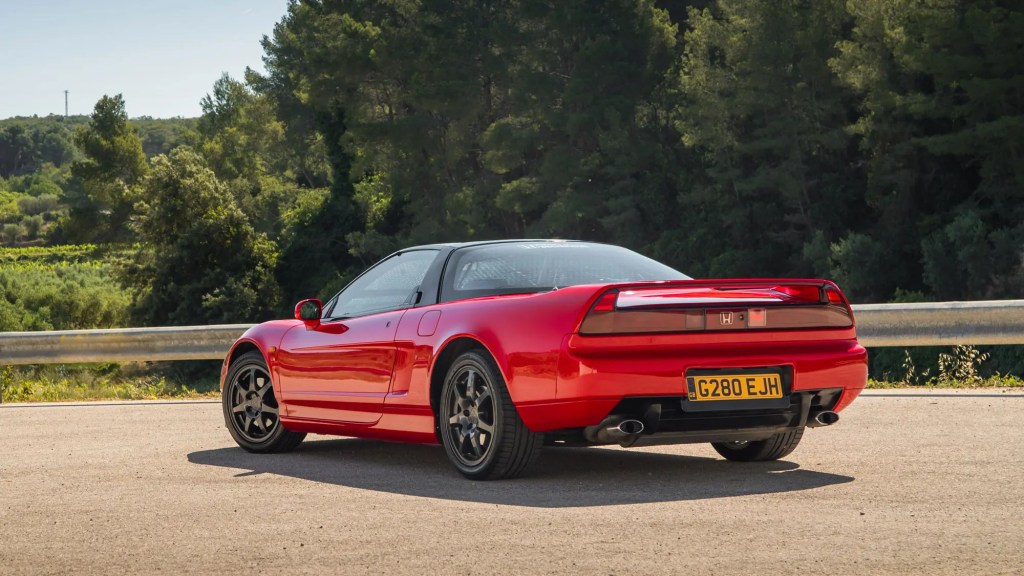
Context
A precision-built supercar focused on usability and engineering balance.
Why It Mattered
It challenged European assumptions about what a supercar should feel like.
How Marketing Undermined It
Honda sold it as the rational supercar — accidentally convincing buyers it lacked passion.
What the Industry Lost
The understanding that precision is emotion — just expressed differently.
4 — Mercedes-Benz SLS AMG Black Series

Context
A hardcore evolution of an already dramatic platform, limited production, aggressive engineering.
Why It Mattered
It was one of the last naturally aspirated AMG extremes.
How Marketing Undermined It
Positioned more as a collector’s trophy than a driver’s machine from the start.
What the Industry Lost
Cars stopped earning legend through use — they were sold as legends immediately.
3 — Jaguar XJ220
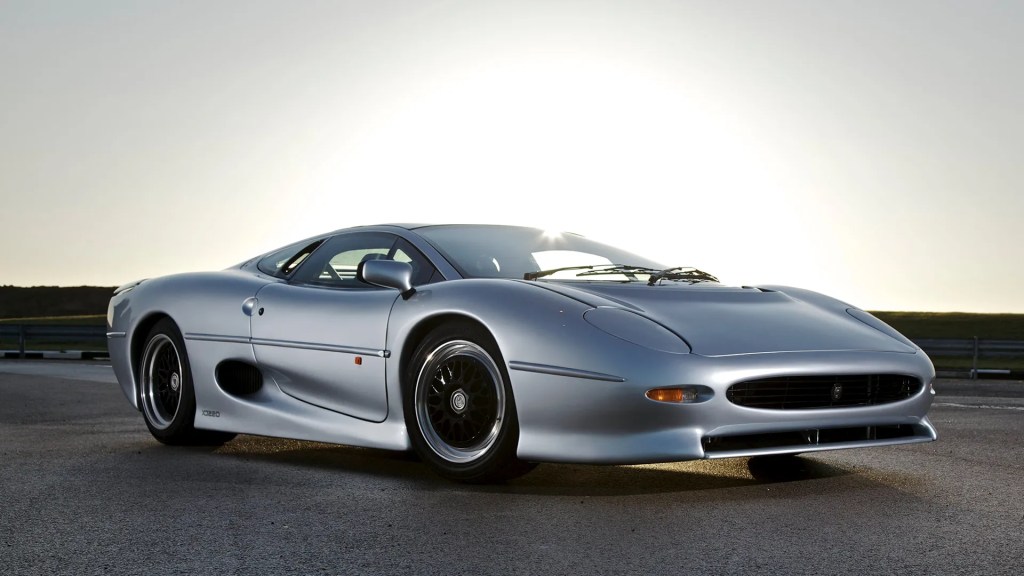
Context
A hypercar launched into impossible expectations, built during economic uncertainty.
Why It Mattered
Its design and ambition redefined British performance ambition overnight.
How Marketing Undermined It
Early promises shaped expectations the production car couldn’t match, turning reality into perceived betrayal.
What the Industry Lost
Trust between manufacturer vision and enthusiast imagination.
2 — BMW i8
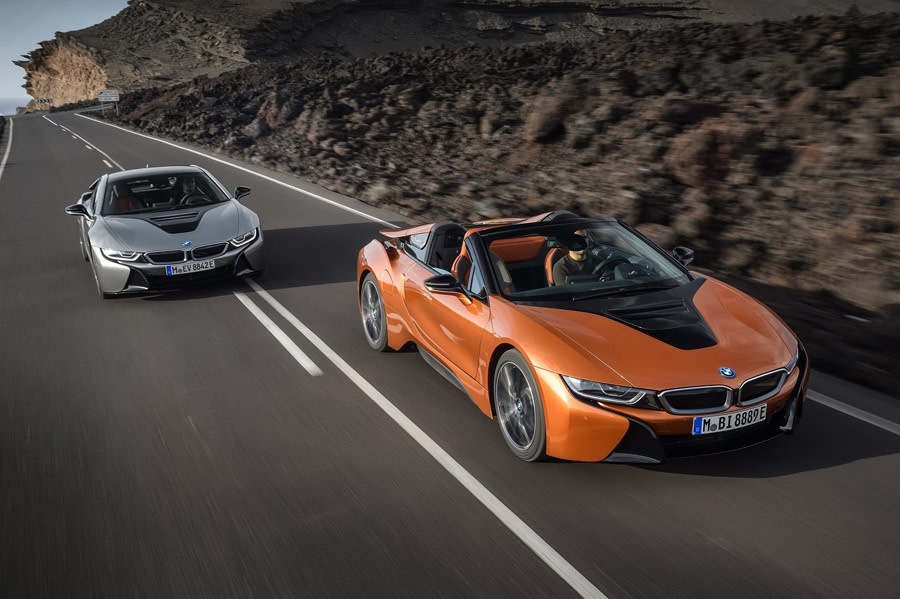
Context
Carbon structure, hybrid system, futuristic aesthetics — intentionally experimental.
Why It Mattered
One of the few performance cars that tried to redefine the category rather than improve it incrementally.
How Marketing Undermined It
Presented visually as a supercar while behaving philosophically as an efficiency experiment.
What the Industry Lost
Manufacturers learned to disguise innovation as tradition instead of letting it stand alone.
1 — Mitsubishi Lancer Evolution X Final Edition
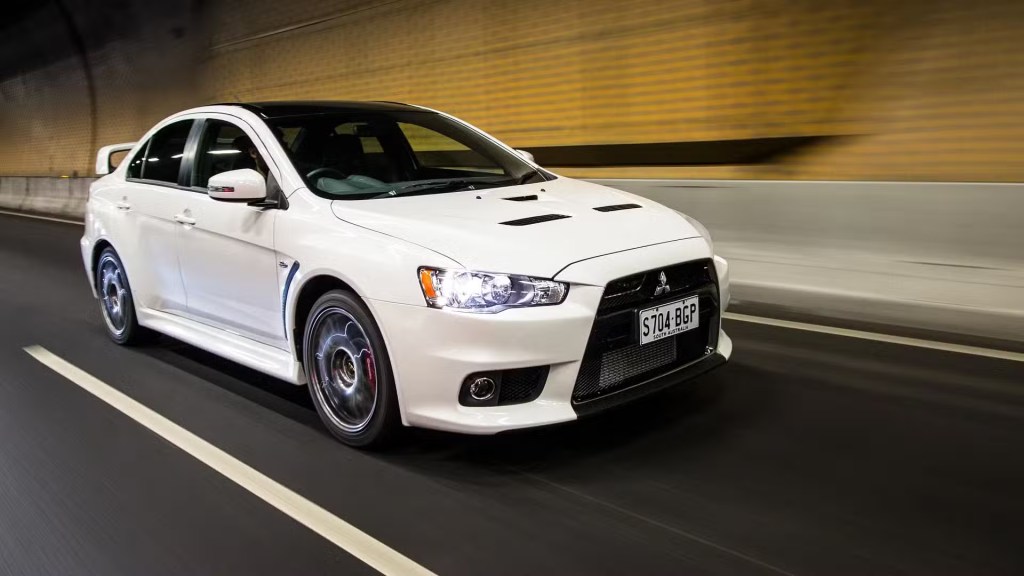
Context
The final chapter of one of the purest performance bloodlines in modern motoring.
Why It Mattered
It marked the end of an era where engineering obsession outranked brand strategy.
How Marketing Undermined It
Instead of framing it as a philosophical farewell, it was marketed as a numbered special edition — a product to collect rather than a lineage to mourn.
What the Industry Lost
The industry stopped celebrating performance ideologies and started selling nostalgia merchandise.
Industry Pattern — Marketing Arrives Too Early
The pattern across these cars is simple:
Marketing increasingly tries to decide a car’s legacy at launch.
But rare performance cars become meaningful precisely because their meaning develops slowly — through driving, myth, and time.
When the story arrives before the experience, the experience never catches up.
Final Verdict
These cars weren’t ruined because they lacked brilliance.
They were ruined because marketing tried to tell us what they were before we had the chance to figure it out ourselves.
And once a rare performance car is explained too loudly, it stops feeling rare at all.

 UNBUILT GARAGE
Leave a comment