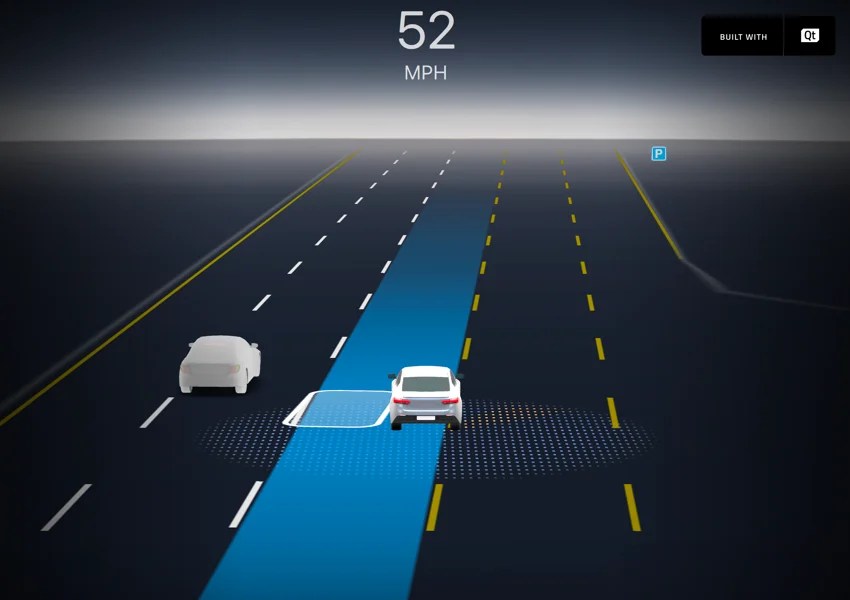
Cars have not changed gradually over the last decade — they have changed direction. The shift is not about horsepower or styling alone, but about philosophy. The car moved from being a mechanical product shaped by engineers into a rolling piece of software shaped by regulation, data, and efficiency targets. That transformation explains why even excellent modern cars can feel slightly unfamiliar to people who have been driving for long enough to remember when machinery, not algorithms, defined the experience.
The Shift
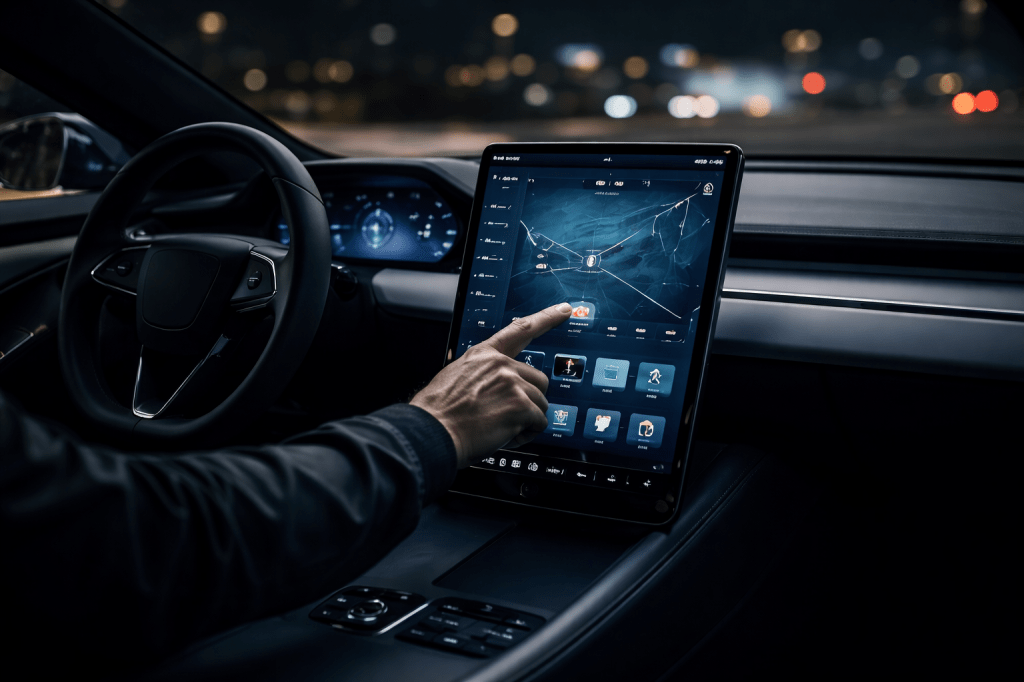
The most obvious change about cars in the last 10 years is how digital they have become. Screens expanded from optional extras to the central organising principle of the cabin. Buttons vanished, analogue dials retreated, and software updates became as important as service history.
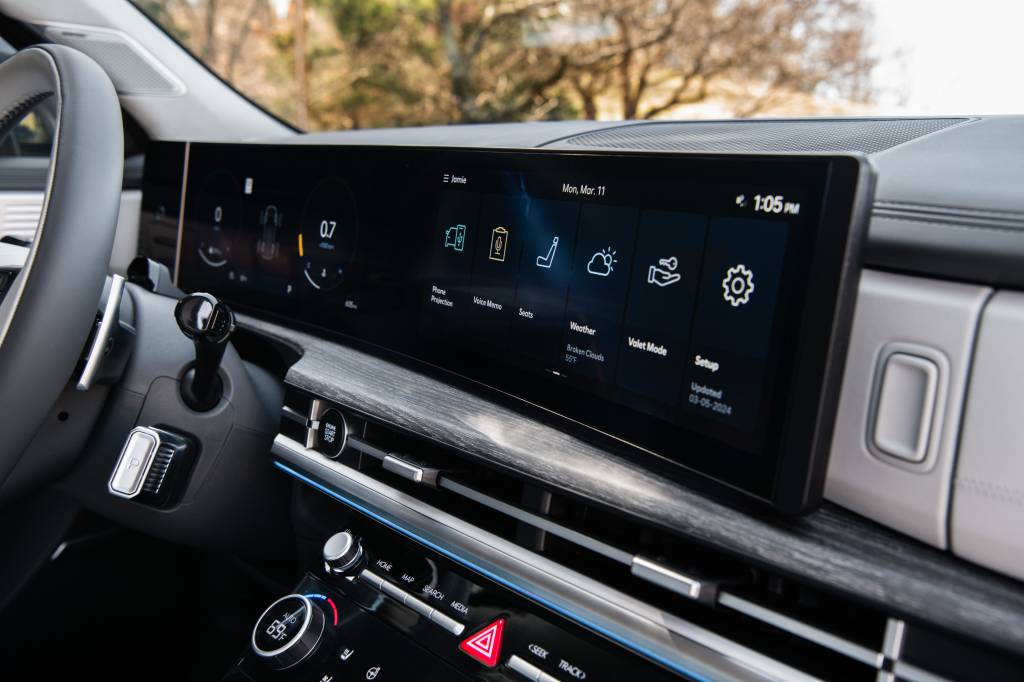
At the same time, driving itself has been quietly redefined. Assistance systems now steer, brake, and monitor attention, often more actively than drivers expect. Performance has also shifted; many everyday cars now accelerate faster than sports cars from a decade ago, thanks to turbocharging and electrification. On paper, progress looks undeniable.
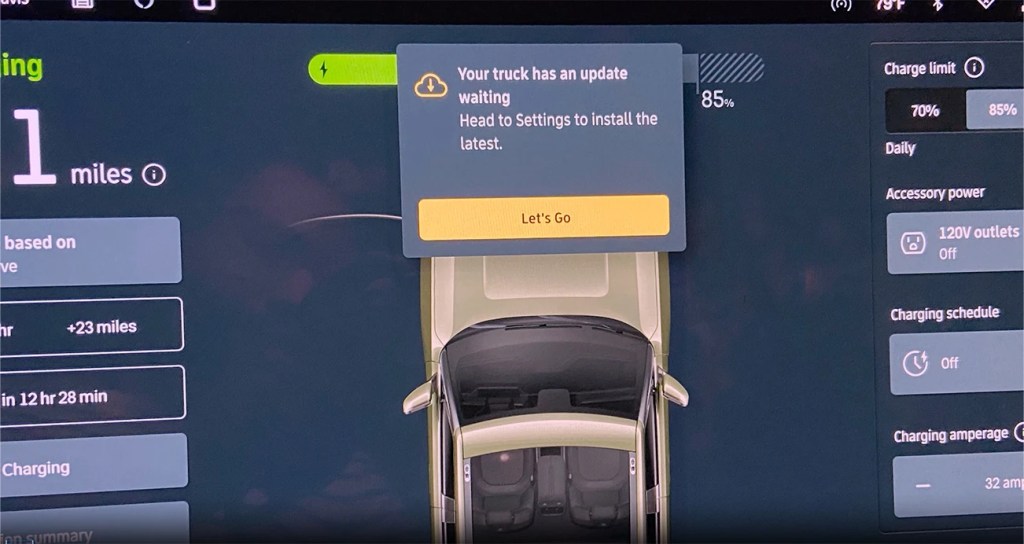
Yet something subtle changed alongside those numbers. Cars began to feel less like fixed objects and more like evolving platforms. Features arrive through updates. Interfaces change overnight. A vehicle is no longer entirely finished when it leaves the factory.
Why It Happened
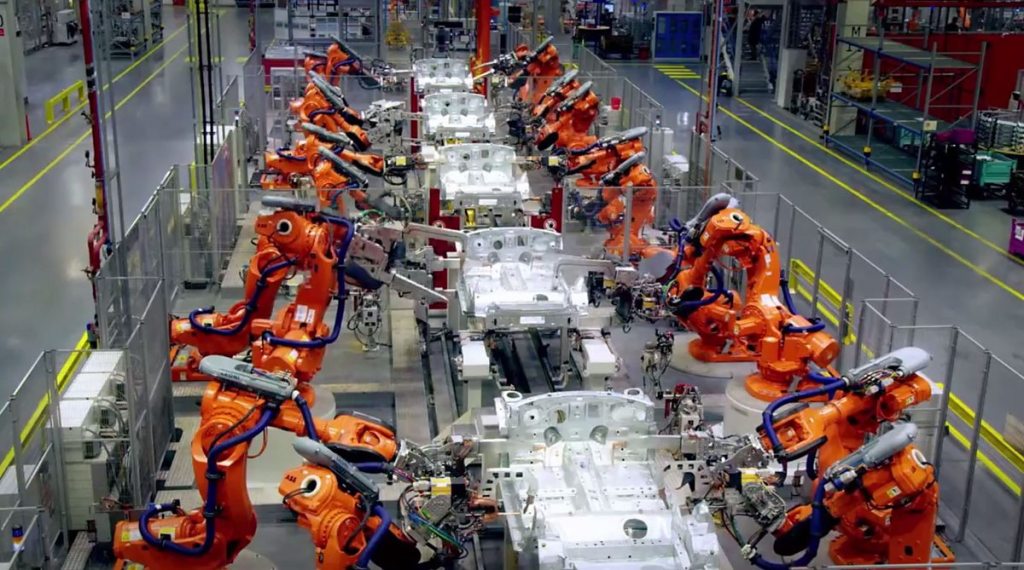
This transformation did not happen by accident. Regulations tightened emissions and safety standards, pushing manufacturers toward electrification, hybrid systems, and increasingly complex electronic controls. Designers responded by simplifying interiors, partly because screens are cheaper and easier to update than physical hardware.
Technology companies also influenced expectations. Drivers became used to smartphones that evolve constantly, and car manufacturers adopted the same logic. Connectivity became a selling point rather than a technical novelty, and software became the new battleground for differentiation.
Economics played a role too. Global platforms allowed brands to spread development costs across multiple models, encouraging shared design language and similar driving characteristics. It is not a coincidence that many cars now feel more alike than they once did. Efficiency favours consistency.
Design trends reinforced this direction. Minimalism, once reserved for luxury concept cars, became mainstream. Smooth surfaces replaced tactile materials. Large screens signalled modernity. Whether that actually improved usability is a separate question.
The Consequences
For everyday drivers, many of these changes are genuinely positive. Cars are safer, quieter, cleaner, and easier to live with. Reliability has improved in many segments, and advanced driver assistance reduces fatigue on long journeys. There is no sensible argument against progress in those areas.
But for enthusiasts, the picture is more complicated. The mechanical connection between driver and machine has softened. Steering systems are more filtered. Engines, often smaller and turbocharged, deliver efficiency but less character. Even manual gearboxes, once common, now feel like a rare indulgence.
Ownership has changed too. Software subscriptions, connected services, and evolving interfaces mean a car no longer feels entirely static. What you buy is sometimes closer to an entry point than a finished product. That shift explains why many drivers struggle to describe modern cars emotionally. They are extremely good, yet strangely neutral.
Another consequence is visual sameness. Aerodynamics, crash standards, and shared platforms produce similar proportions across brands. Cars have not become unattractive — many look excellent — but individuality now exists within narrower boundaries.
The Reality Check
It would be easy to claim that cars were better ten years ago, but that would ignore how much progress has been made. Older vehicles felt more mechanical partly because they were less refined and less capable. Noise, vibration, and inefficiency can feel charming in hindsight, yet few drivers would willingly return to them every day.
Likewise, the rise of technology is not inherently negative. Navigation systems are faster, infotainment is more intuitive, and safety systems save lives. Electric vehicles have introduced entirely new ideas about performance and design, often delivering instant torque and smoothness that traditional engines cannot match.
The real change about cars in the last 10 years is not that they became worse or better, but that they prioritised different values. Emotional engagement moved slightly down the list, while usability, connectivity, and efficiency moved up. Some drivers barely notice this shift. Others feel it every time they turn the wheel.
There is also evidence that manufacturers are aware of the criticism. Recent designs are reintroducing physical controls for key functions, and some brands are deliberately tuning cars to feel more engaging. The industry rarely moves backwards, but it often adjusts course when feedback becomes clear.
The Verdict
So what changed about cars in the last 10 years? They stopped being purely mechanical tools and became software-defined machines shaped by regulation, technology, and evolving expectations. That shift brought undeniable gains in safety and capability, but it also altered how drivers relate to their cars.
The decade did not kill driving — it redefined it. Modern cars ask us to value convenience and intelligence over raw mechanical feel. Whether that is progress or compromise depends largely on what you expect from a car in the first place. The important point is this: the change happened quietly, but it changed almost everything.
 UNBUILT GARAGE
Leave a comment