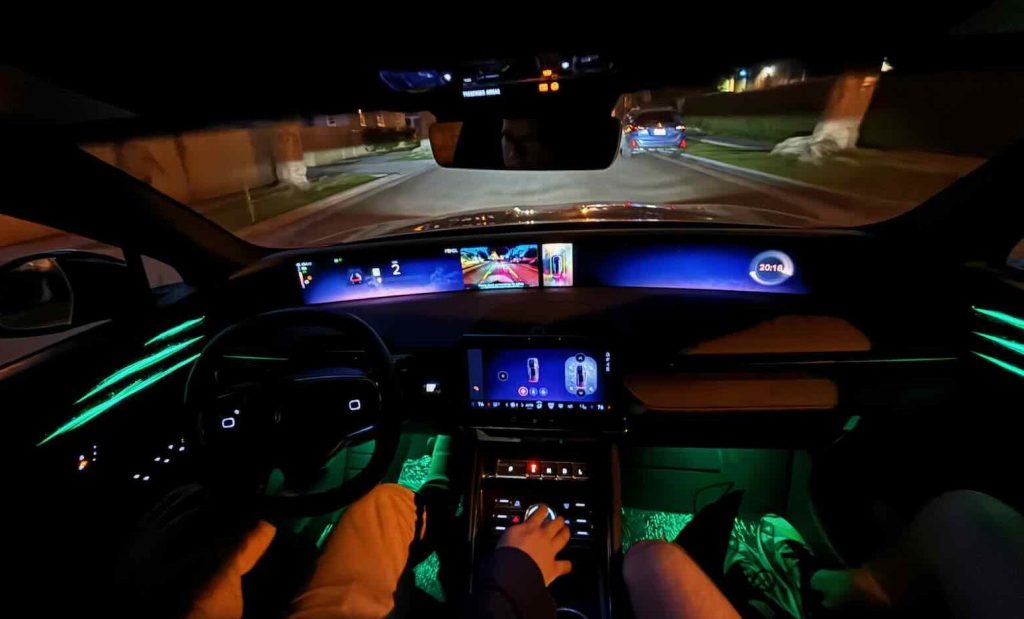
The screens got bigger, the lighting got prettier — and the materials quietly got worse.
The Central Conflict
There has never been a better era for photographing a car interior.
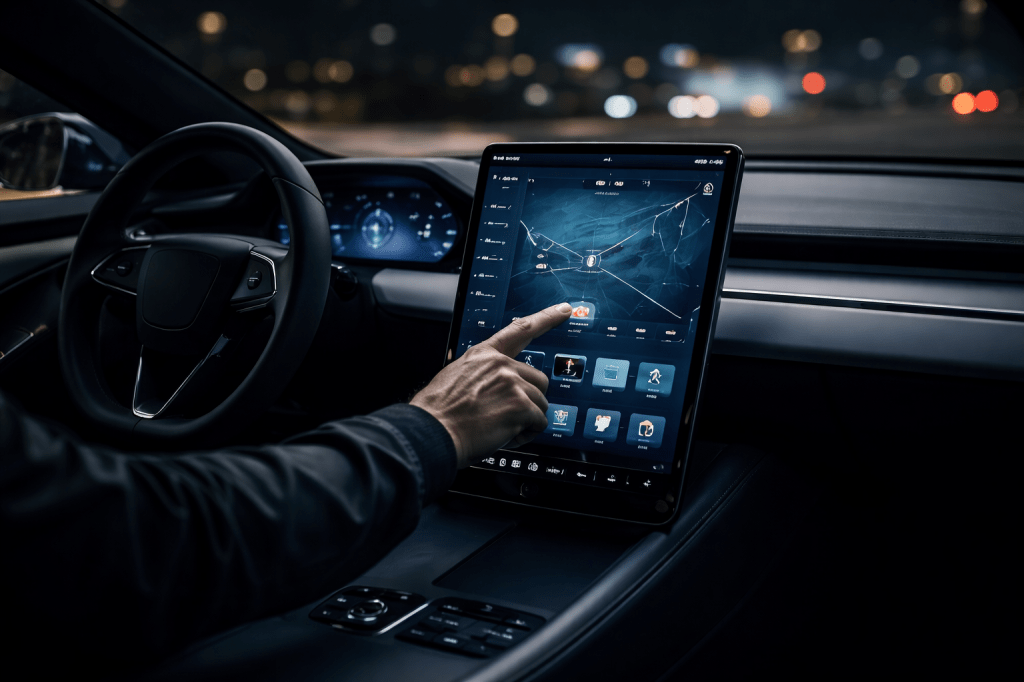
From the outside of your phone screen, today’s cabins look like they were chiselled from a single block of digital perfection. Endless light bars trace elegant horizons across dashboards. Piano-black surfaces gleam under studio lamps. Curved OLED displays float like they were pulled straight from a sci-fi film set. Even entry-level hatchbacks now appear as if they’ve been styled by a Milanese architect who only eats at three-Michelin-star restaurants.
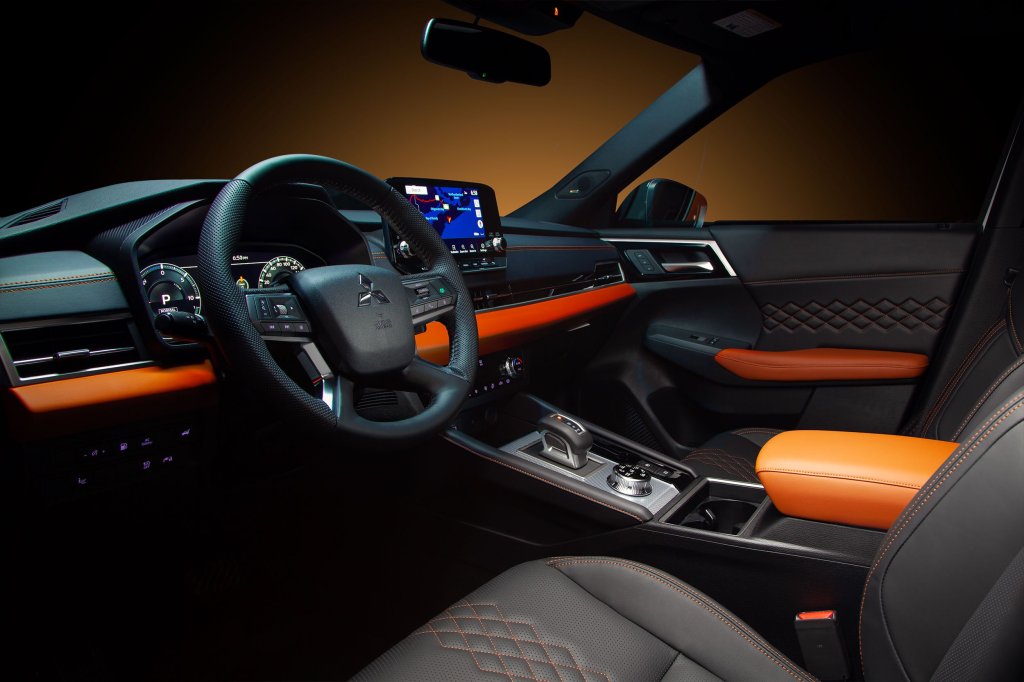
And yet, when you actually sit in them, something feels… wrong.
Your finger lands on what appears to be brushed aluminium and discovers it’s just textured plastic with good lighting. You lean on an armrest that looks plush in the brochure and find a wafer-thin layer of foam stretched over a hollow cavity. You turn a rotary dial that seems solid and premium, only to realise it weighs less than the key fob.
Modern car interiors have mastered the art of looking expensive while increasingly feeling cheap. This is not a coincidence. It is a calculated shift — a bet that visual drama can replace material integrity, that atmosphere can substitute for substance, and that buyers will confuse brightness with quality.
What we are witnessing is not progress. It is an industry-wide optical illusion.
Brand DNA vs the Concept
For decades, the great car brands differentiated themselves through touch as much as sight. A Mercedes cabin felt different to a BMW cabin, which felt different again to an Audi. You didn’t need a badge to know which you were in; the materials, the weight of the controls, the resistance of the switchgear told you instantly.
Today, brand DNA has been quietly diluted by a shared interior philosophy: “Make it look spectacular, make it feel acceptable, make it cheap to build.”
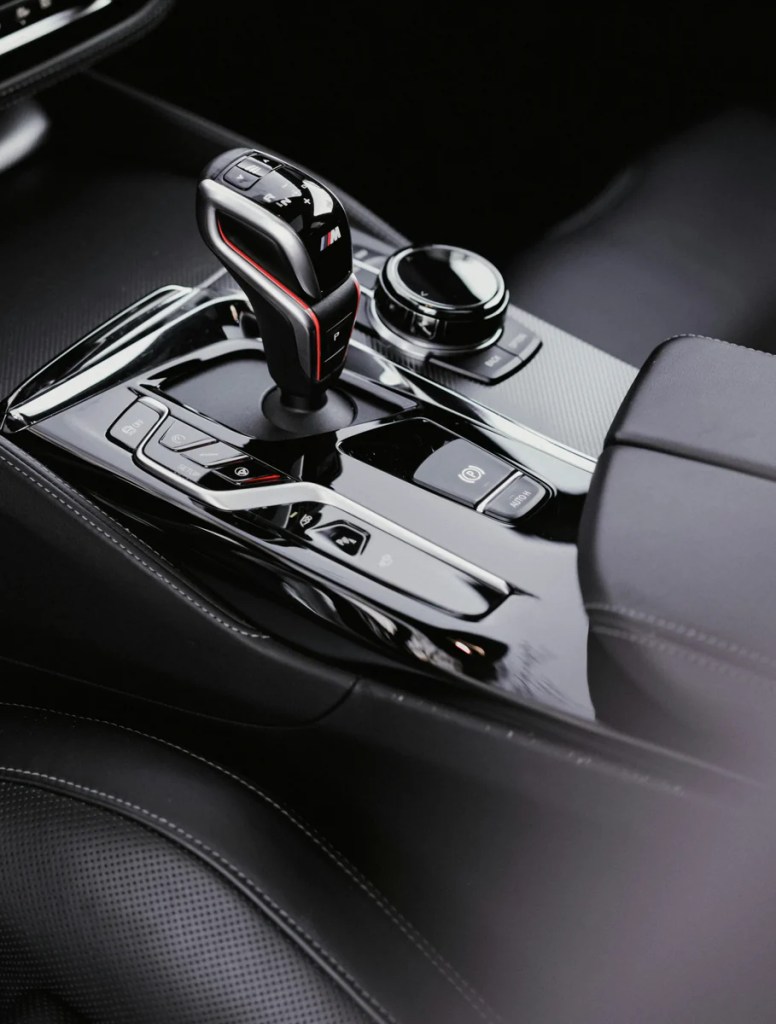
Luxury brands still speak in the language of craftsmanship — hand-stitched this, open-pore wood that — but scratch beneath the surface and you find the same industrial logic as in far cheaper cars. Modular screens. Shared switchgear. Identical glossy plastics. Identical haptic buttons that buzz like a cheap smartphone.
The concept underpinning modern interiors is fundamentally visual-first. It prioritises what can be filmed, photographed, and displayed in a dealership over what can be felt at 70 mph with one hand on the wheel. That might suit tech companies. It does not suit car brands that were once defined by mechanical sincerity.
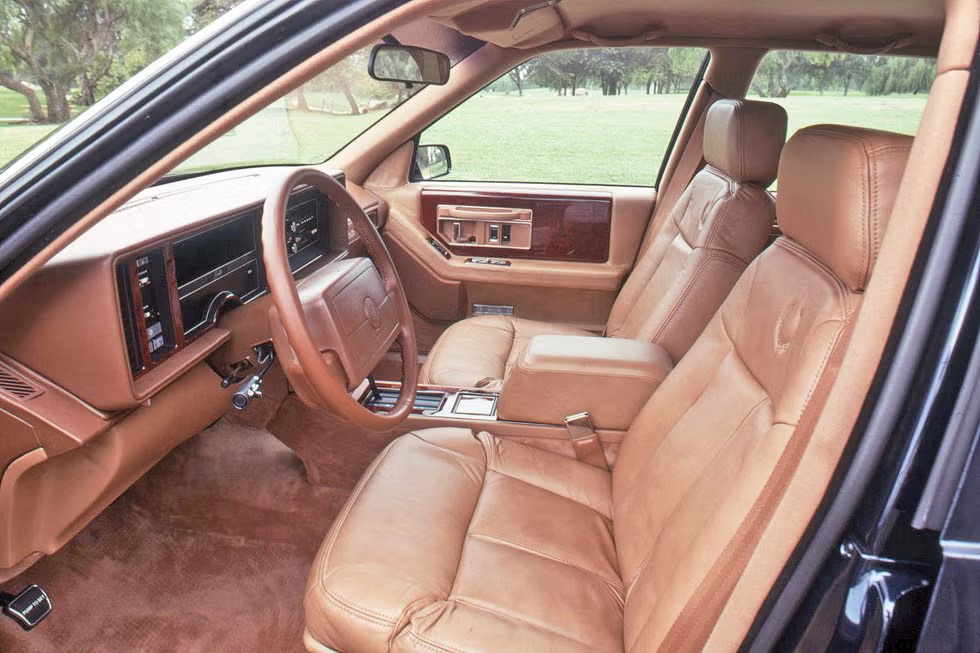
A great interior should feel like the product of a philosophy, not a lighting designer.
Design Implications
The aesthetic of modern interiors is built around three pillars: screens, ambient lighting, and “clean surfaces.”
Screens are now the dominant design feature, not a supporting one. They stretch across dashboards like an unbroken sheet of glass, flattening character in the process. Where once designers sculpted depth, layering, and tactile contrast, they now simply install a rectangular window and call it minimalism.
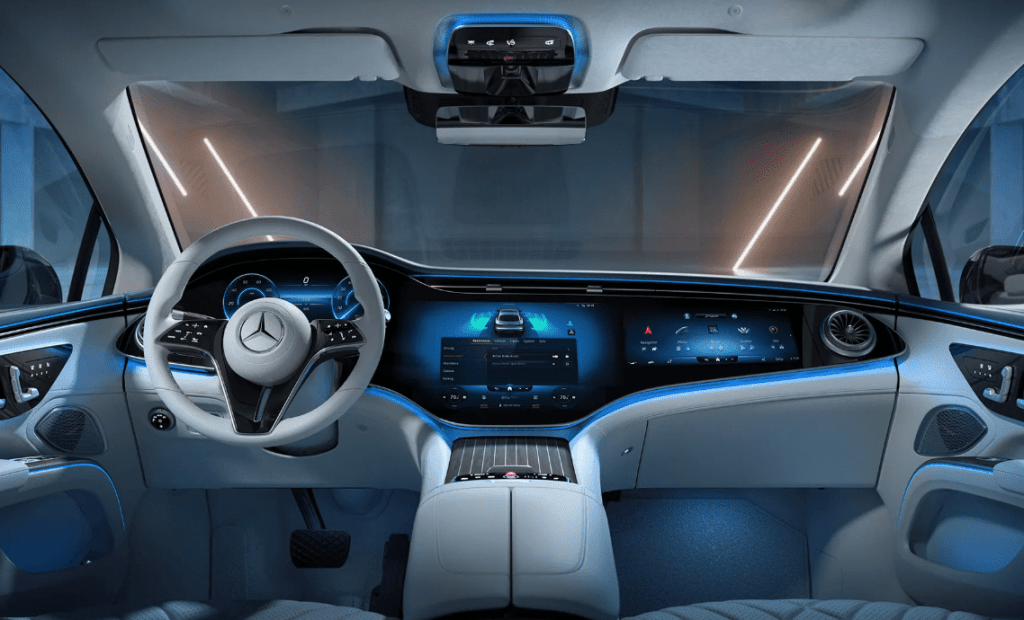
Ambient lighting, meanwhile, has become the emotional wallpaper of the cabin. It glows, pulses, changes colour, and distracts from the fact that beneath it often lies inexpensive plastic. Light is being used as a substitute for material richness — a trick of atmosphere over authenticity.
Then there are the so-called “clean surfaces.” In pursuit of a sleek look, physical buttons have been erased, textures have been smoothed, and everything has been reduced to glossy continuity. The result photographs beautifully and feels strangely lifeless. A dashboard that once invited touch now repels it.
Design has become about surface spectacle, not sensory depth. The car interior has shifted from something you inhabit to something you admire like a hotel lobby you never quite sit in.
Interior Philosophy
A truly great interior should work on three levels: visual, tactile, and functional.
Modern cabins excel at the first, flirt with the second, and frequently fail at the third.
Touchscreens have replaced physical controls in the name of “progress,” but they have also made basic tasks slower, less intuitive, and more distracting. You now hunt through digital menus to adjust something you once changed with a simple dial. The interior may look futuristic, but it often feels less usable.

Materials tell an even harsher story. The industry has become obsessed with perceived quality — how something looks rather than what it actually is. Soft-touch plastic exists only where your hand might briefly land. Everywhere else, hidden from casual inspection, is cost-cutting in plain sight.
This is the philosophical flaw: treating interiors like film sets, where only the front-facing surfaces matter, rather than environments built to be lived in for hours at a time.
A car interior should age with dignity. Too many modern cabins feel like they will age like budget electronics.
Market Positioning
Manufacturers have realised something deeply cynical: most buyers will judge an interior in the first 30 seconds of a showroom visit.
They will open the door, admire the glowing lights, marvel at the giant screen, run a hand across the dashboard — and sign on the dotted line.
Long-term feel, durability, and material honesty are not part of that snap judgement. They only reveal themselves months or years later, when the gloss has worn off and the illusions have faded.
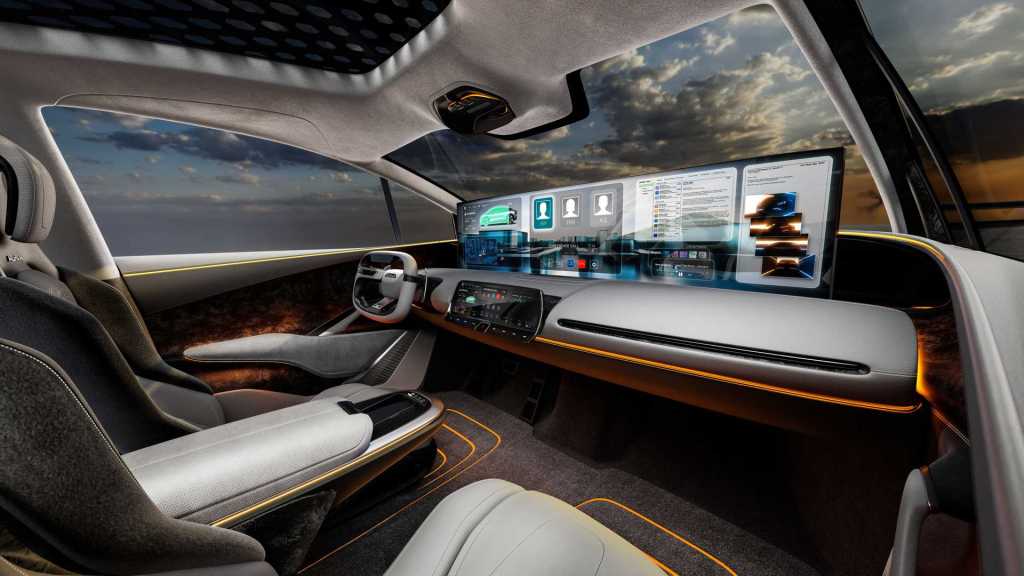
As a result, the market rewards visual theatre over tactile excellence. The cars that win design awards are often the ones that look the most dramatic, not the ones that feel the most solid. Luxury has become performative rather than physical.
This is why even mainstream cars now look like concept cars inside — because looking premium is easier, cheaper, and more immediately persuasive than actually being premium.
Brand Risk
Here is where the industry is playing a dangerous game.
By prioritising appearance over substance, brands risk hollowing out their own identity. If every interior is defined by the same giant screen, the same glowing light strips, and the same glossy plastics, then what makes one brand truly distinct?
More importantly, buyers are not stupid. Over time, they will notice the mismatch between visual promise and tactile reality. The first few years may pass unnoticed, but eventually the novelty of screens fades and the cheapness remains.
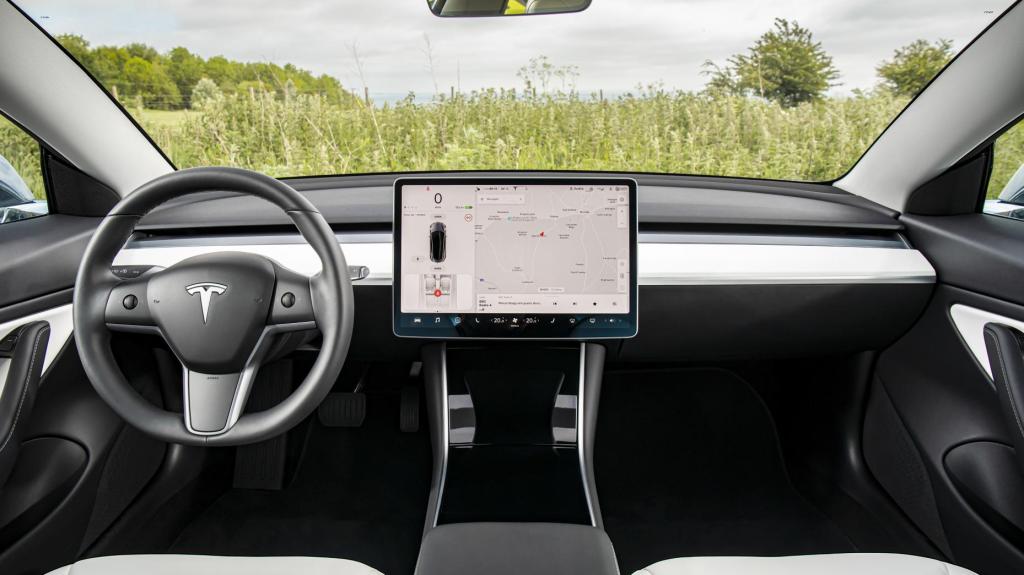
Brands that once traded on solidity — the kind that made you feel like you could drive to the ends of the earth — are now flirting with disposability. That is a catastrophic philosophical shift for any manufacturer that wants to be taken seriously in the long term.
A brand that builds interiors that look expensive but feel cheap is not selling luxury. It is selling a well-lit lie.
Final Verdict
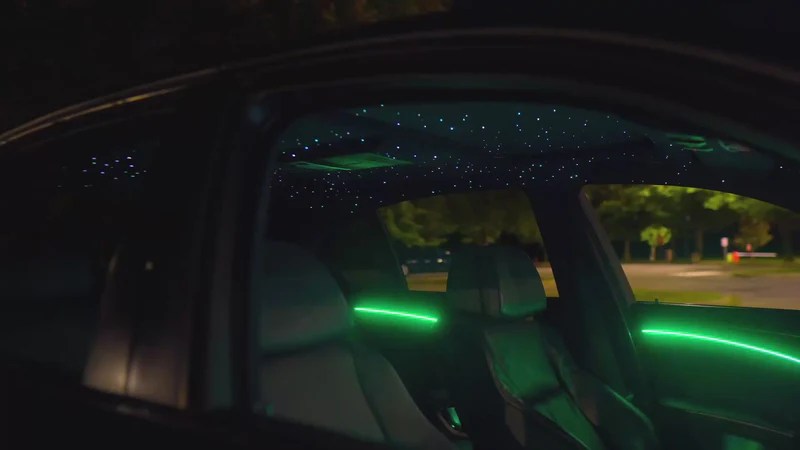
Modern car interiors are not genuinely getting better — they are getting better at pretending.
The industry has mastered the art of visual luxury while quietly retreating from material integrity. It has replaced weight with light, substance with spectacle, and tactility with touchscreen theatre. The result is a generation of cabins that impress at first glance and disappoint on first touch.
A truly premium interior should feel as expensive as it looks. Right now, most of them do not.
And until manufacturers remember that cars are meant to be driven, handled, and lived in — not just photographed — the velvet trap will remain: dazzling to the eye, hollow to the hand, and ultimately unconvincing to anyone who pays attention.

 UNBUILT GARAGE
Leave a comment