A ranking of machines that behaved as if tomorrow already existed — and were destroyed by an industry that only knows how to live in yesterday.
Introduction
The car industry is not late to the future. It is allergic to it.
Every generation of engineers discovers roughly the same truths: lighter is better, simpler is harder, efficiency is elegant, coherence matters, and the most radical ideas are usually the most rational ones. And every generation of executives reacts in the same way — with polite enthusiasm, internal panic, and eventual retreat.
So we get cars that look like messages in a bottle: proof that the future was technically possible at a specific moment, tossed into an ocean of corporate caution. They are not “ahead of their time.” They are ahead of their industry.
This ranking exists because “future-proofing” is not a technical problem; it is a character flaw. A genuinely future-proof car would force manufacturers to rethink how they build, how they sell, how they make money, and how they define success. That is precisely why such cars fail. They do not threaten competition. They threaten the comfort of the people running the system.
Right now, the industry talks as if it has undergone a revolution. It hasn’t. It has electrified its anxieties. We have heavier cars wearing greener slogans, bigger screens masking older thinking, and platforms that claim novelty while clinging to legacy economics. Most modern EVs are not a break with the past — they are an apology for it.
The cars in this list were different. They were not incremental. They were internally consistent. They followed their own logic even when that logic pointed away from established business models. They exposed the central contradiction of the car industry: that it knows how to build better vehicles, but does not know how to run a business that would allow those vehicles to exist.
This is therefore not a list of curiosities. It is a map of missed inflection points — moments when the industry could have matured, but chose adolescence instead.
Ranking Method
The ranking is governed by three invisible criteria: coherence of vision, degree of institutional resistance provoked, and the scale of what disappeared when the idea was abandoned. The higher the entry, the less it belongs to a single brand and the more it indicts the entire industry.
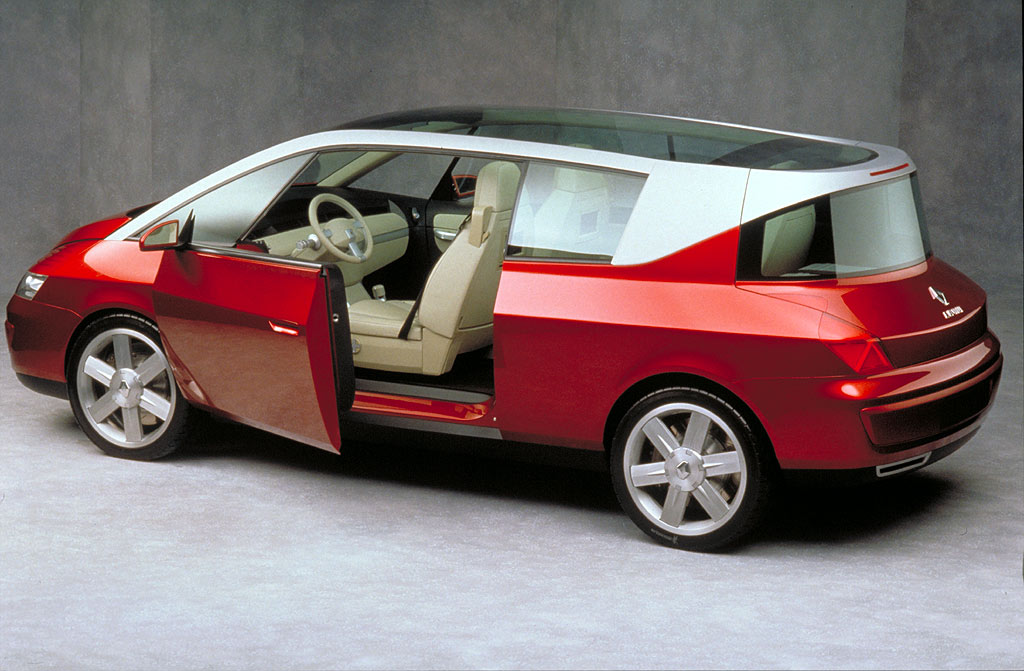
10. Renault Avantime — The Car That Refused to Speak the Industry’s Language
Context
A pillarless, high-roof coupé that collapsed categories into a single, unapologetically strange form when everyone else was retreating into safer silhouettes.
Why It Mattered
It rejected the idea that practicality must look timid, proving that usefulness and theatricality could share the same body.
Why It Failed
Renault mistook dealer discomfort for customer rejection and abandoned the idea rather than defend it.
What the Industry Lost
A visual vocabulary for everyday cars that did not rely on boredom as a default.
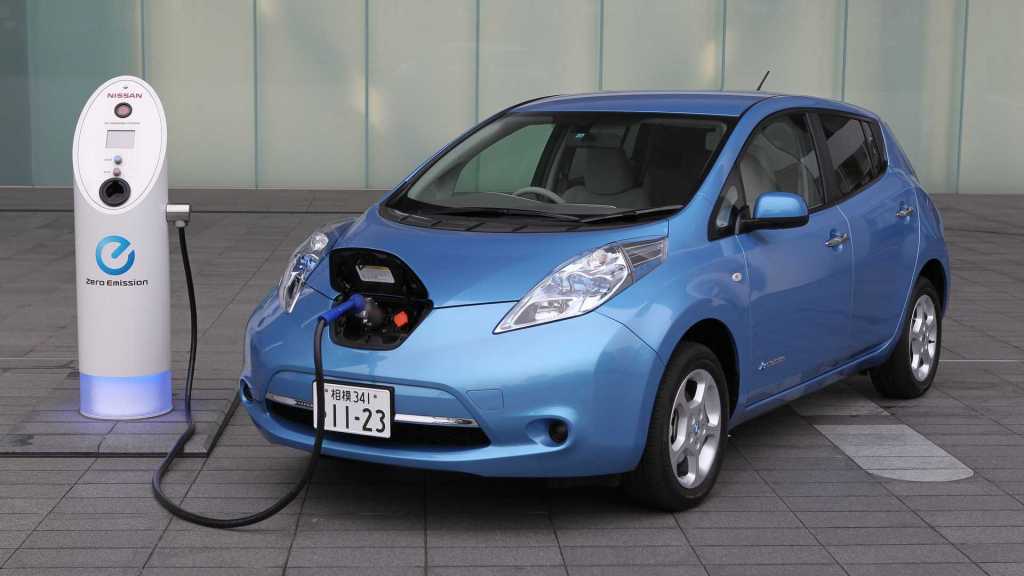
9. Nissan Leaf (First Generation) — The Appliance That Exposed the Industry’s Cheapness
Context
The first EV designed for normal households rather than early adopters with patience and disposable income.
Why It Mattered
It framed electrification as infrastructure — a quiet utility, not a moral crusade.
Why It Failed
Nissan prioritised cost over durability, knowingly releasing a product that would degrade faster than it should.
What the Industry Lost
The chance to establish trust in EVs at birth; instead, it normalised compromise.
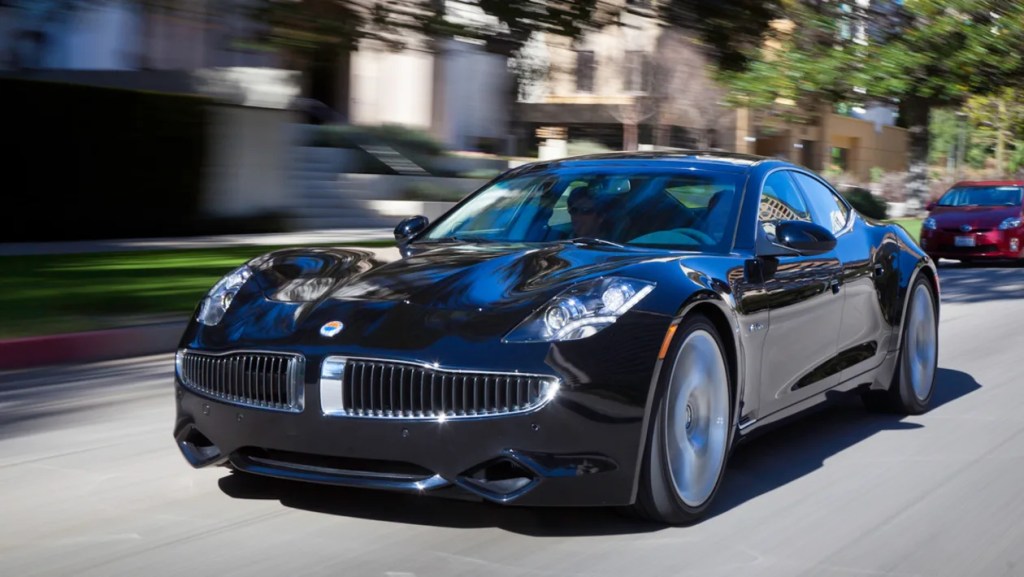
8. Fisker Karma — The Warning That Beauty Is Not a Business Model
Context
A seductive, range-extended electric luxury car that treated sustainability as something to be desired, not endured.
Why It Mattered
It proved that ecological technology did not need to look like penance.
Why It Failed
Aesthetic ambition outpaced engineering discipline and financial reality.
What the Industry Lost
An earlier reconciliation between luxury and responsibility — a cultural shift delayed by a decade.
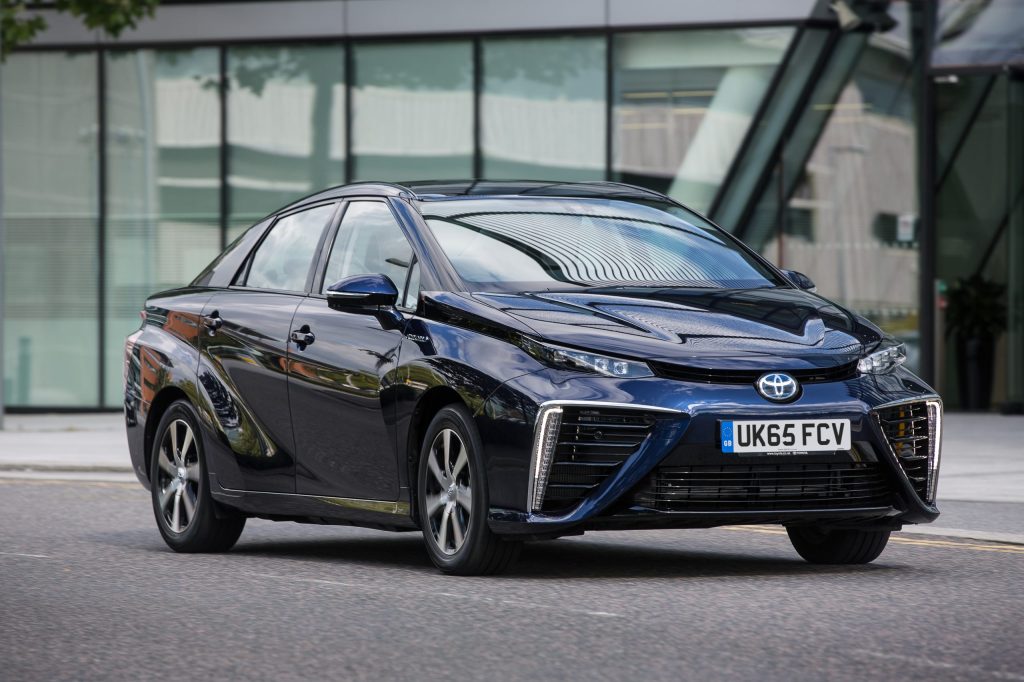
7. Toyota Mirai (First Generation) — The Future the World Refused to Build
Context
Toyota’s insistence that hydrogen, not batteries, should define electrification.
Why It Mattered
It challenged the emerging orthodoxy that “electric” had only one acceptable form.
Why It Failed
Infrastructure politics and global standardisation crushed its plausibility before it could mature.
What the Industry Lost
A pluralistic energy future; convenience replaced debate.
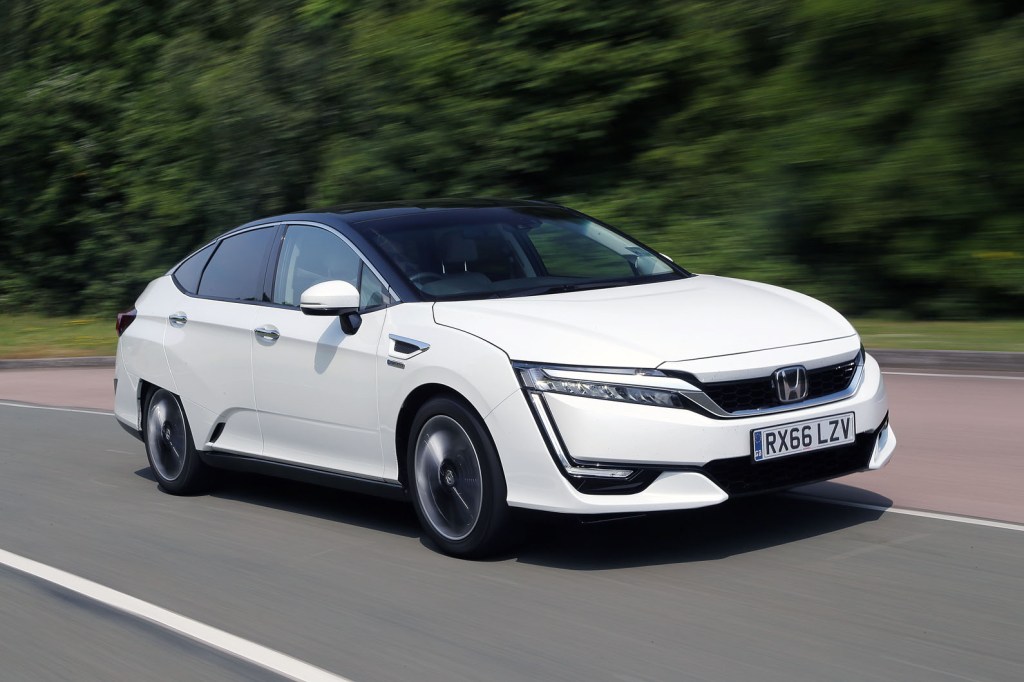
6. Honda FCX Clarity — The Most Rational Idea With No Constituency
Context
A quietly brilliant hydrogen car that treated fuel cells as an engineering inevitability rather than a marketing stunt.
Why It Mattered
It demonstrated that hydrogen could be refined, efficient, and usable without spectacle.
Why It Failed
Corporate patience evaporated faster than political will.
What the Industry Lost
A gradual, evidence-based evolution of alternative energy technology.
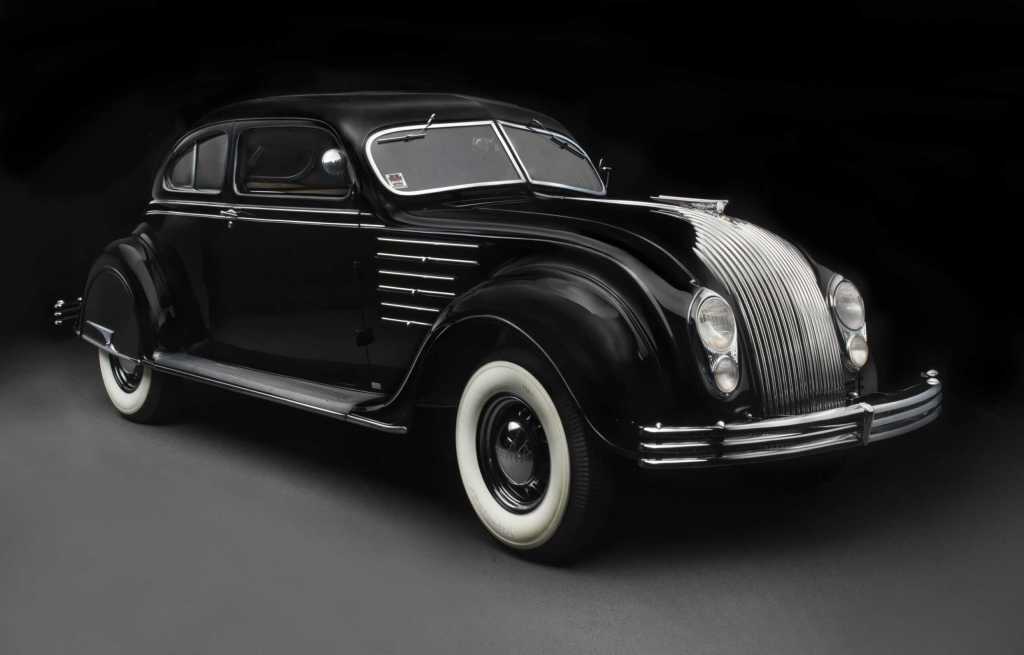
5. Chrysler Airflow (1934) — The First Crime Against Physics Corrected Too Late
Context
A radically aerodynamic car decades before the industry cared about drag.
Why It Mattered
It placed scientific reasoning above decorative excess at a time when cars were rolling furniture.
Why It Failed
Public insecurity about its appearance scared Chrysler into retreat.
What the Industry Lost
Half a century of earlier aerodynamic maturity.
4. Audi A2 — The Car That Treated Sustainability Like Engineering, Not Marketing
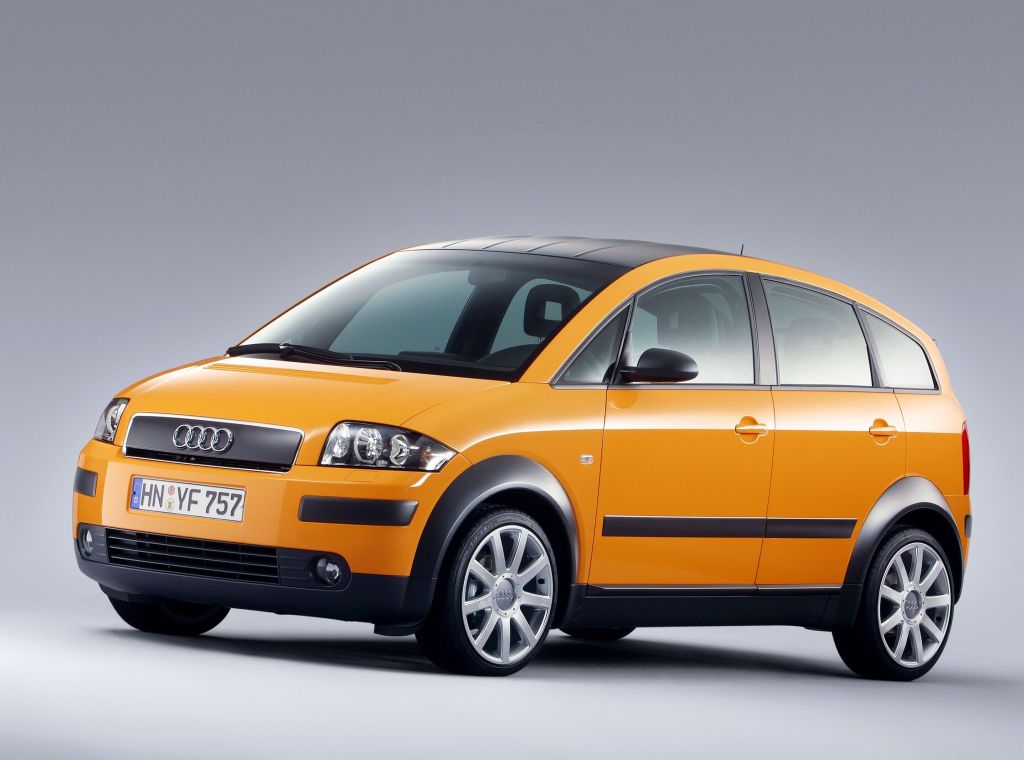
Context
A lightweight aluminium city car designed around longevity, efficiency, and minimal waste.
Why It Mattered
It proved that responsibility could feel premium rather than ascetic.
Why It Failed
It conflicted with Audi’s brand self-image, and identity won over logic.
What the Industry Lost
A model for durable, low-impact urban mobility.
3. Volkswagen XL1 — The Car That Obeyed Reality
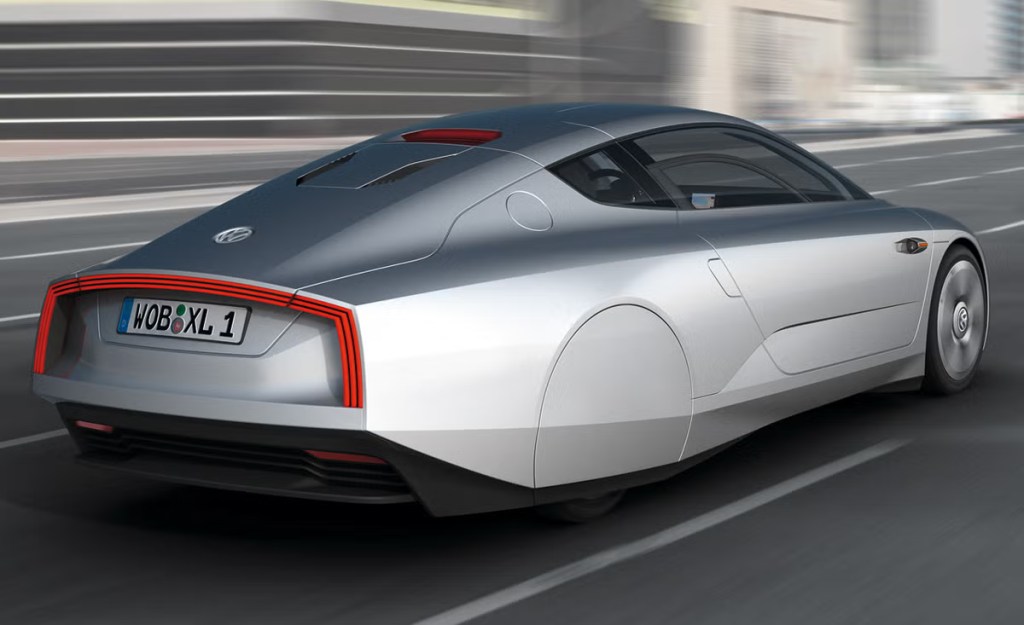
Context
A two-seat hybrid shaped exclusively by aerodynamics and efficiency.
Why It Mattered
It treated physics as non-negotiable, not optional.
Why It Failed
Volkswagen reduced it to a publicity exercise rather than a strategic direction.
What the Industry Lost
A design discipline that could have reshaped ordinary cars.
2. BMW i3 — The Last Time a Legacy Brand Acted Like It Believed in the Future
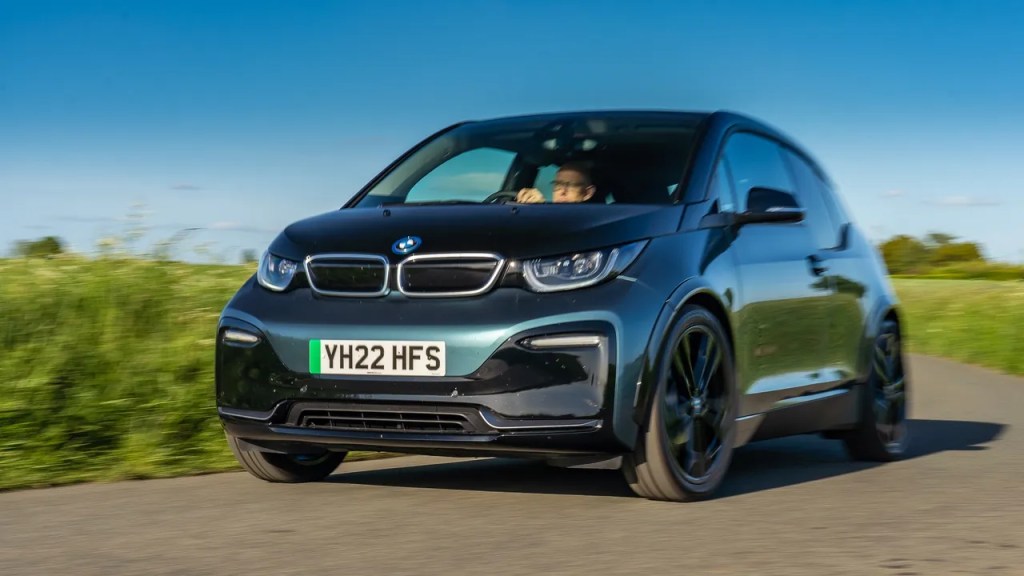
Context
A clean-sheet EV with carbon-fibre construction and a design that did not apologise for being different.
Why It Mattered
It treated electrification as an opportunity to rethink the entire automobile.
Why It Failed
BMW retreated to safer, adapted platforms rather than defend the revolution it started.
What the Industry Lost
Proof that reinvention was possible from within the establishment.
1. General Motors EV1 — The Future That Was Not Allowed to Exist
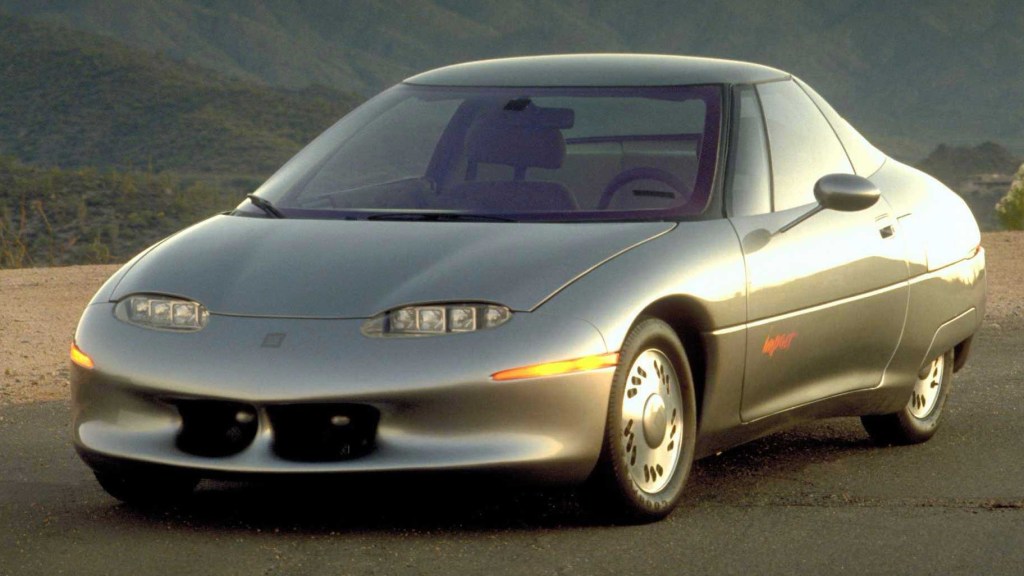
Context
A fully functional electric car in the 1990s, leased to real customers and then systematically destroyed.
Why It Mattered
It proved, decades early, that modern EVs were viable.
Why It Failed
Dealer resistance, oil lobbying, and GM’s fear of disrupting its own profits.
What the Industry Lost
Twenty years of technological progress, infrastructure development, and cultural acceptance — history itself was postponed.
Industry Pattern
The pattern is not accidental. Engineers optimise. Executives rationalise. Dealers obstruct. Shareholders demand comfort. The industry does not oppose the future — it smothers it with incrementalism until it no longer recognises itself.
Final Verdict

These cars did not fail because they were wrong.
They failed because they revealed an industry that understands the future — and is constitutionally incapable of choosing it.


 UNBUILT GARAGE
Leave a comment