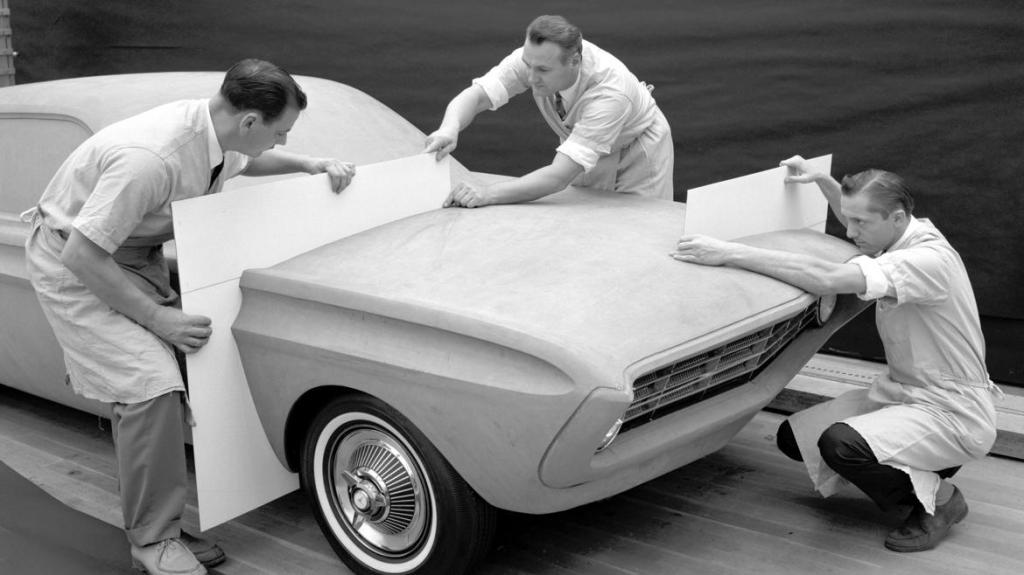
A ranking of cars that proved the industry is far braver with surfaces than it is with steering wheels.
Introduction
Modern cars are no longer embarrassed by contradiction. That is the uncomfortable truth sitting beneath this ranking.
For most of the twentieth century, tension between how a car looked and how it drove was treated as a failure — a design that over-promised, an engineering department that under-delivered, or a brand that had lost its way. Today, that tension has been normalised. It is no longer a bug in the system; it is the system.
We live in an era where cars are drawn by artists, validated by marketers, and only reluctantly interrogated by engineers. Styling has become the most politically powerful department in the building because it is the most immediately legible. A single photograph can sell a thousand units; a subtly brilliant chassis rarely moves the needle in a boardroom.
This ranking exists because the gap between appearance and behaviour is no longer random — it is structural. Electrification, modular platforms, safety regulations, and the tyranny of “brand consistency” have made cars heavier, more filtered, and more standardised. Meanwhile, design language has grown ever more theatrical to compensate. The result is a fleet of machines that look like they want to bite, but drive like they’ve been put on a leash.
The deeper issue is philosophical. When a car looks athletic, sculpted, or feral, it makes a promise about how it will treat you once you are inside it. Breaking that promise isn’t merely disappointing; it is revealing. It tells you what the industry truly values: scale over specificity, control over character, risk management over risk-taking.
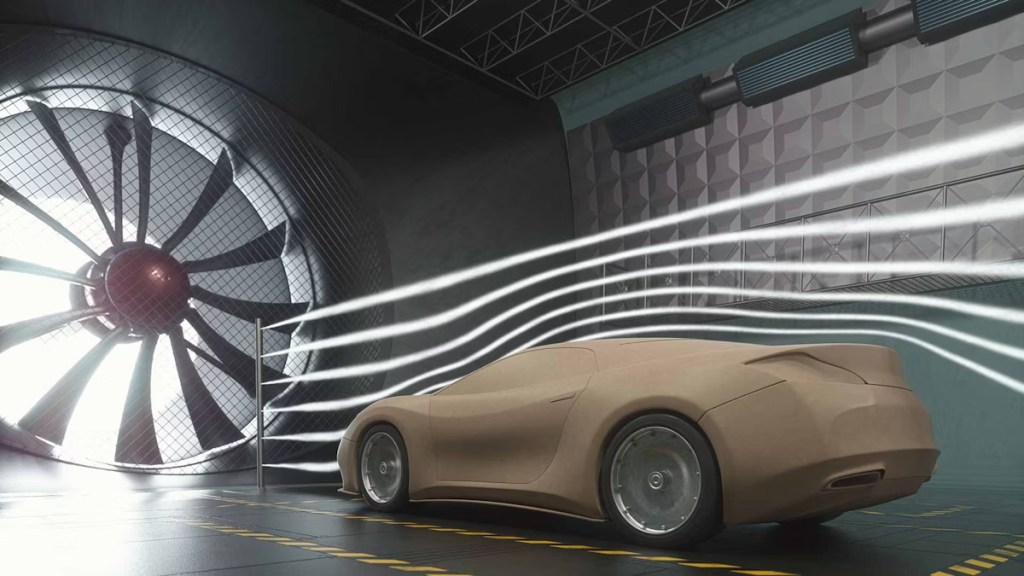
None of the cars here are catastrophes. Many are technically competent. Some are commercially successful. A few are even brilliant in isolation. But taken together, they expose the great unspoken compromise of modern car-making — that it is now acceptable for a car to be a work of visual theatre and a piece of emotional anaesthesia at the same time.
This is not a consumer guide. It is an autopsy of priorities. Each entry below is less about the car itself and more about what its existence says about how cars are conceived, approved, and sanitised before they ever reach a public road.
If this ranking makes you slightly uneasy, that is the point. Because the uncomfortable conclusion is not that these cars disappointed us — it is that the industry trained us to expect nothing more.
Ranking Method
These cars are ordered by the moral weight of their failure, not the size of it. The further up the list you go, the more each car ceases to be an individual misstep and becomes evidence of a wider industry mindset.
Priority is given to vehicles where the aesthetic promise was dramatic, the dynamic retreat was deliberate, and the reasons for that retreat expose corporate fear, platform dogma, or brand cowardice. Lower entries are localised disappointments; higher entries are systemic indictments.
The Ranking
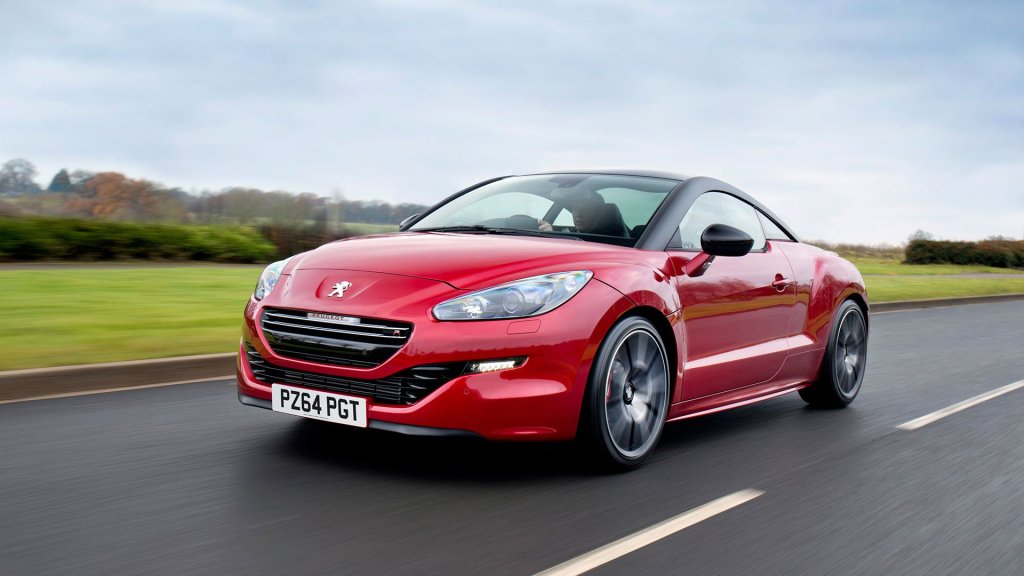
10. Peugeot RCZ
Context
A mainstream brand built a coupé that looked like it belonged on a concept stand rather than a dealer forecourt. The RCZ’s double-bubble roof and sculpted haunches suggested something lithe, purposeful, and rare.
Why It Mattered
It proved that visual daring was not the exclusive domain of premium marques. In design terms, it was an act of rebellion from a company better known for practicality.
Why It Failed
Underneath, it was little more than a dressed-up hatchback platform, tuned for safety and ease rather than sparkle. The car was designed by stylists and signed off by accountants.
What the Industry Lost
A genuinely affordable driver’s icon — and a reminder that beauty should demand, not excuse, engineering bravery.
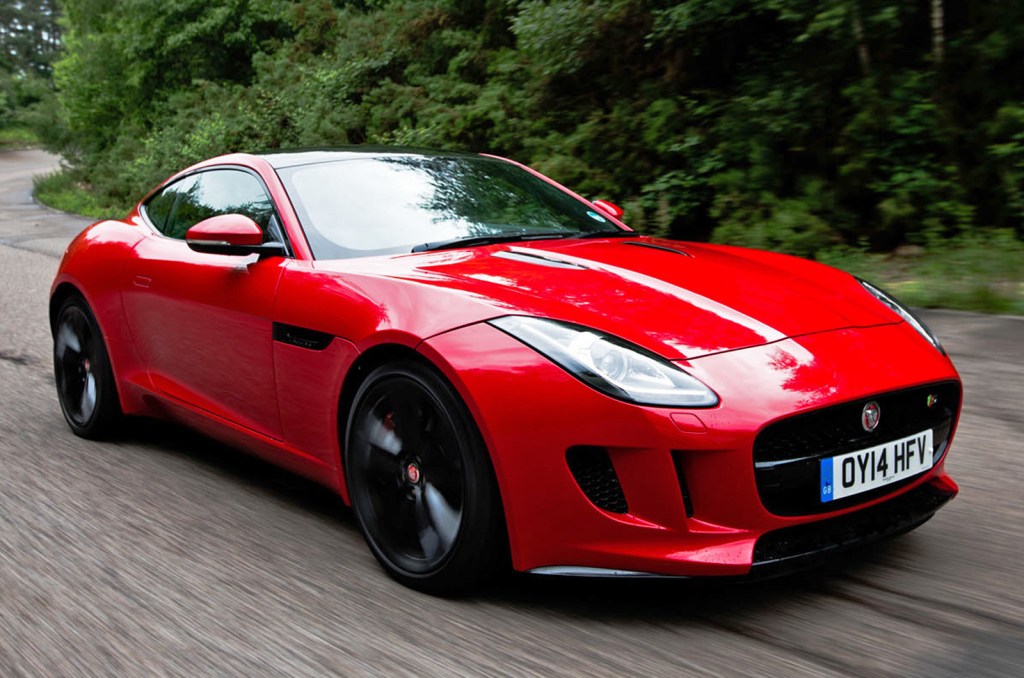
9. Jaguar F-Type (early V6)
Context
Arriving with proportions that snarled even at a standstill, the F-Type looked like a car that would physically intimidate the horizon.
Why It Mattered
It was Jaguar’s attempt to reclaim emotional, instinctive performance after years of corporate decorum.
Why It Failed
In V6 guise, it felt filtered and softened, as if Jaguar feared that actual excitement might frighten its customer base.
What the Industry Lost
Proof that a luxury brand could still tolerate rawness — and instead normalised the idea that aggression should stop at the bodywork.
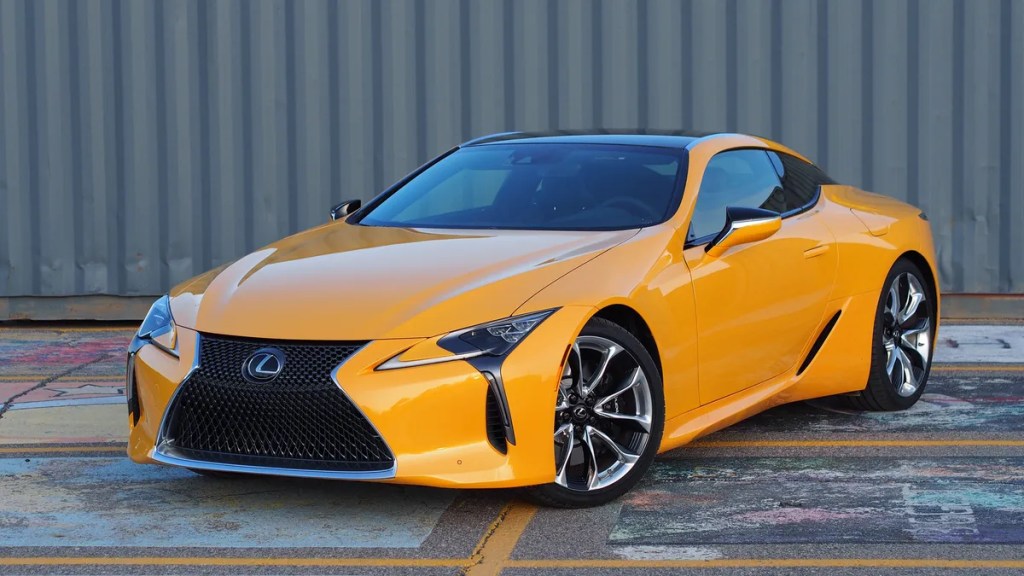
8. Lexus LC 500
Context
A production car that appeared to have slipped straight off a motor show turntable, the LC looked like pure artistic intent made metal.
Why It Mattered
It challenged the stereotype of Lexus as a manufacturer of beautifully built, emotionally sterile appliances.
Why It Failed
The car’s weight and comfort-first philosophy smothered the kind of interaction its design seemed to beg for.
What the Industry Lost
A halo car that could have redefined what a luxury grand tourer felt like — rather than what it merely looked like.
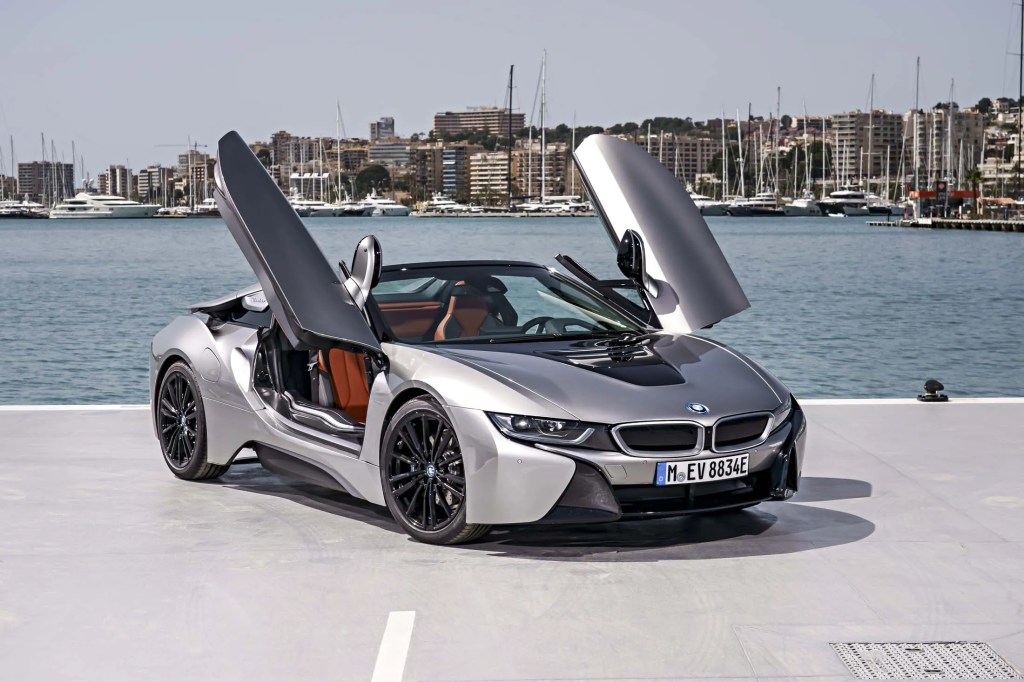
7. BMW i8
Context
Half supercar fantasy, half engineering manifesto, the i8 was marketed as the future in motion.
Why It Mattered
It framed hybrid technology as aspirational rather than apologetic, a crucial cultural shift.
Why It Failed
Its dynamics felt synthetic and modest compared to its outrageous appearance, as if BMW had designed a poster first and a driver’s car second.
What the Industry Lost
A defining template for electrified driver engagement — replaced by spectacle without soul.
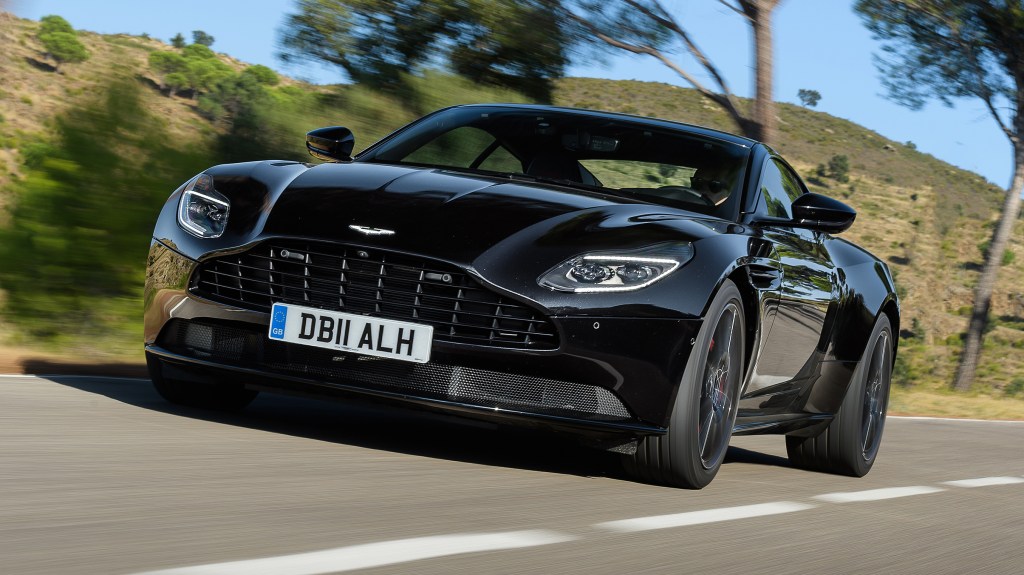
6. Aston Martin DB11 (early V8)
Context
Impossibly sleek and impeccably proportioned, the DB11 looked like effortless speed carved into aluminium.
Why It Mattered
It was meant to signal a modern rebirth of Aston Martin — elegance with edge.
Why It Failed
Early V8 models were tuned for serenity, not sensation, blunting the very character the brand trades on.
What the Industry Lost
A reminder that refinement should sharpen, not dilute, a driver’s relationship with a car.
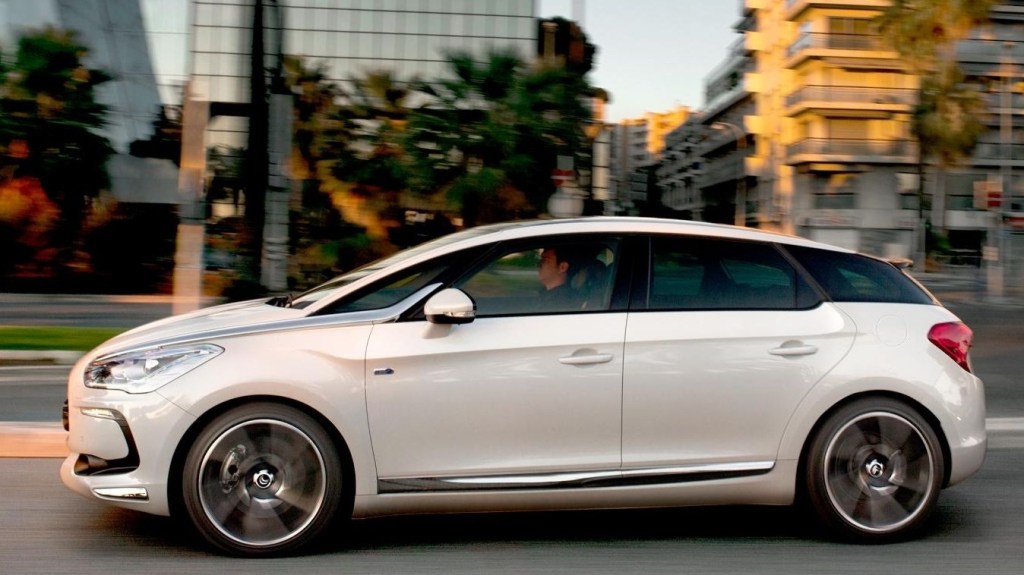
5. Citroën DS5
Context
A rolling provocation — glass roof, avant-garde lines, and an interior that felt closer to sculpture than upholstery.
Why It Mattered
It channelled Citroën’s historic reputation for engineering eccentricity and design audacity.
Why It Failed
The driving experience was blandly conventional, as if Citroën had lost its nerve the moment the concept left the studio.
What the Industry Lost
A modern expression of French engineering weirdness — sacrificed on the altar of global market acceptability.
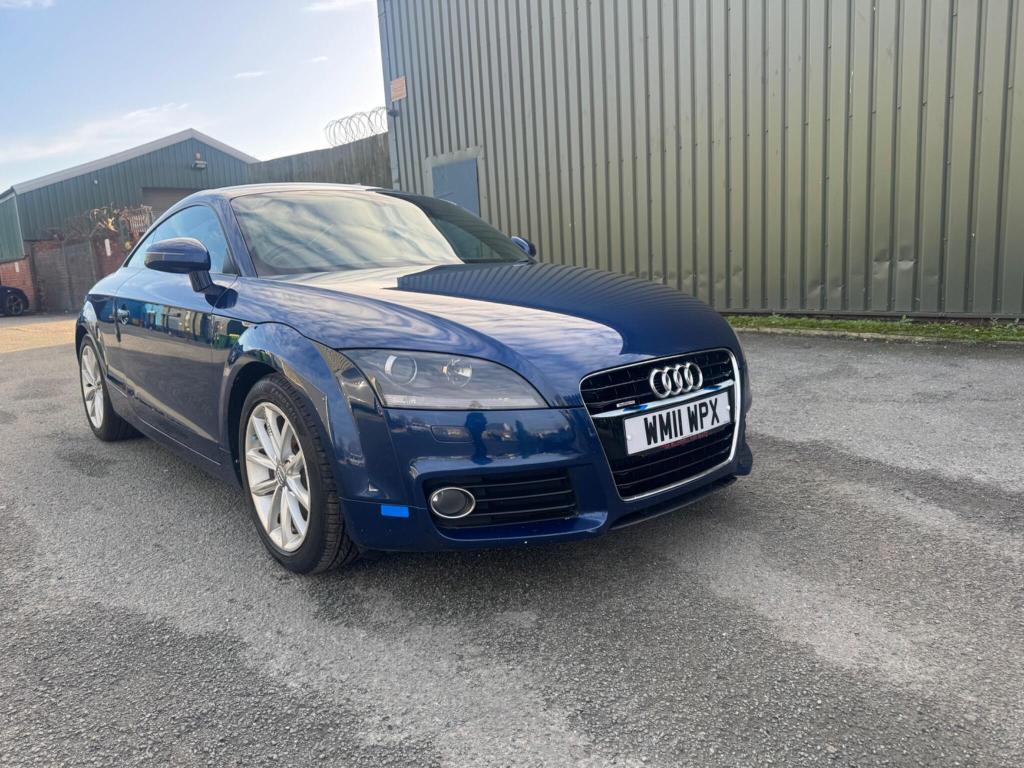
4. Audi TT (Mk2)
Context
A masterpiece of minimalist design, so perfectly resolved it looked almost inevitable.
Why It Mattered
It showed how clean, disciplined aesthetics could define an entire era.
Why It Failed
Dynamically, it was insulated and controlled to the point of emotional detachment — a car obsessed with stability over sensation.
What the Industry Lost
The chance to prove that timeless design could coexist with thrilling driving, rather than replacing it.
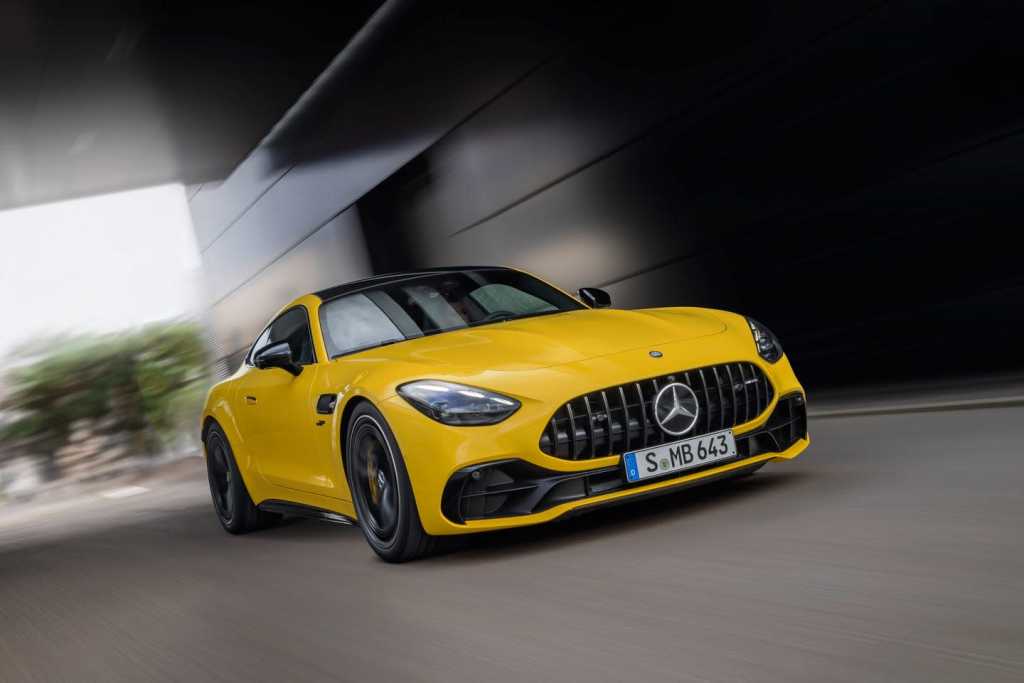
3. Mercedes-AMG GT 43/53 (four-cylinder era)
Context
Styled like a full-blooded AMG sports car, these variants carried the same aggressive proportions and visual threat.
Why It Mattered
They expanded the reach of the AMG aesthetic into everyday luxury.
Why It Failed
Hybrid complexity and brand positioning softened the experience into something more corporate than compelling.
What the Industry Lost
A clear boundary between performance imagery and performance intent — and with it, a chunk of AMG’s credibility.
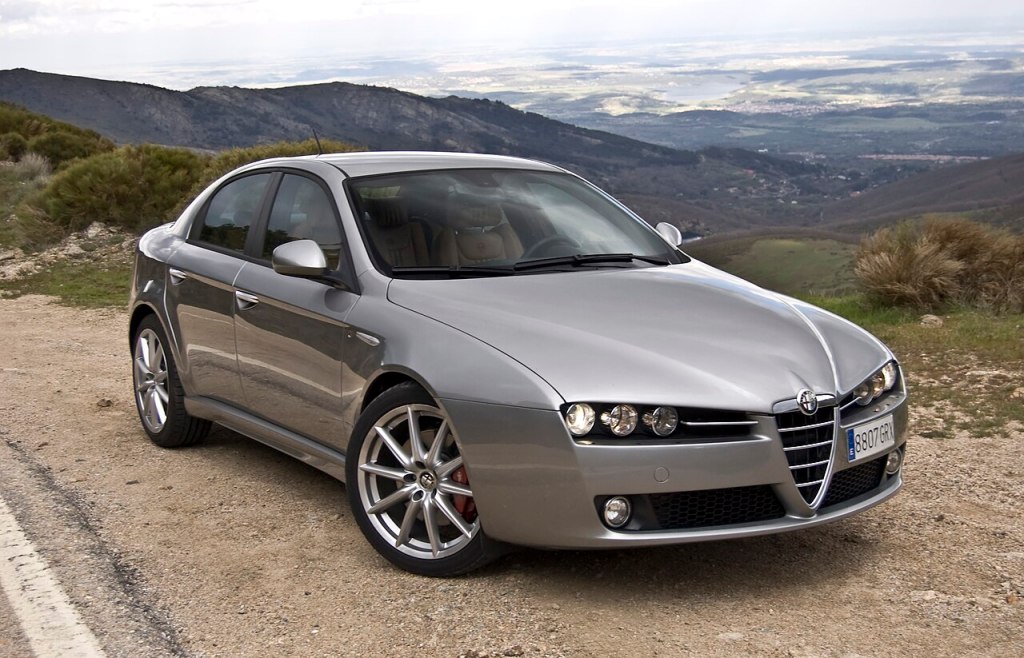
2. Alfa Romeo 159
Context
Arguably one of the most beautiful saloons ever made, a car that looked sculpted rather than stamped.
Why It Mattered
It suggested that Alfa Romeo could combine visual passion with modern engineering.
Why It Failed
A bloated platform strangled its agility, making the car feel heavy where it looked light.
What the Industry Lost
A powerful case for lightness as the foundation of sporting character — a lesson the industry still refuses to relearn.
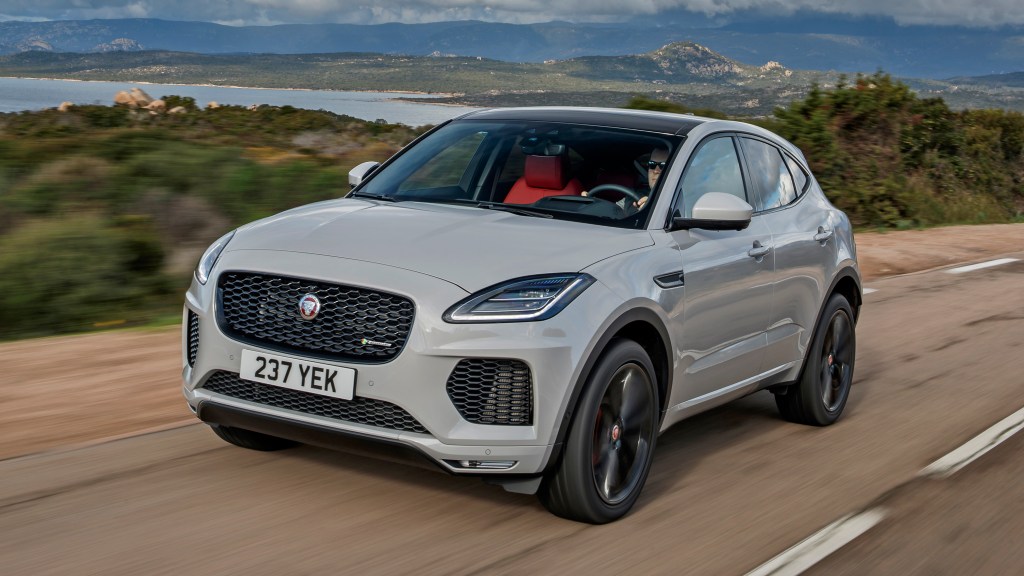
1. Jaguar E-Pace
Context
A compact SUV dressed up like a shrunken F-Type, all prowling lines and athletic stance.
Why It Matters
It represented Jaguar’s most naked attempt to graft sports-car imagery onto a family crossover.
Why It Failed
Built on a front-drive-derived platform, it drove like a sensible appliance wearing a leopard skin coat.
What the Industry Lost
The definitive answer to what a genuinely driver-focused Jaguar SUV could have been — replaced by a case study in market fear overriding brand identity.
This is not merely a bad car; it is a perfect expression of the industry’s deepest anxiety: that authenticity must be sacrificed to scale.
Industry Pattern: The Architecture of Disappointment
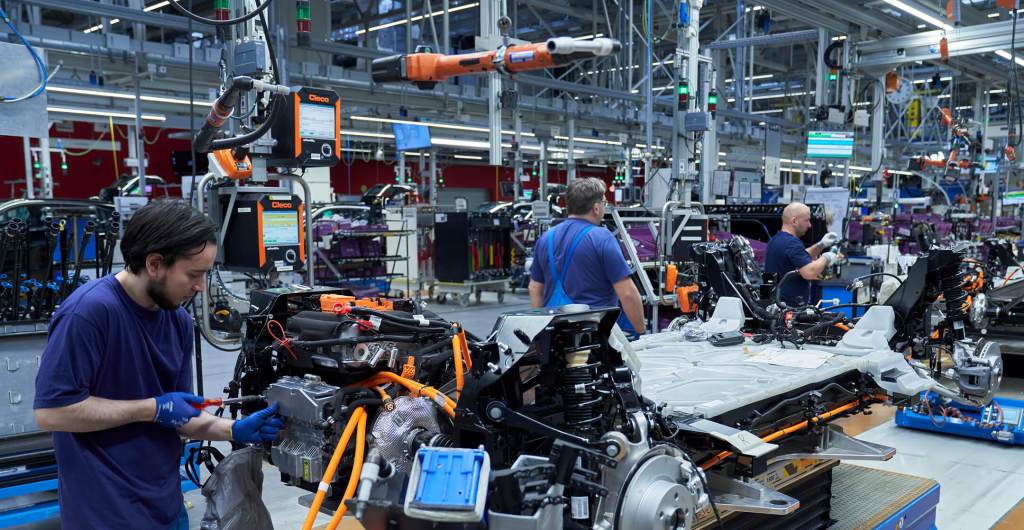
Three forces repeatedly appear across this list:
- Platform Tyranny — Cars are designed around shared architectures first and driving character second.
- Marketing Primacy — Styling is treated as the product; dynamics are treated as optional refinement.
- Risk Aversion — Brands fear alienating the broad middle far more than they fear betraying their own identity.
The tragedy is not that good ideas die — it is that they are never allowed to live fully in the first place.
Final Verdict
These cars did not fail because their makers lacked talent. They failed because the industry no longer trusts itself to be interesting.
Until manufacturers accept that a car must behave as boldly as it looks, we will continue to be surrounded by machines that are dazzling to see — and strangely empty to drive.
These cars didn’t disappoint us. They revealed what the industry has become comfortable with.

 UNBUILT GARAGE
Leave a comment