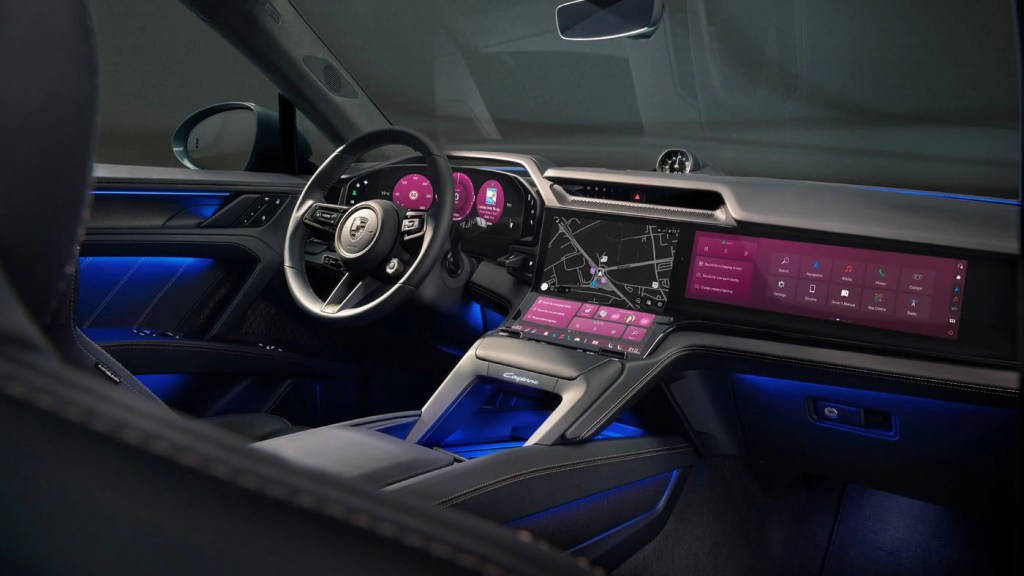
We were sold autonomy on four wheels — and quietly handed a device that asks for approval before it obeys
The Opening: The Big Idea
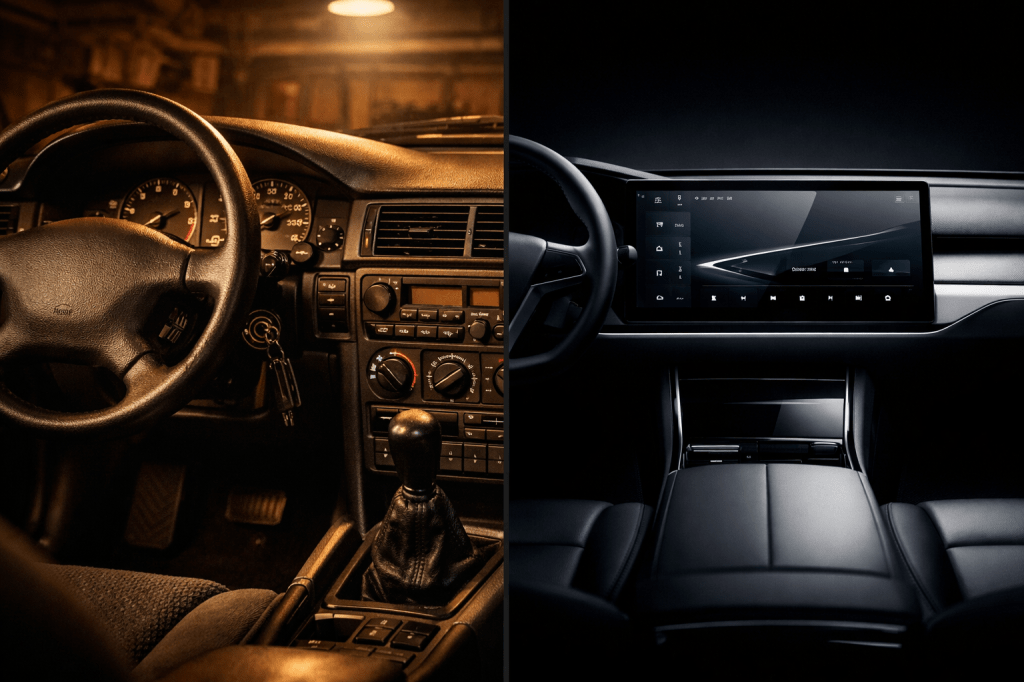
There was a time when buying a car felt like acquiring an object that belonged to you in the most literal sense. You handed over money, you received a machine made of steel, rubber, glass and oil, and from that moment onward it was yours in a way that felt final and uncomplicated. You could crash it, repair it, modify it, neglect it, or drive it into the ground; whatever happened next was between you and your own judgement.
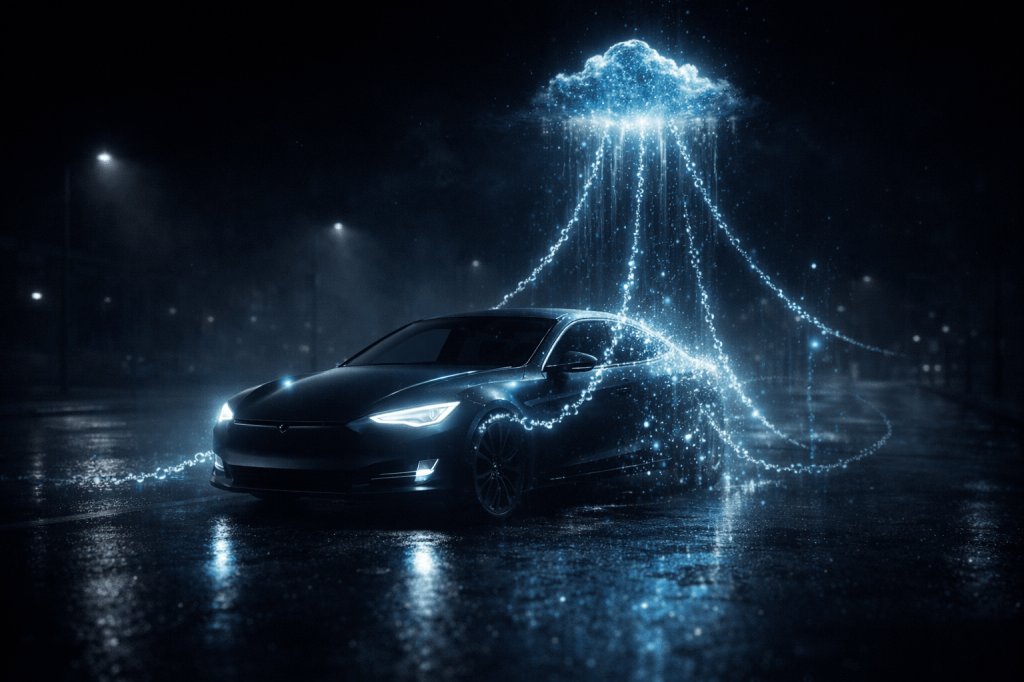
The modern car presents itself as the same transaction, but it isn’t. Look closely and you realise that what you are actually purchasing is less a machine and more a mobile platform — a rolling ecosystem of software, data, services, updates and permissions that happens to be wrapped in sheet metal. You don’t so much buy it as subscribe to its continued cooperation.
This is not an obvious shift. The industry has been far too subtle for that. The transformation has crept in beneath the dashboard, through hidden lines of code, buried in legal language no one reads, and polished with marketing that speaks of “seamless experiences” rather than control. The physicality of the car — the weight of the door, the smell of leather, the mechanical whirr of an engine — reassures us that nothing fundamental has changed. But underneath, the rules of ownership have been quietly rewritten.
Modern cars are designed to live in permanent conversation with their manufacturers. They send data. They receive instructions. They update themselves while you sleep. Features you paid for can be activated later for a fee, or deactivated without your consent. What looks like a finished product behaves more like a service that you are granted access to, provided you continue to play along.
And that is what should make you slightly uneasy. Because if your car is a platform rather than a possession, then your relationship with it is no longer one of ownership — it is one of conditional access.
The Invisible Contract
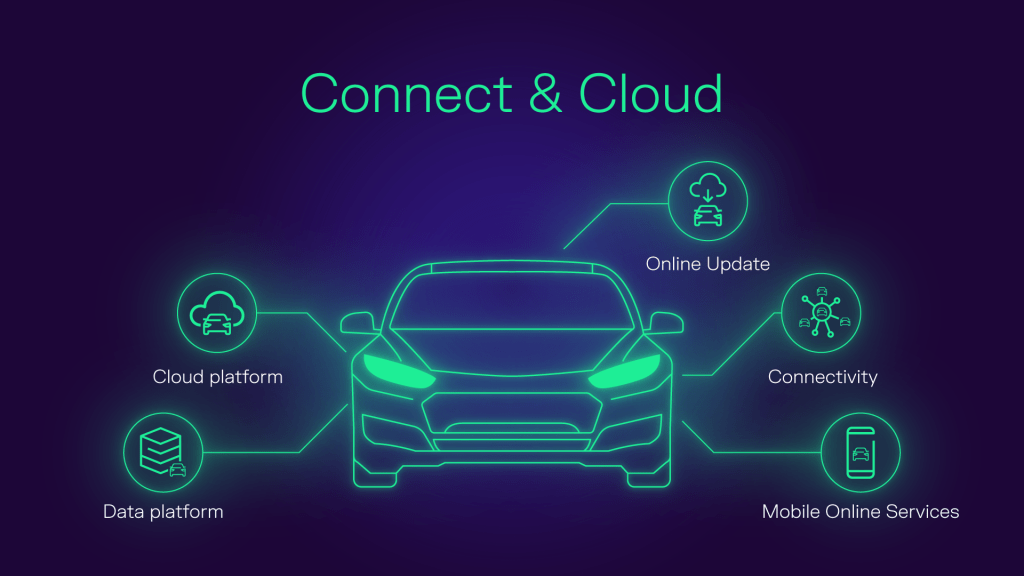
On the surface, nothing seems different. You still receive keys, a logbook, and a set of tyres that meet the road. But beneath that familiarity lies an invisible contract: you own the shell, but the manufacturer retains meaningful control over the soul.
Software now governs almost everything. Throttle responses, steering feel, gearbox behaviour, stability systems, even the sound of the engine through speakers — all are mediated by code. That in itself is not sinister. What matters is who ultimately controls that code.
In many modern vehicles, features can be switched on or off remotely. Heated seats that were physically installed in your car can be locked behind a subscription. Performance modes can be time-limited. Infotainment systems can be updated, altered, or — if a company decides — gradually abandoned. Your car is no longer a static object; it is an evolving one, subject to decisions made long after you signed the purchase agreement.
This changes the philosophy of ownership in a profound way. In the past, if something was in your car, it was yours forever unless you chose otherwise. Today, possession is conditional. You may hold the steering wheel, but a distant server retains the final say over what your car is allowed to do.
The result is a peculiar imbalance. The manufacturer remains permanently present in your ownership experience, while you — the paying customer — are reduced to a long-term user of a product that never fully leaves the company’s grasp.
How Design Hides the Trap
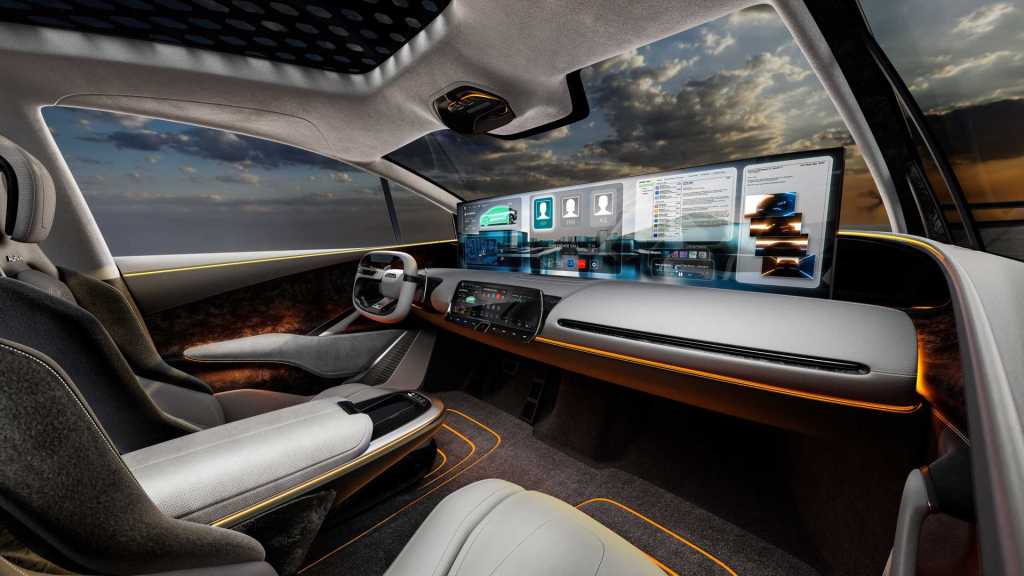
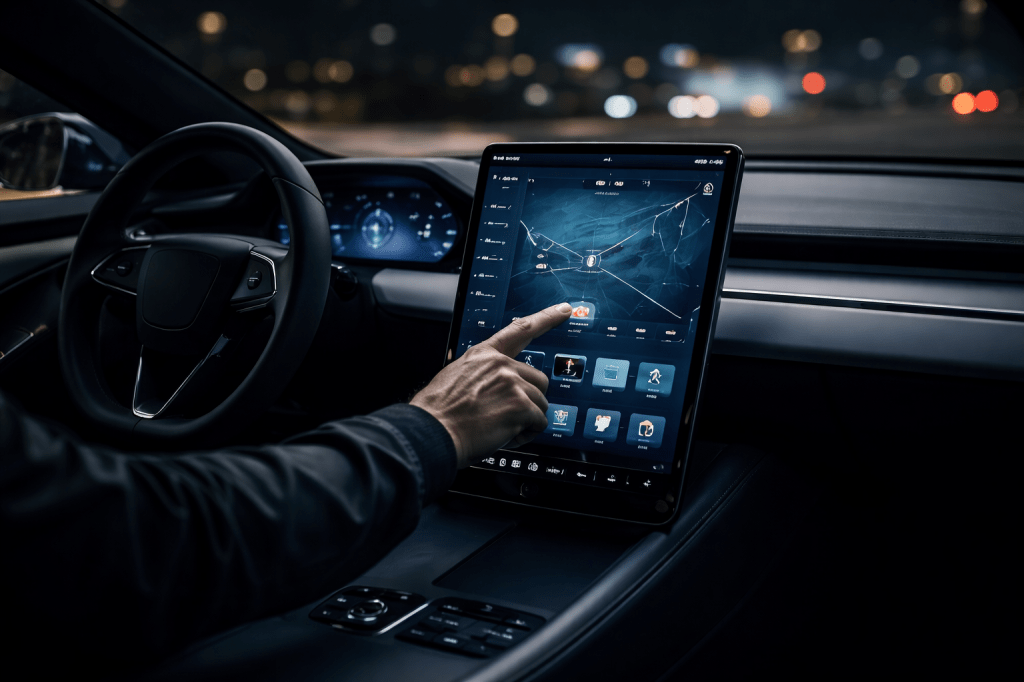
Modern automotive design is clever, and not always in a way that benefits the driver. Minimalist interiors, with their clean lines and vast touchscreens, are presented as the future — elegant, intuitive, liberated from the clutter of buttons and dials. But that aesthetic smoothness comes at a cost.
By moving nearly every function onto a central touchscreen, control is concentrated into a single digital interface. It looks progressive; in reality, it makes the car more dependent on software than ever before. If the screen fails, your access to basic functions can vanish. If the system lags, your interaction with the vehicle becomes frustrating. And if the manufacturer decides to alter the interface, your familiarity with your own car becomes obsolete overnight.
Even the mechanical side of design has shifted. More components are sealed, glued, or integrated in ways that make independent repair difficult or impossible. This is often justified as improving safety or efficiency, but it conveniently ensures that ownership remains tethered to authorised service centres.
The genius of it all is that the trap is wrapped in futurism. Glass surfaces, ambient lighting, and digital dashboards make dependence feel like innovation. The loss of mechanical autonomy is disguised as technological progress, and most of us accept it without much resistance.
The Shift from Mechanics to Permissions
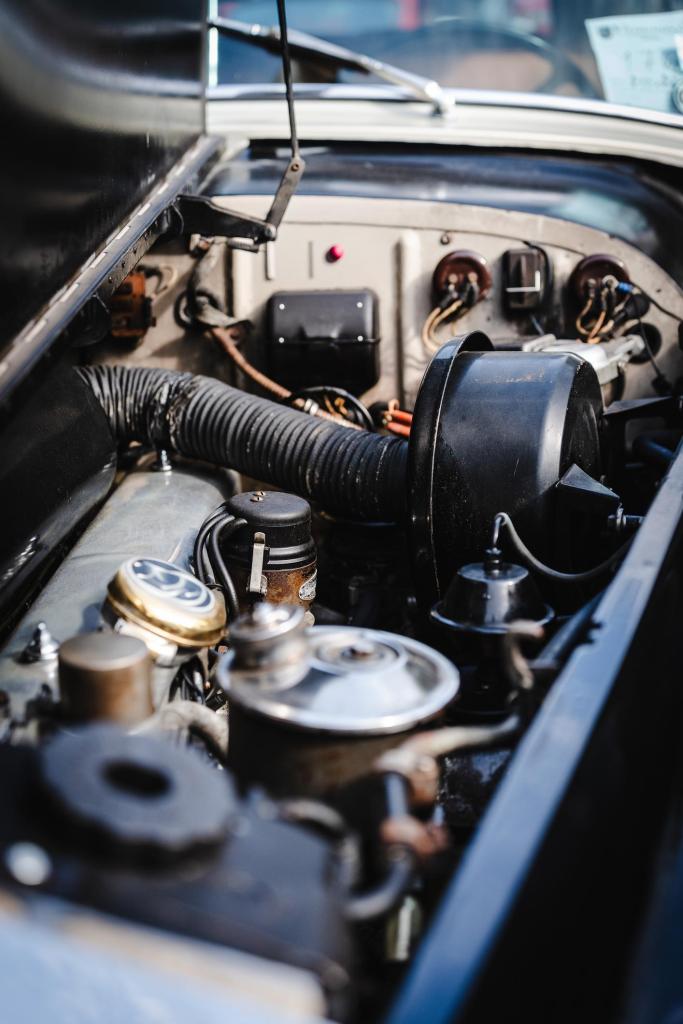
Once upon a time, owning a car meant mechanical freedom. If something broke, you could — in theory — fix it yourself. If you wanted to modify it, you could. The relationship was tactile, understandable, and fundamentally yours.
Today, ownership increasingly means digital permission. You may physically possess the vehicle, but its capabilities are mediated by software you do not control. Want to tweak performance? You may need official tools. Want to repair something yourself? You may be locked out by encrypted systems. Want to keep your car running as it was when new? You are dependent on continued manufacturer support.
Older cars felt like extensions of their drivers — machines that responded directly to human input. Modern cars feel more like highly intelligent devices that tolerate you behind the wheel. The steering wheel remains, but the personality of the machine is shaped elsewhere.
Independent repair has become collateral damage in this transition. What was once a thriving culture of garages, tinkerers, and home mechanics is now fighting against proprietary software, restricted diagnostics, and deliberately opaque systems. The message is clear: you may drive the car, but you do not truly control it.
And who benefits? The manufacturers, of course. Greater control means greater leverage, longer revenue streams, and a deeper, more permanent relationship with every customer.
The Financial Trap
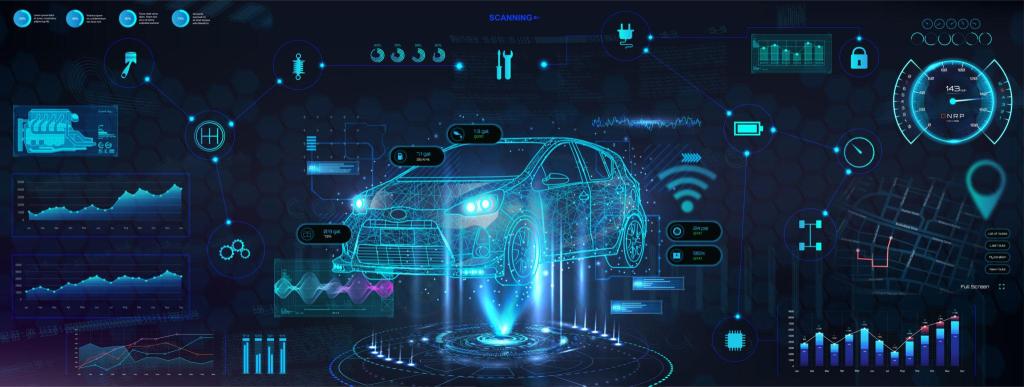
This is not merely about control; it is also about money — though not in the crude, obvious way of a corporate cash grab. The modern car is engineered for ongoing expenditure rather than a single transaction.
Subscription features have become normalised: heated seats, advanced driver assistance packages, premium infotainment services. Over-the-air updates promise improvement, but they also reinforce the idea that your car is never truly finished. Proprietary parts and systems ensure that servicing often funnels you back to the dealership.
Even warranties and service plans are structured to keep you within the brand’s ecosystem. The result is a vehicle that feels less like a one-time purchase and more like a long-term financial relationship.
None of this is framed as exploitation. It is presented as convenience, innovation, and peace of mind. But the underlying reality is that modern cars are designed to generate revenue long after they leave the showroom floor.
What This Does to the Idea of a Car
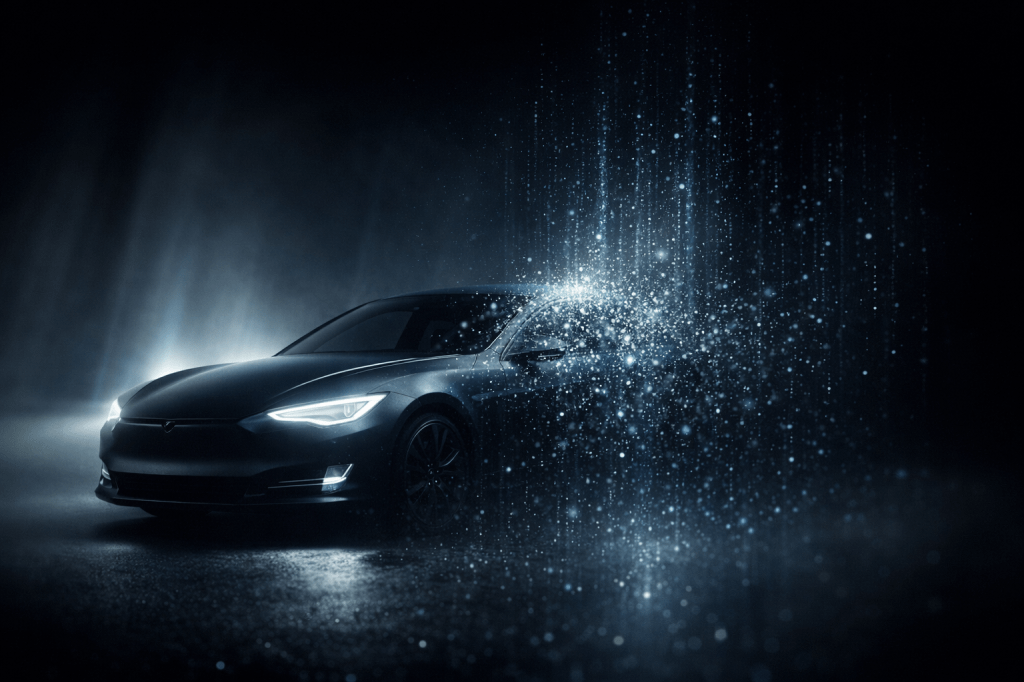
If a car depends on software to function, is it still simply a machine, or has it become something closer to a smartphone on wheels? If features you paid for can be removed, were they ever truly yours? And if a manufacturer can alter your vehicle remotely, who really holds the ultimate ownership?
These are not abstract questions; they strike at the heart of what a car represents. For decades, automobiles symbolised independence, mobility, and personal freedom. They were tools of escape, adventure, and self-expression.
But when a car becomes a connected platform, that symbolism starts to shift. Instead of autonomy, you get interdependence. Instead of permanence, you get conditional access. Instead of personal freedom, you get participation in a controlled ecosystem.
The modern car is still impressive — faster, safer, cleaner, and more capable than ever. Yet something essential has been diluted: the feeling that the machine belongs to you in a deep, unquestionable way.
Industry Logic vs Driver Reality
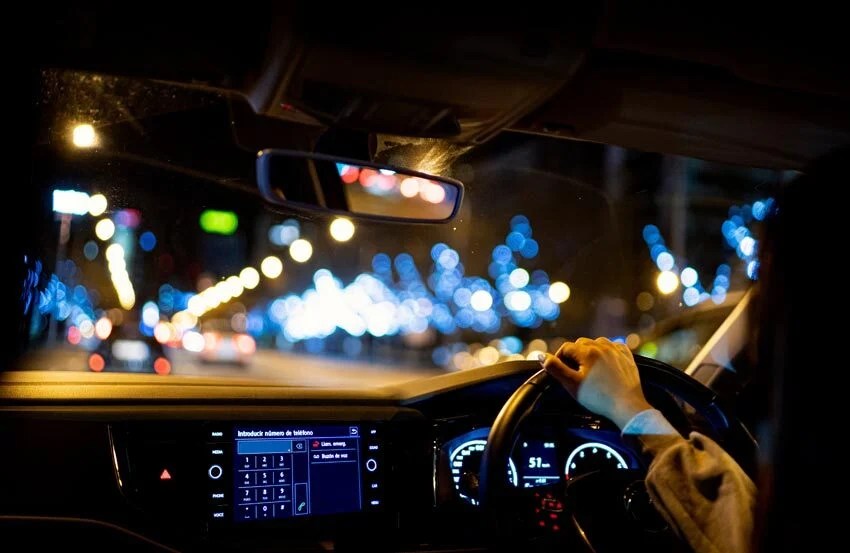
Manufacturers will tell you that all of this is for your benefit. They speak of safety, efficiency, and seamless integration. They argue that software makes cars smarter, that connectivity prevents accidents, that updates improve performance.
From a certain perspective, they are right. Modern vehicles are extraordinary feats of engineering and computing. But this official narrative rarely aligns perfectly with the lived experience of drivers.
Instead of simplicity, many encounter complexity. Instead of empowerment, they feel dependent. Instead of clarity, they face layers of menus, subscriptions, and opaque systems. The car that was meant to make life easier can sometimes feel like another digital burden to manage.
This is not a rejection of progress; it is a reminder that innovation is not neutral. Every technological advance reshapes power, responsibility, and control — and in the case of modern cars, that balance has shifted away from the driver.
Three Reality-Check Questions
- If your car can refuse to perform a function you paid for, is it really yours?
- If ownership requires continuous software approval, where does control truly reside?
- If a machine becomes a service, is the driver still the owner — or merely a customer?
Final Verdict
The modern car is a marvel, but it is not the emancipating machine it pretends to be. We have traded mechanical independence for digital convenience, and in doing so we have quietly surrendered a measure of control that previous generations took for granted.
Manufacturers have not abolished ownership — they have redefined it. What once meant possession now means access; what once meant freedom now means participation in a carefully managed system.
In the end, the most uncomfortable truth is this: the car has not evolved to serve us more completely. It has evolved to keep us more closely tethered.
The modern car has not set us free. It has simply made the chains invisible.
 UNBUILT GARAGE
Leave a comment