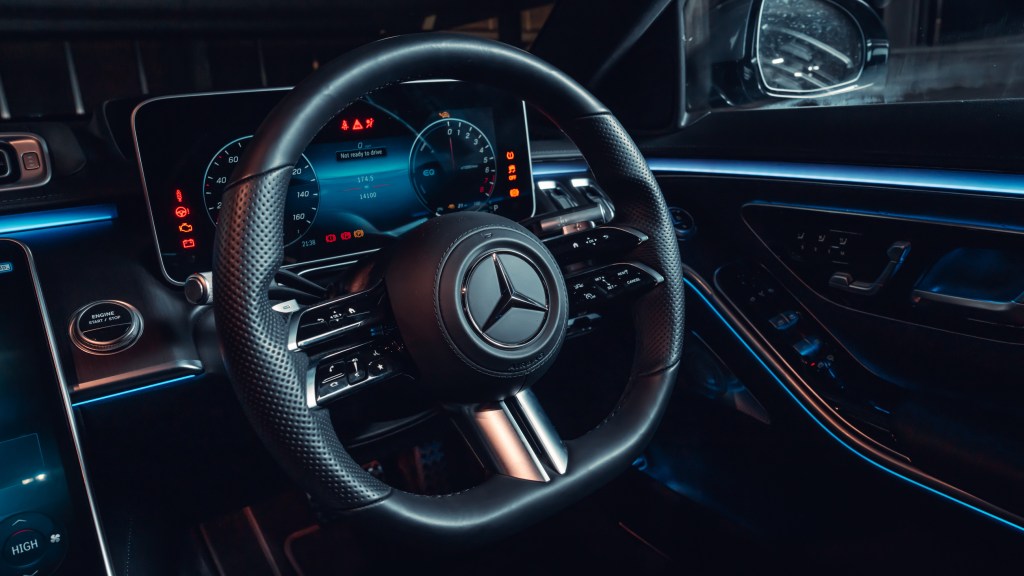
They didn’t take control from you. You handed it over.
Introduction
Modern cars are not the way they are because regulators demanded it, lawyers insisted on it, or engineers forgot how to build engaging machines.
They are the way they are because drivers asked for it — slowly, repeatedly, and often without realising what they were trading away.
Every warning chime, every default-on assist, every system that refuses to stay switched off exists because, somewhere along the line, people decided they preferred protection to responsibility. They wanted fewer surprises, fewer consequences, and fewer moments where skill actually mattered.
So the industry responded. Rationally. Efficiently. Profitably.
The uncomfortable truth is this: modern cars are not designed against drivers. They are designed around what drivers proved they wanted — certainty, reassurance, and insulation from their own decisions.
Regulation didn’t remove the driver from the centre of the experience. It formalised what the market had already voted for.
Brand DNA vs the Concept
Manufacturers still talk about “driver focus” because abandoning that language entirely would be commercial suicide. But the meaning has quietly changed.
Driver focus used to mean clarity of response. Mechanical honesty. A sense that your inputs mattered. Now it means ensuring the driver is never overwhelmed, startled, or required to think too far ahead.
This is not a failure of imagination. It is a response to behaviour.
When customers complain that a car is “twitchy,” brands soften it. When reviewers praise stability over feel, calibration follows. When buyers choose safety ratings over steering quality, development priorities realign.
Brand DNA survives only where the market actively rewards it. Everywhere else, it is diluted into surface details — drive modes, sound profiles, marketing language — while the core experience is standardised.
Not because brands forgot who they are.
Because remembering stopped paying.
Design Implications
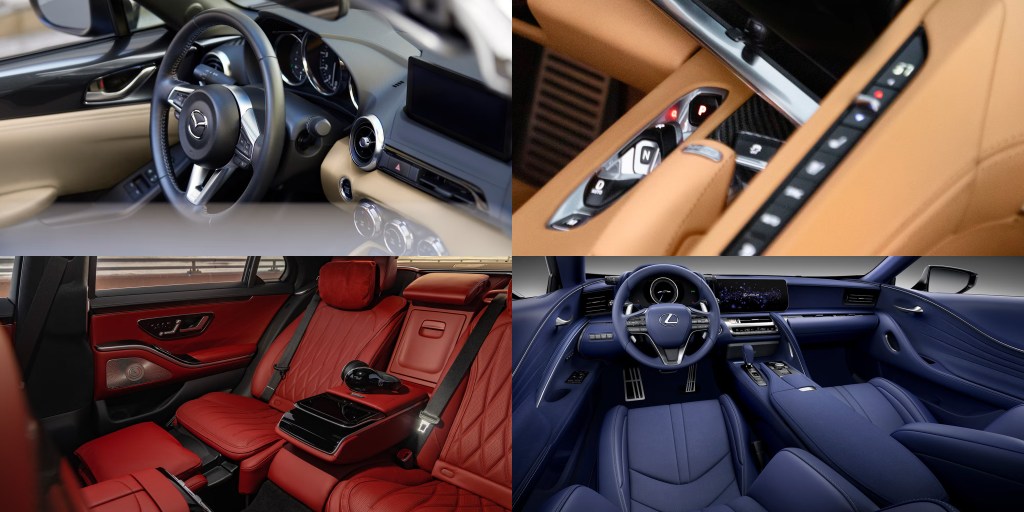
Once you accept that drivers prefer mediation over mastery, the physical shape of modern cars becomes inevitable.
Cars grow heavier because weight feels reassuring. Sightlines shrink because cameras promise to compensate. Pillars thicken because structural certainty matters more than visibility. Feedback disappears because feedback can surprise — and surprise is now treated as a flaw.
Design is no longer about communication between machine and human. It is about containment.
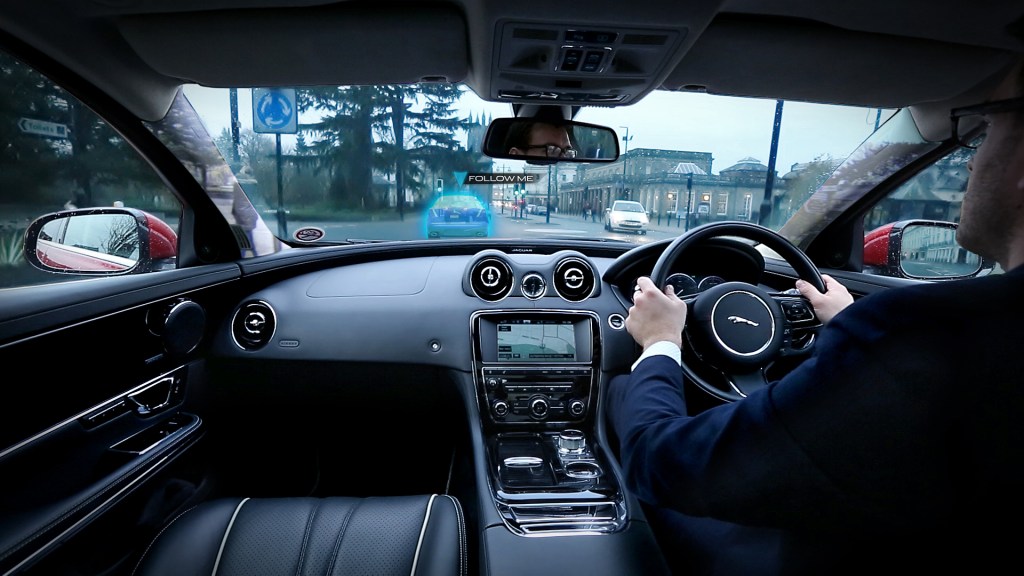
The car’s job is not to explain what is happening, but to ensure nothing unexpected happens at all. Grip is not felt; it is managed. Limits are not discovered; they are pre-empted.
The result is a vehicle that feels competent but distant — not because designers failed, but because intimacy was deprioritised.
Interior Philosophy
Inside the cabin, the philosophy becomes explicit.
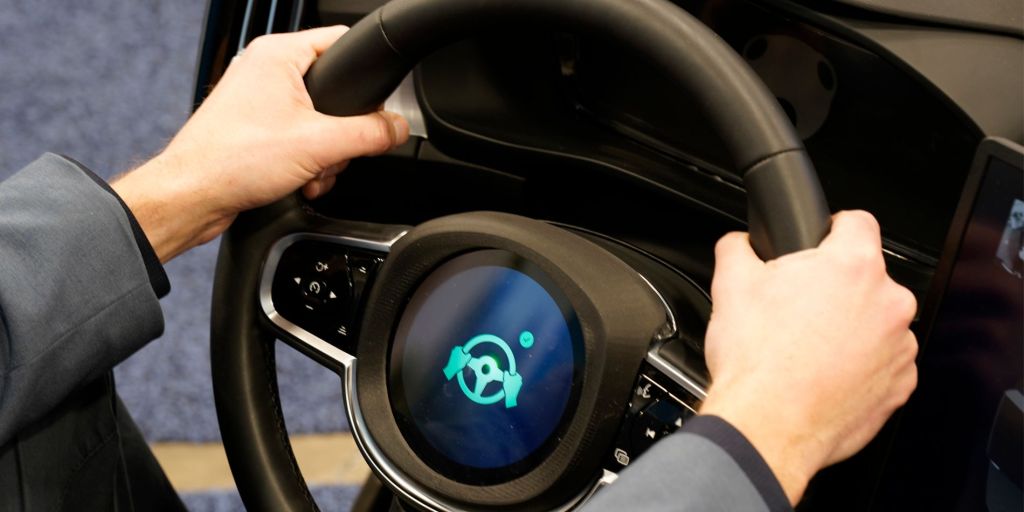
You are reminded to look ahead. Warned to keep your hands on the wheel. Alerted when you drift, accelerate, hesitate, or exist too enthusiastically. The car watches constantly — not out of malice, but because that is what was asked of it.
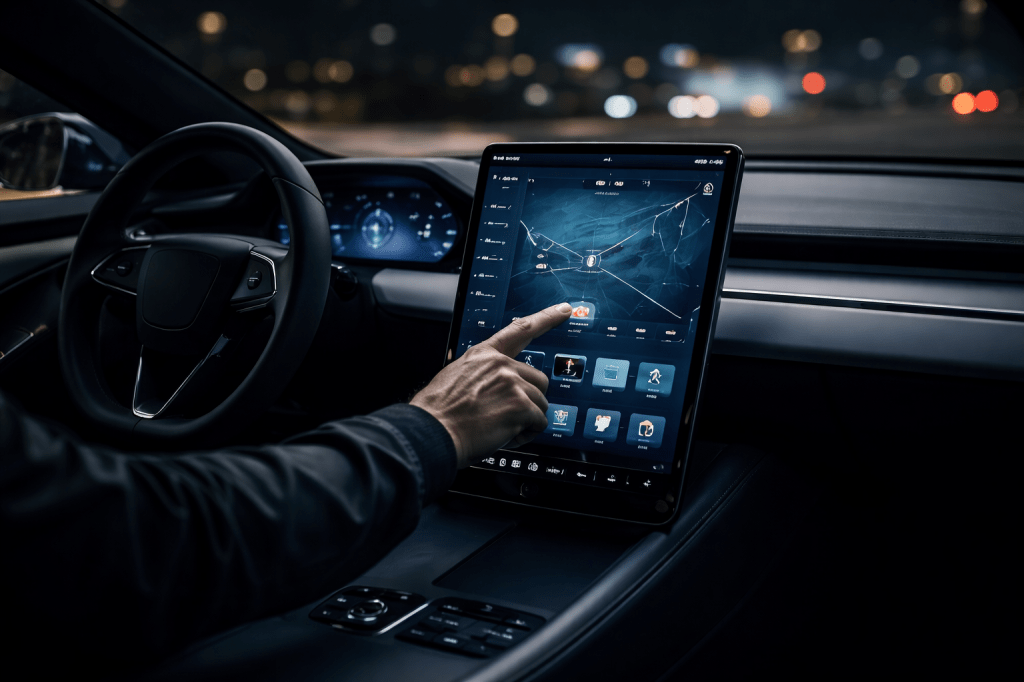
Physical controls disappear because software is easier to standardise, easier to regulate, and easier to correct after the fact. A screen can be updated. A button cannot. Behaviour can be adjusted remotely. Preferences can be overridden.
This is not minimalism. It is governance.
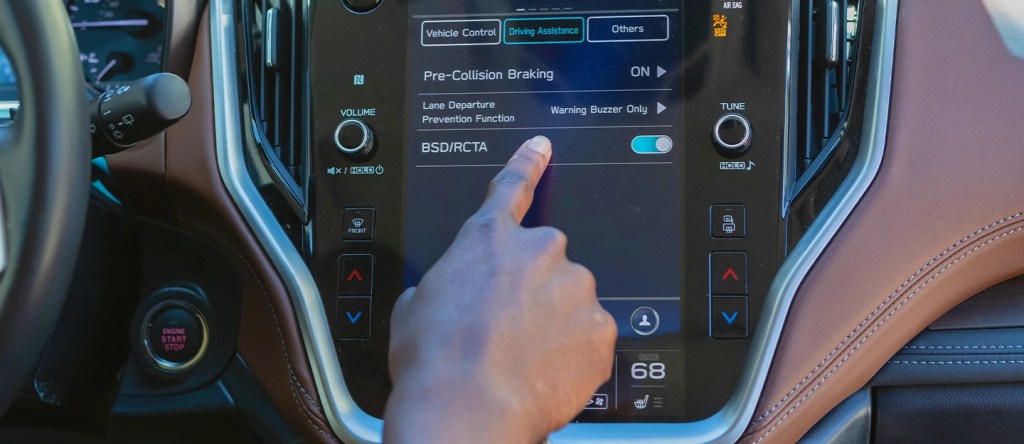
The modern interior is designed less like a cockpit and more like a managed environment. Clean, calm, and quietly corrective. It does not challenge you. It supervises you.
And most buyers find that comforting.
Market Positioning
Here is the part the industry rarely says out loud: modern cars are not sold as machines anymore. They are sold as relief.
Relief from traffic.
Relief from fatigue.
Relief from responsibility.
Relief from being blamed.
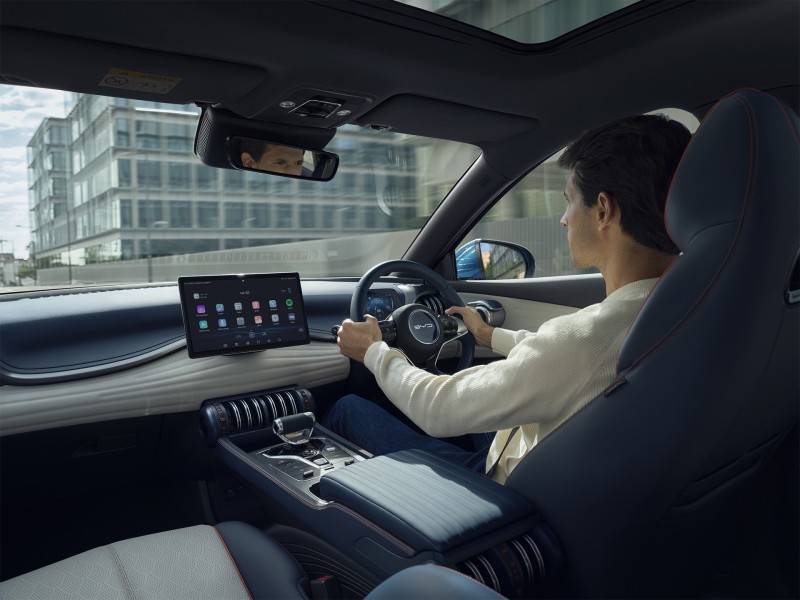
Marketing promises that the car will handle complexity so you don’t have to. That it will intervene before mistakes matter. That it will smooth out human inconsistency.
Driving is reframed as a background task — something to endure, not engage with. In that context, any car that demands attention feels outdated. Any system that allows consequences feels hostile.
This is not manipulation. It is alignment.
Manufacturers followed the signal. Buyers rewarded the outcome.
Brand Risk
The danger comes later.
When cars stop asking anything of drivers, drivers stop developing any relationship with them. Skill fades. Expectations flatten. Engagement becomes optional, then irrelevant.
A generation raised on intervention does not miss feedback because it never learned to read it. It does not question weight because software hides its effects. It does not demand better because “better” has been redefined as “easier.”
Brands that once stood for involvement find themselves with nothing left to protect but habit and pricing. Their products become interchangeable, their histories ornamental.
And when conditions change — when cost matters again, when novelty wears thin, when assistance systems age — there is nothing underneath to hold loyalty in place.
Potential Specifications
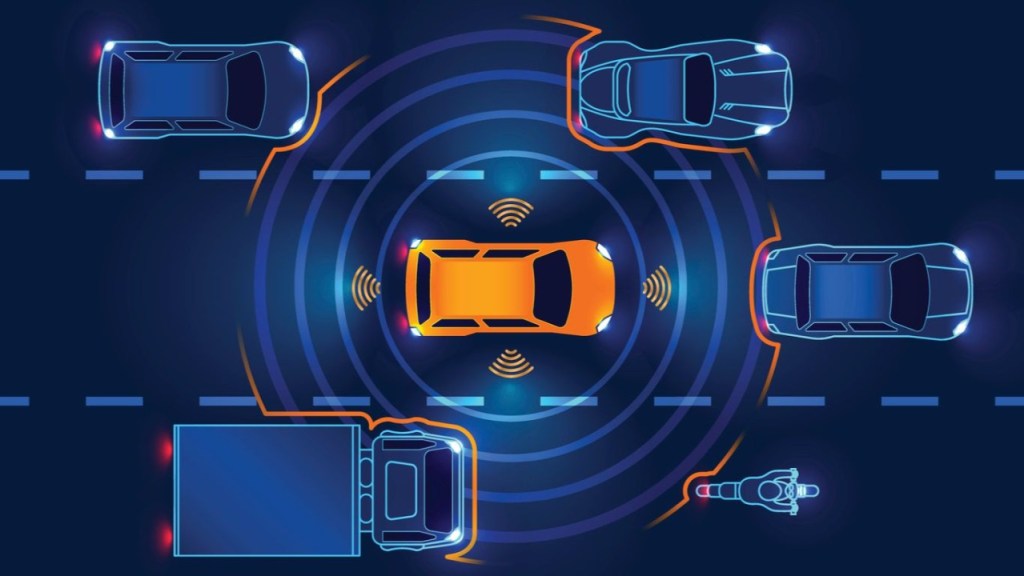
A car designed for regulation-first, driver-second priorities looks exactly like the average modern vehicle:
- Steering tuned to resist deviation, not convey load
- Throttle mapping designed to smooth intent, not reflect urgency
- Brakes calibrated for intervention thresholds rather than modulation
- Mandatory assistance systems defaulted on and reset every drive
- Interfaces centralised into software for behavioural control
- Weight justified by safety logic and future compliance, not necessity
None of this is accidental.
None of it is incompetent.
All of it is deliberate.
Reality Check
Before blaming regulation alone, ask yourself:
- Did I choose safety ratings over engagement?
- Did I prioritise convenience over control?
- Did I reward cars that corrected me rather than challenged me?
If the answer is yes, then the outcome is not surprising.
Final Verdict
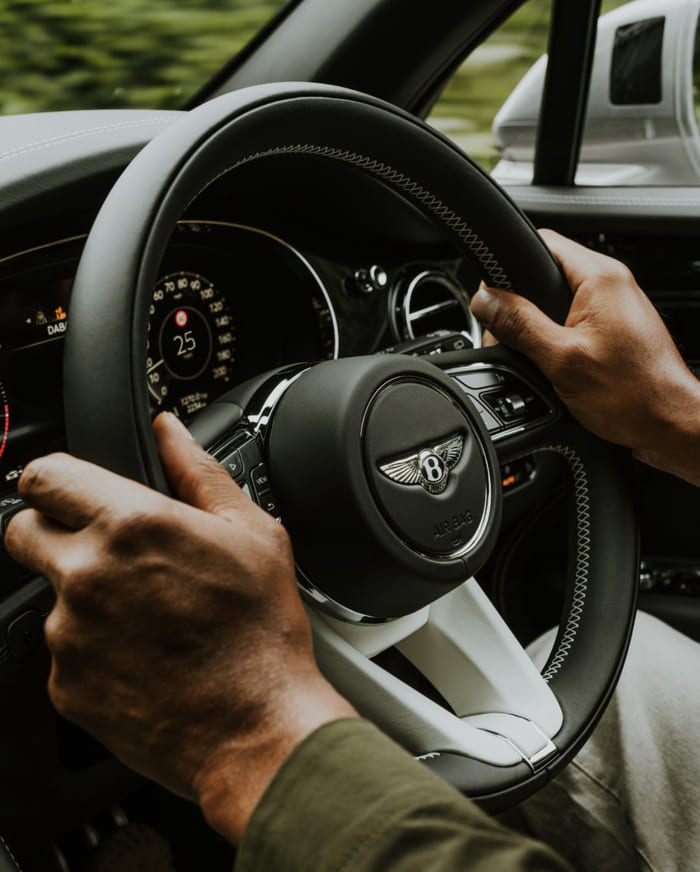
Modern cars are not designed for regulation instead of drivers. They are designed for regulation because drivers proved they preferred it that way.
The industry did not remove responsibility from driving. It responded to a market that no longer wanted it. What was once an activity became a liability. What was once a skill became a risk.
Driving didn’t become safer by accident.
It became safer by becoming less meaningful.
And when a machine no longer expects anything from the person using it, it stops giving anything back in return.
The steering wheel is still there.
The choice, quietly, is not.
 UNBUILT GARAGE
Leave a comment