Progress has made cars better at everything except the one thing that matters: being lived with.
Introduction
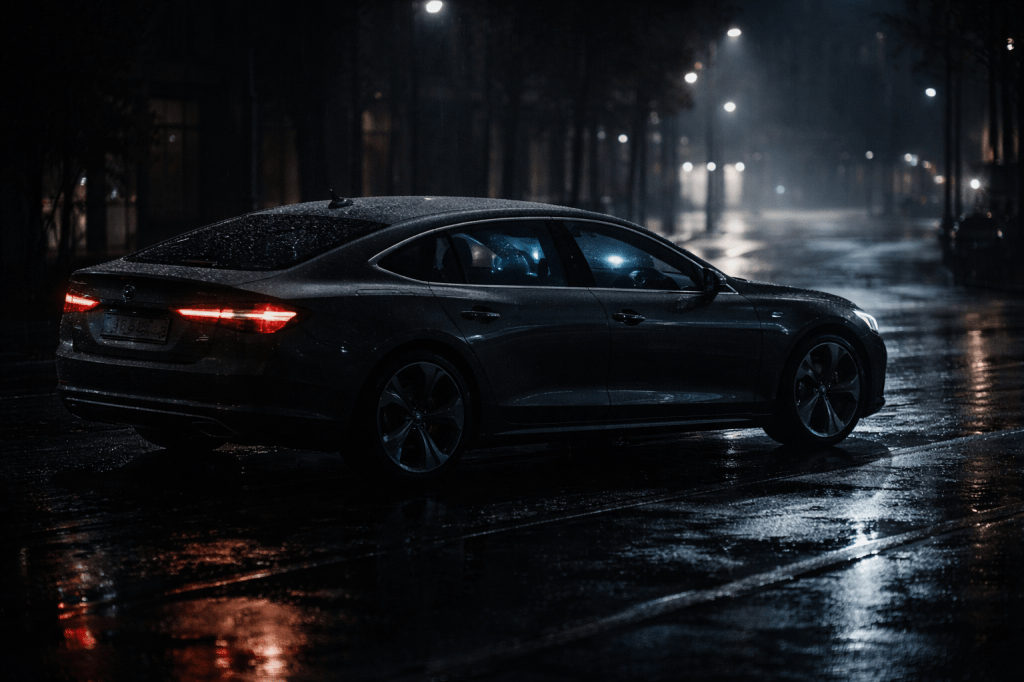
Ten years ago, buying a car was a transaction. Today, it’s a relationship. Not the fun sort with road trips and shared memories, but the kind involving updates, warnings, subscriptions, unexpected emails, and the creeping suspicion that you are no longer the owner so much as the temporary custodian of a very complicated mood swing.
On paper, modern cars are astonishing. They’re faster, cleaner, quieter, safer, and brimming with technology that would have seemed like science fiction in 2015. And yet, for reasons that are hard to explain in a brochure but painfully obvious in daily life, they are harder to own. Not harder to buy — finance has made that easier than ever — but harder to live with, understand, maintain, and keep without anxiety.
This is not nostalgia. This is not the usual “they don’t make them like they used to” muttering from someone who misses cassette tapes. This is about ownership friction — the quiet accumulation of complexity, dependency, and cost that turns a car from a tool into a liability you must constantly negotiate with.
Brand DNA vs the Concept
Every car brand claims continuity. They talk about heritage, values, DNA. Reliability brands still promise peace of mind. Performance brands still promise engagement. Premium brands still promise effortlessness.
But modern ownership cuts directly across that DNA.
The reliability brand now sells you a car whose dependability hinges on software compatibility, server uptime, and update schedules. The performance brand gives you power figures that require traction algorithms, torque management, and digital filters just to be usable. The premium brand sells “effortless luxury” through menus, profiles, logins, and settings that require a tutorial.
Ten years ago, brand DNA expressed itself mechanically. Today, it’s filtered through code. And code, unlike metal, ages badly.
A car that relies on systems outside itself — cloud services, manufacturer servers, app ecosystems — is no longer a closed product. It’s an ongoing service agreement, whether you like it or not.
Design Implications
Design used to solve problems. Now it creates them.
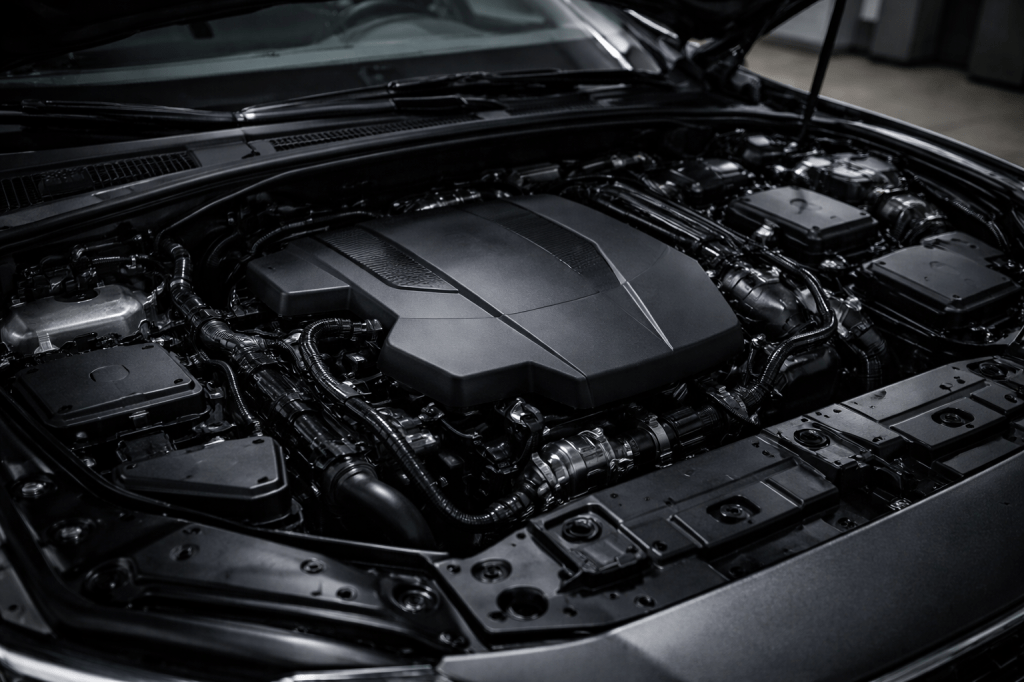
Exterior styling has grown more aggressive, more sculpted, more aerodynamic. That’s fine. But underneath, packaging has become tighter, denser, and less forgiving. Engine bays resemble sealed electronics cabinets. Simple components are buried under layers of trim, covers, and sensors. A task that once required a spanner now requires disassembly, recalibration, and sometimes a software handshake.
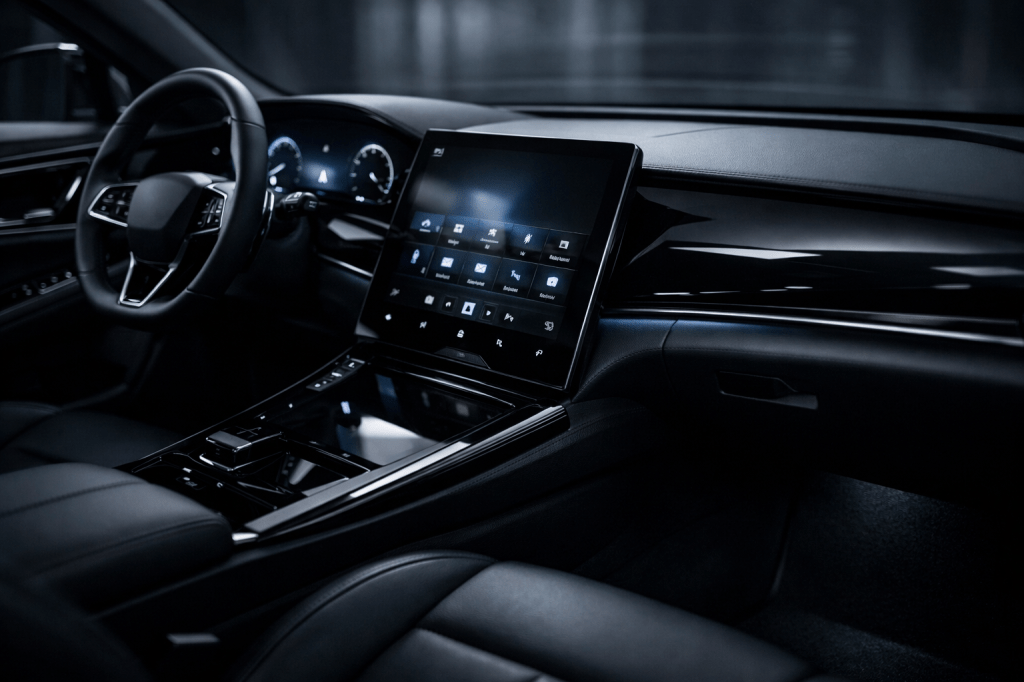
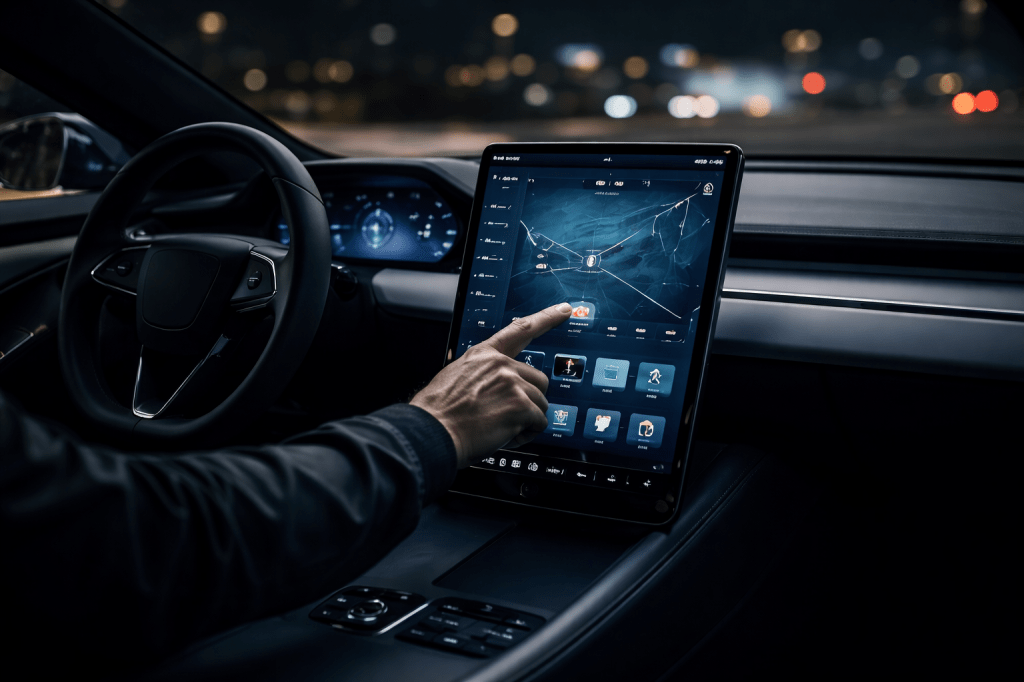
Inside, physical controls have been sacrificed on the altar of minimalism. Buttons are expensive, apparently. Screens are cheap. So everything — climate control, seat heating, driving modes, sometimes even basic functions — lives behind layers of digital menus.
This looks clean. It photographs well. It is also objectively worse to use while driving.
Ten years ago, you could change temperature by muscle memory. Today, you poke at glass while hoping the car doesn’t decide you meant something else.
Design has shifted from usability to visual theatre. Ownership suffers accordingly.
Interior Philosophy
The modern interior is no longer designed around the driver. It’s designed around the update.
Screens are oversized not because they improve ergonomics, but because they justify future features. Ambient lighting exists not because it enhances comfort, but because it can be endlessly reconfigured, themed, monetised, and refreshed.
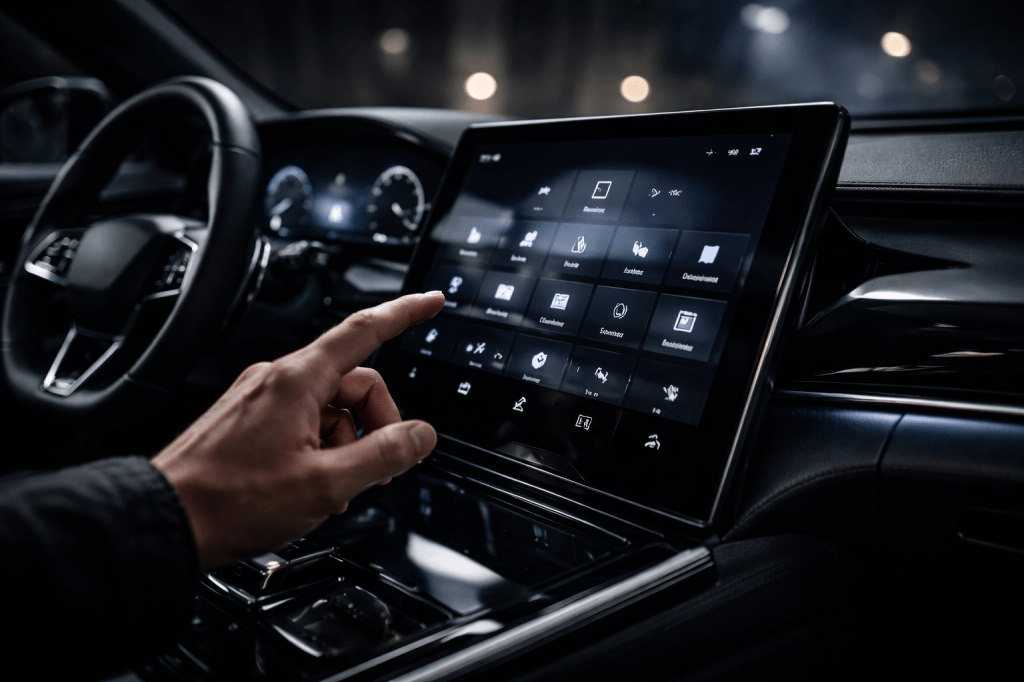
Ten years ago, interiors aged physically. Leather creased. Plastics wore. Switchgear shined with use. You could see time passing, but it was honest time.
Today, interiors age digitally. Interfaces become slow. Graphics look dated. Software support ends. Suddenly the cabin feels old not because it’s worn out, but because it’s been left behind.
A car that looks fine but feels obsolete is a deeply modern problem.
Market Positioning
Modern cars are sold on peak moments, not long-term ownership.
Acceleration times. Screen size. Connectivity features. Safety scores. All impressive, all measurable, all easy to advertise. What’s harder to sell is what happens in year six, when the warranty is gone, the updates slow down, and a warning light appears that doesn’t correspond to anything tangible.
Ten years ago, market positioning still had a relationship with longevity. Cars were expected to live full second and third lives. Today, the market quietly assumes churn.
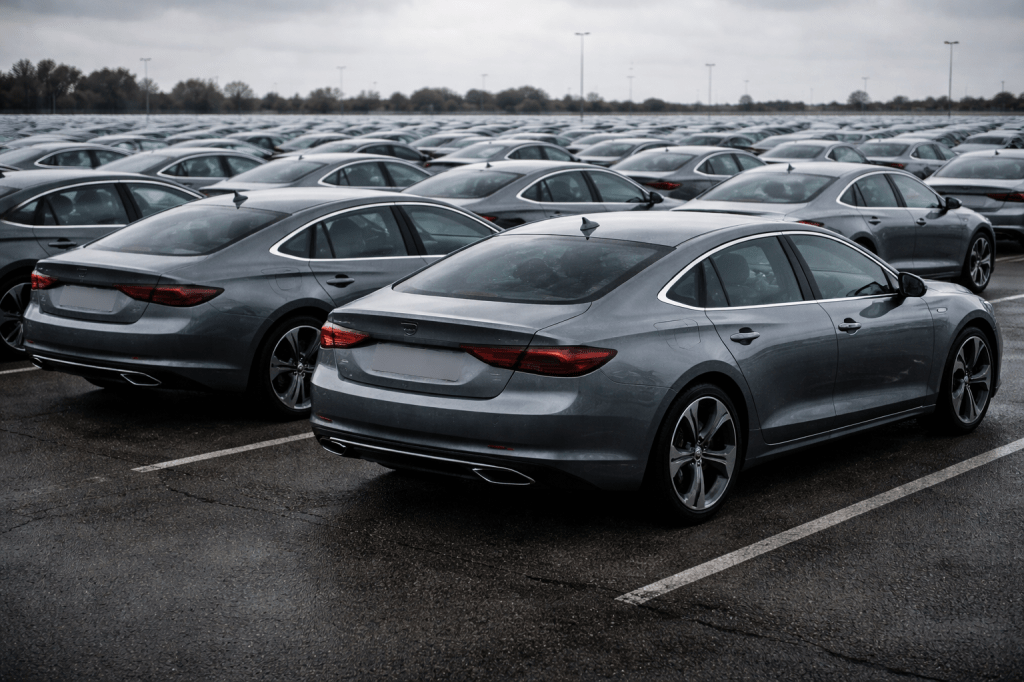
Leasing dominates. PCP cycles reset every three years. Ownership is framed as temporary by design. Which is convenient, because complexity is easier to tolerate when you know you won’t be around for the consequences.
The problem is that many people still keep cars. And those people are discovering that modern vehicles are not especially friendly to long-term commitment.
Brand Risk
This is where manufacturers are playing a dangerous game.
By making cars more complex, more interconnected, and more dependent on proprietary systems, brands are tying their reputations not just to build quality, but to long-term support. Software reliability. Parts availability. Diagnostic transparency. Server longevity.
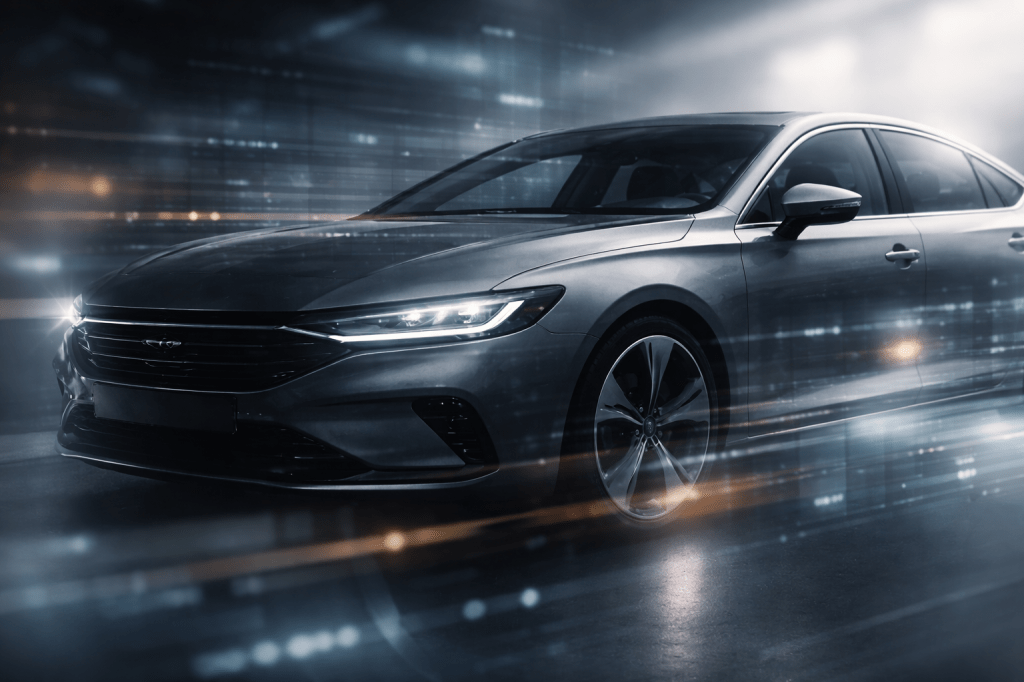
If a car becomes difficult to maintain outside the dealer network, ownership costs rise. If software faults mimic mechanical failure, trust erodes. If features disappear behind paywalls or subscriptions, resentment grows.
Ten years ago, a brand could recover from a bad engine or gearbox with time and revisions. Today, a bad digital ecosystem lingers across entire model ranges.
Brand loyalty is harder to rebuild when the problem isn’t a part, but a philosophy.
Reality Check
Ask yourself three uncomfortable questions:
- Would I feel confident owning this car without a warranty?
- Could an independent specialist realistically keep it alive for 15 years?
- If the manufacturer stopped supporting it tomorrow, would it still function as intended?
If the answer to any of these is “not really,” you have your explanation.
Final Verdict
Modern cars are not worse than cars from ten years ago. They are better at almost everything that can be measured.
But ownership is not a metric. It is a feeling. And that feeling has quietly deteriorated.
A car used to be a durable object. Now it is a managed experience. One that assumes constant support, short lifespans, and planned obsolescence disguised as innovation.
The irony is brutal: in the pursuit of making cars easier to use, the industry has made them harder to own. More impressive. Less forgiving. More capable. Less durable in spirit.
Progress did not break the car. It just forgot who was supposed to live with it.
And that is why, ten years on, ownership feels heavier — even as the cars themselves have never been lighter, faster, or more advanced.
 UNBUILT GARAGE
Leave a comment