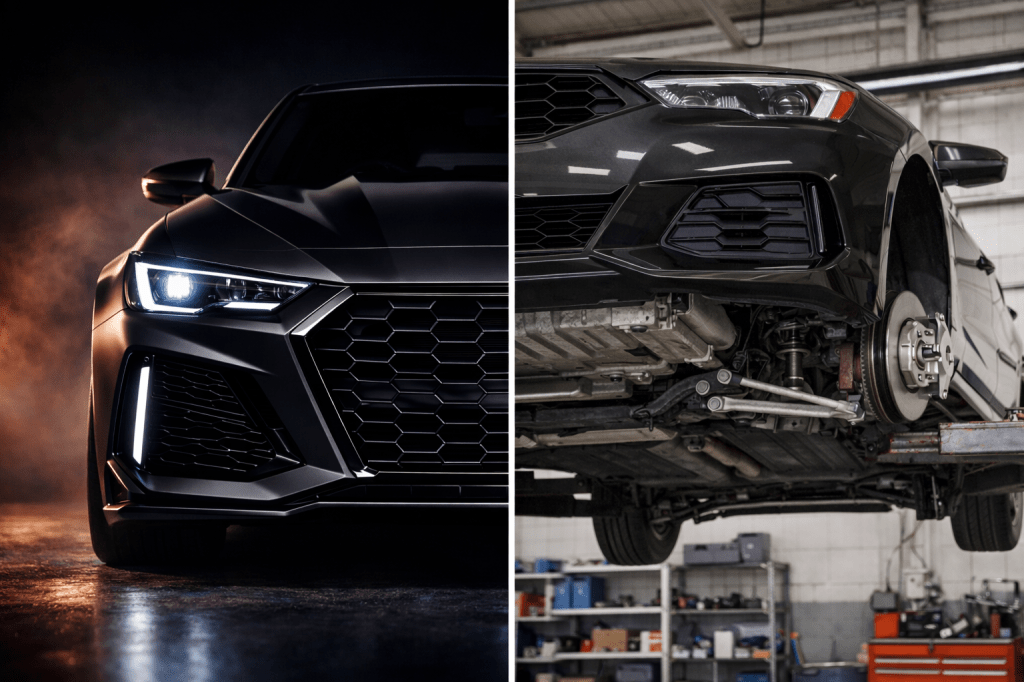
A ranking of vehicles that wore design like camouflage — not as expression, but as distraction.
Introduction
Design is supposed to reveal intent. It is meant to communicate what a car is, not what the marketing department wishes it could be. At its best, styling is honest: it reflects engineering confidence, mechanical clarity, and a company comfortable enough to let the shape speak for the substance. At its worst, it becomes theatre — a visual performance designed to distract from what lies beneath.
Modern car design has become exceptionally good at this sort of theatre. Dramatic surfacing, tortured lighting signatures, fake vents, aggressive creases, and inflated stance are now routinely deployed to suggest performance, precision, and engineering depth that simply are not there. It is not that these cars are badly built. Many of them are competent, safe, and perfectly acceptable appliances. The issue is that their styling pretends they are something else.
This ranking exists because over-styling is rarely an aesthetic accident. It is a strategic choice. It usually appears when a platform is old, a budget is thin, or a brand is trying to reposition itself without doing the expensive work of genuinely rethinking the engineering underneath. Design becomes a form of narrative control. It tells you what to feel so you do not ask what is actually going on.
What makes this particularly relevant now is that visual aggression has become a substitute for technical differentiation. As platforms converge, drivetrains standardise, and development cycles stretch, brands increasingly rely on styling to manufacture identity. It is cheaper to add creases than to redesign suspension geometry. Easier to add LED theatre than to invest in structural innovation. Design, in this context, becomes camouflage.
The danger is not ugliness. The danger is dishonesty. A car that looks dramatic but is mechanically ordinary trains buyers — and the industry itself — to accept surface as substance. Over time, this lowers expectations. It teaches manufacturers that looking engineered is sufficient, even when being engineered is no longer the priority.
These cars are not on this list because they are slow, cheap, or unsuccessful. They are here because their styling worked harder than their engineering. And once you see that pattern, it becomes difficult to unsee how often design is being used to apologise for what lies beneath.
Ranking Method
This ranking is based on the gap between visual ambition and engineering substance. It considers how aggressively design language was used to project performance, innovation, or technical depth — and how little corresponding engineering intent was actually delivered. The higher the ranking, the more clearly styling was used not to express capability, but to mask its absence.
The Ranked Entries
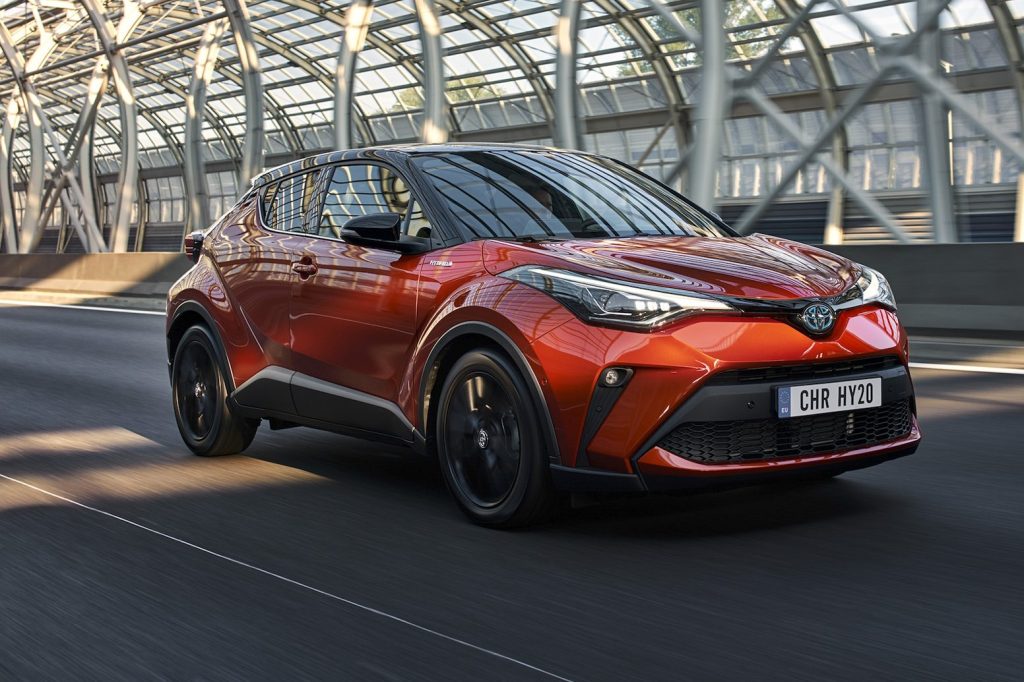
10. Toyota C-HR
Context
Toyota launched the C-HR as a design-led crossover to attract younger buyers. It arrived with sharp angles, floating roofs, and a concept-car stance.
Why It Mattered
It signalled Toyota’s attempt to use styling as a primary differentiator. The car looked radical in a segment defined by beige competence.
Why It Failed / Was Killed / Never Happened
Underneath, it remained mechanically conservative and dynamically forgettable. The design did all the heavy lifting because the platform did not.
What the Industry Lost
An opportunity to pair bold design with genuinely progressive engineering. Instead, it normalised the idea that visual drama alone can stand in for innovation.
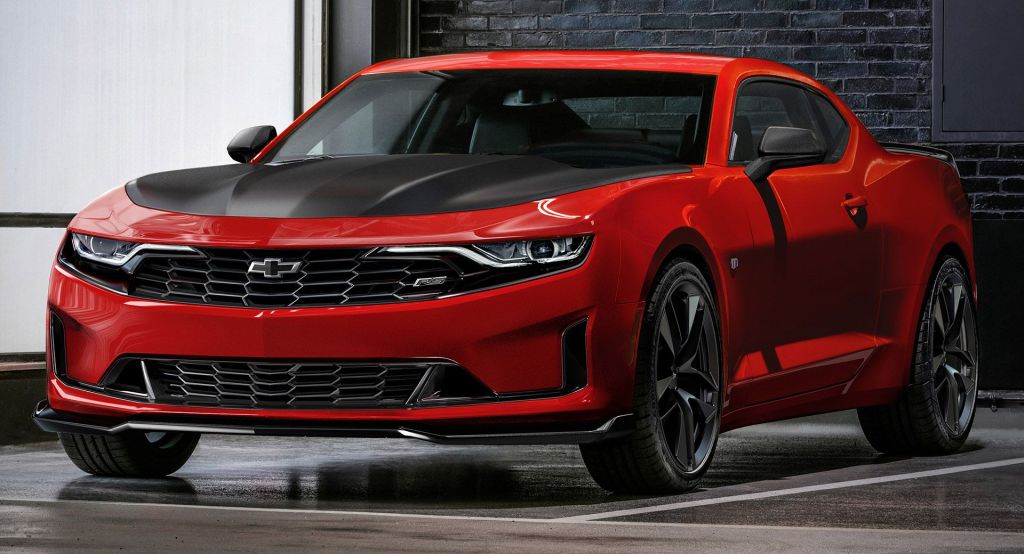
9. Chevrolet Camaro (Sixth Generation Refresh)
Context
The Camaro leaned heavily into extreme surfacing and narrow glass in its later iterations. The styling became more aggressive as visibility and usability suffered.
Why It Mattered
It attempted to signal modern performance credibility in a segment losing relevance. The car looked more serious than ever.
Why It Failed / Was Killed / Never Happened
The platform did not evolve at the same pace as the styling. The design over-promised modernity that the underlying architecture could not fully deliver.
What the Industry Lost
A chance to re-engineer the muscle car for a modern context. Instead, visual aggression became a substitute for structural reinvention.
8. Nissan Juke (First Generation)

Context
The Juke arrived with deliberately shocking design. It was styled to look like nothing else on the road.
Why It Mattered
It proved that polarising design could create market attention. Styling became the product.
Why It Failed / Was Killed / Never Happened
The engineering was ordinary supermini hardware in costume. The design existed to distract from how conventional the car actually was.
What the Industry Lost
A moment to redefine small crossover engineering. Instead, it taught the industry that styling alone can create perceived innovation.
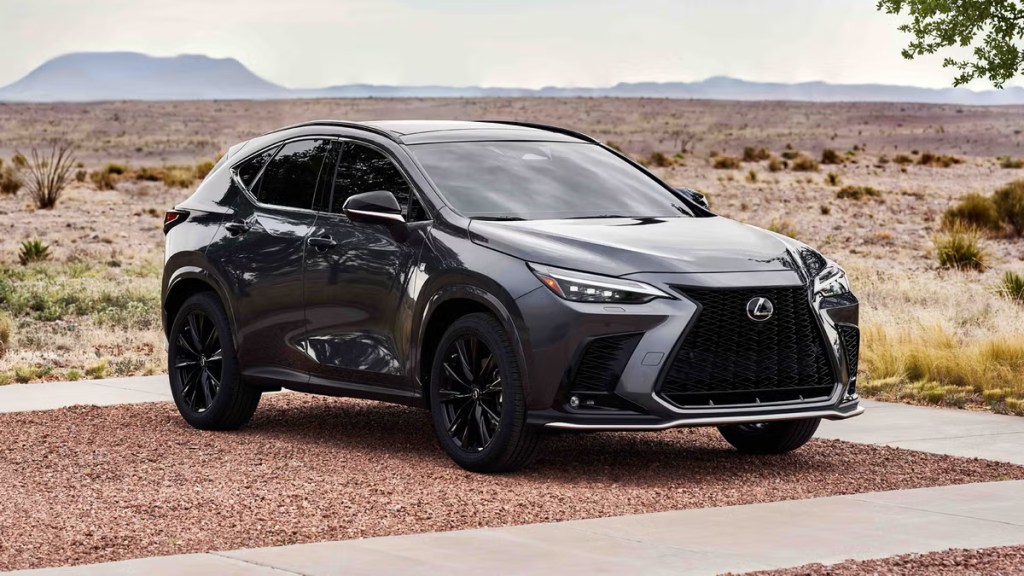
7. Lexus NX
Context
The NX introduced Lexus’s most aggressive spindle grille and angular surfacing. It looked like a concept car that had escaped into production.
Why It Mattered
It represented Lexus trying to project performance and aggression as brand values.
Why It Failed / Was Killed / Never Happened
The driving experience remained comfort-first and dynamically conservative. The design promised sharpness the chassis never intended to deliver.
What the Industry Lost
An honest alignment between Lexus design and Lexus engineering. Instead, visual aggression became brand theatre.
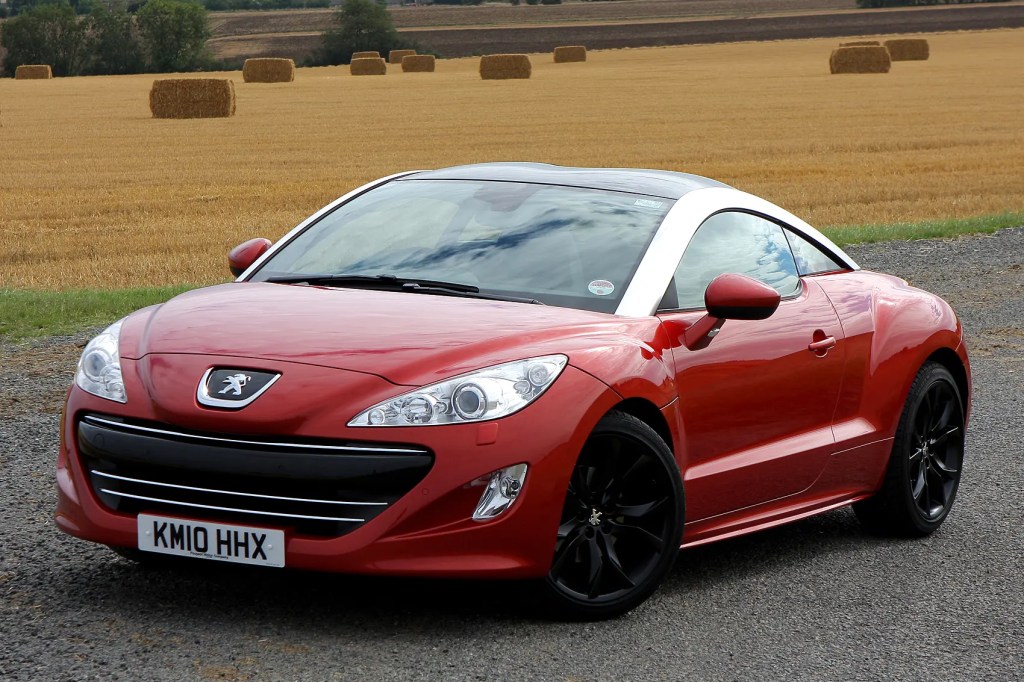
6. Peugeot RCZ
Context
The RCZ was positioned as a stylish sports coupe alternative. It looked exotic relative to its price point.
Why It Mattered
It showed Peugeot could design emotionally engaging cars again. Visually, it suggested a new era.
Why It Failed / Was Killed / Never Happened
Underneath, it was built on mainstream front-wheel-drive architecture. The styling suggested a sports car the engineering was never designed to support.
What the Industry Lost
A genuine Peugeot sports platform. Instead, design was used to imply sporting credibility without funding it.
5. Mitsubishi Eclipse Cross
Context
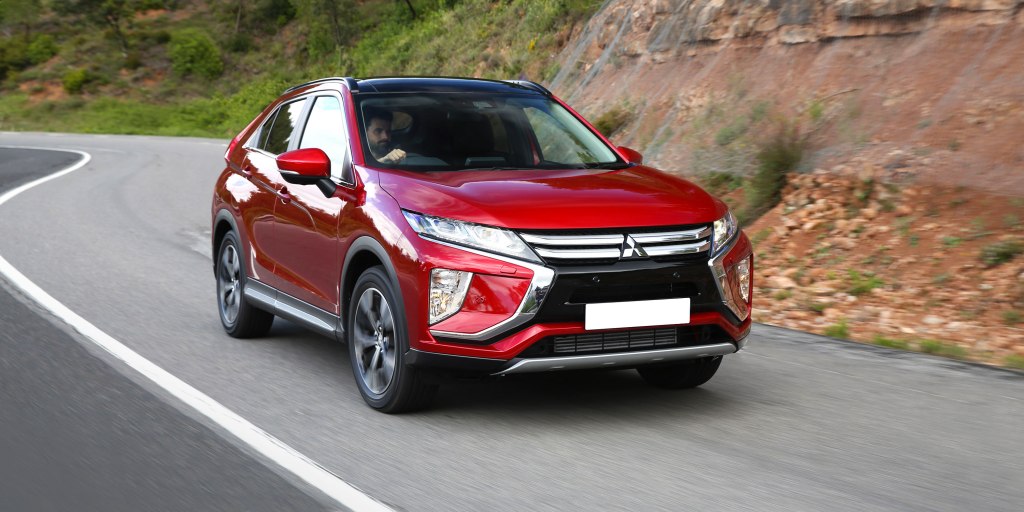
Mitsubishi revived the Eclipse name on a crossover with dramatic styling. The name implied performance heritage.
Why It Mattered
It showed how branding and styling could be used to borrow credibility from the past.
Why It Failed / Was Killed / Never Happened
The engineering had nothing to do with performance coupes. The styling worked overtime to justify a name it had not earned.
What the Industry Lost
Respect for nameplates as technical promises. Instead, styling became a mask for platform convenience.
4. BMW 4 Series (G22)
Context
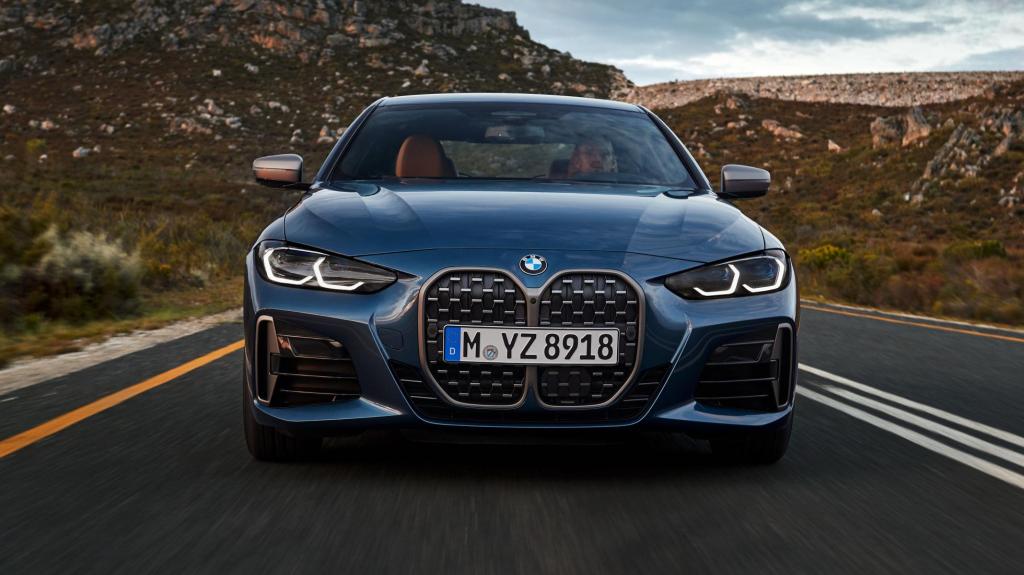
BMW gave the 4 Series an enormous grille and exaggerated surfacing. The design dominated conversation more than the car itself.
Why It Mattered
It marked BMW’s shift toward shock-led design as a branding strategy.
Why It Failed / Was Killed / Never Happened
The underlying engineering was evolutionary, not revolutionary. The styling implied a radical car that did not actually exist.
What the Industry Lost
Trust that BMW design reflects mechanical intent. Instead, visual controversy replaced engineering narrative.
3. Toyota GR86 Aero Concepts vs Production Reality
Context
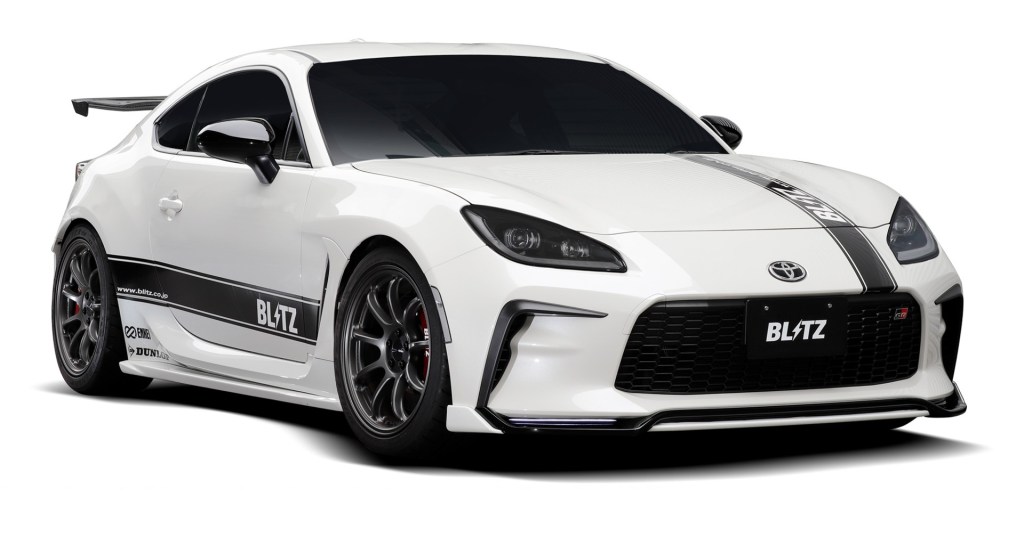
Toyota teased aggressive GR aero packages that suggested track-focused evolution. The production car remained visually restrained.
Why It Mattered
It showed how styling concepts are used to imply engineering depth.
Why It Failed / Was Killed / Never Happened
The aero theatre never fully translated into production engineering intent. Visual promise outpaced mechanical commitment.
What the Industry Lost
A chance for affordable cars to wear honest, functional aggression. Instead, performance styling became largely symbolic.
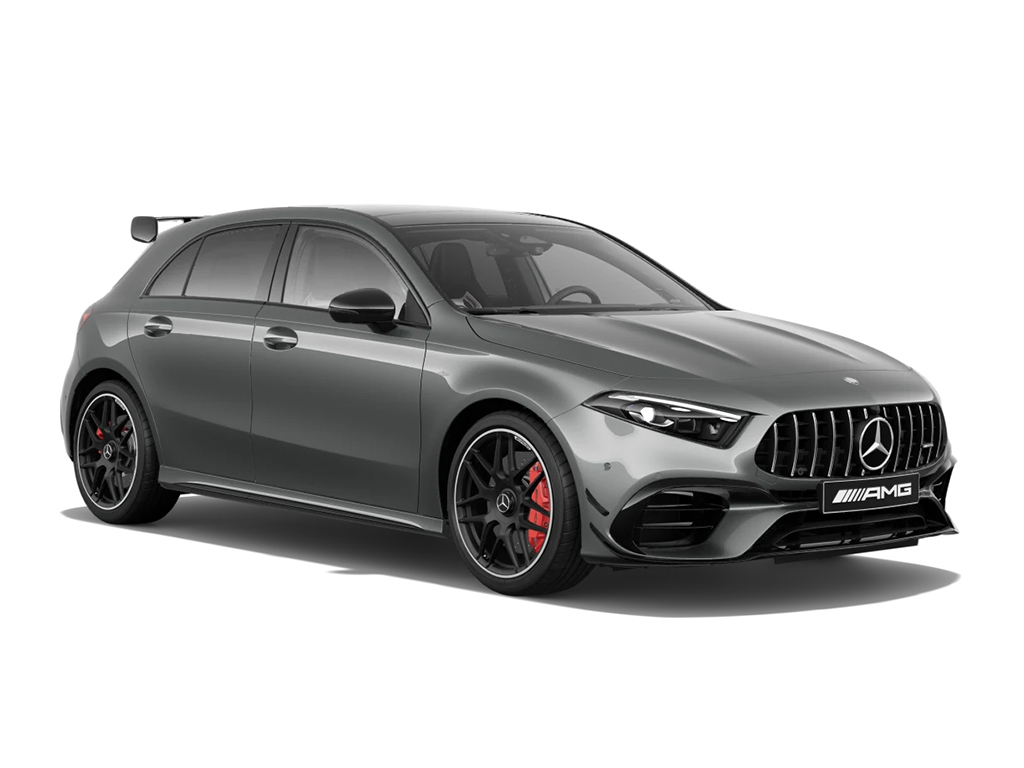
2. Mercedes-Benz A-Class AMG Line
Context
The AMG Line package transformed basic A-Class models into visually aggressive machines. Fake vents, oversized wheels, and aggressive bumpers became standard.
Why It Mattered
It blurred the line between performance identity and appearance packages.
Why It Failed / Was Killed / Never Happened
The engineering remained entry-level. Styling was used to borrow AMG credibility without AMG substance.
What the Industry Lost
Clarity between performance engineering and aesthetic suggestion. The badge and the look became decoupled from capability.
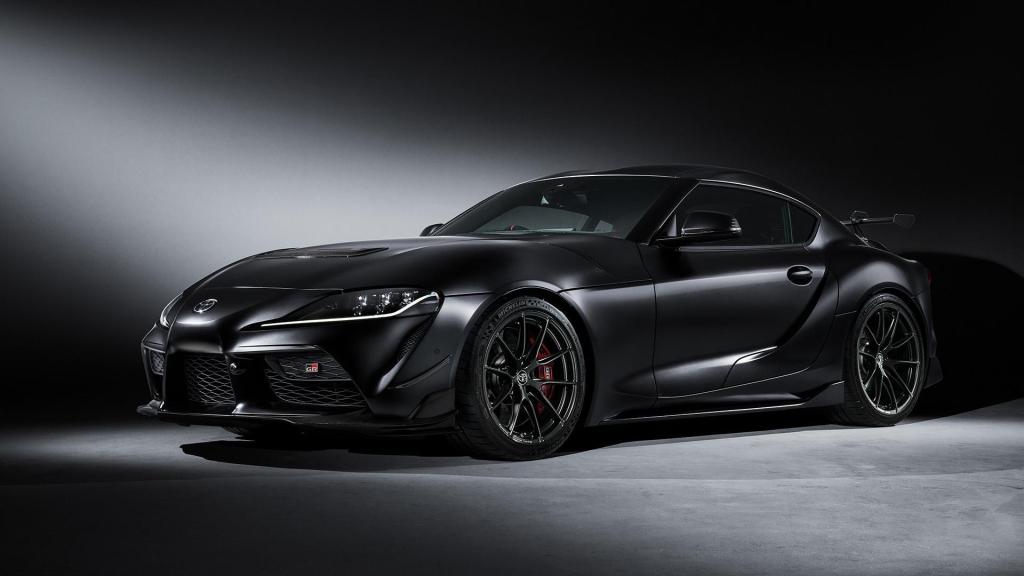
1. Toyota Supra Mk5 Aero Culture vs Shared Platform Reality
Context
The Mk5 Supra arrived with extreme surfacing, vents, and concept-car aggression. It looked like a bespoke, ground-up performance machine.
Why It Mattered
It visually promised a deeply engineered Toyota performance flagship.
Why It Failed / Was Killed / Never Happened
Underneath, it relied heavily on shared architecture and outsourced development. The styling worked to sell a uniqueness the engineering did not fully support.
What the Industry Lost
The expectation that visual drama reflects engineering ownership. The Supra became proof that styling can be used to claim identity even when control is shared.
Industry Pattern: Styling as Strategic Distraction
Across these cars, styling is used to cover three recurring issues: ageing platforms, shared architectures, and underfunded engineering programs. Design teams are asked to manufacture excitement because engineering budgets cannot. Over time, this teaches brands that visual theatre is a viable replacement for technical leadership.
The problem is not that design is strong. It is that it is being asked to lie.
Final Verdict
These cars were not over-styled by accident. They were over-styled because it was cheaper, faster, and politically safer than fixing what lay underneath.
When design becomes camouflage, it stops being expression. It becomes apology. And an industry that relies on apology as a design strategy is no longer confident in its own engineering.

 UNBUILT GARAGE
Leave a comment