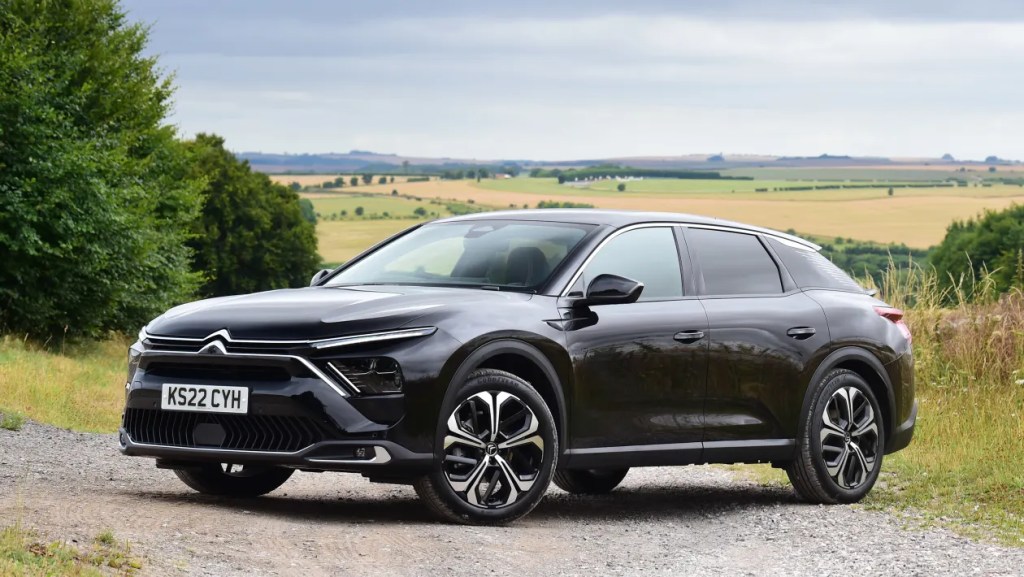
A critique of modern wheel-and-tyre fashion that keeps appearing online, for reasons that are not flattering to the industry.
Introduction
Modern cars have not become better on their wheels. They have become worse, louder, harsher, and more fragile — and the industry keeps pretending this is progress.
There is a specific, repeatable cause for this decline, and it has nothing to do with engines, software, or safety standards. It is the quiet, relentless obsession with oversized wheels and ultra-low-profile tyres.
This concept is circulating online because owners, testers, and even dealers are finally connecting the dots. The car itself is often fine. The tyre sizes are not.
The vehicle being discussed does not exist. The problem absolutely does.
Brand DNA vs the Tyre Fashion Arms Race
Every manufacturer now claims to have a “ride and handling philosophy.” They talk about chassis tuning, bushing compliance, steering feel, and road isolation.
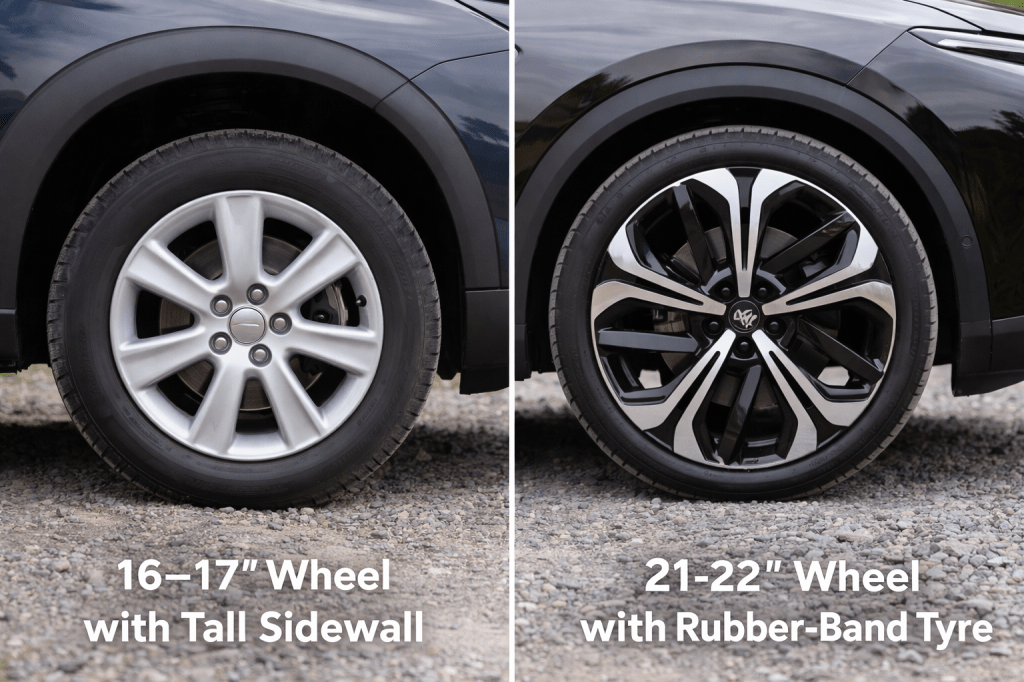
Then they fit the car with 20-, 21-, and increasingly 22-inch wheels wrapped in rubber bands.
This is not engineering. This is fashion overpowering physics.
A brand can spend millions developing suspension geometry, only to destroy it with tyres that have sidewalls thinner than a credit card. The tyre becomes the first spring in the system. Remove it, and you remove compliance. The result is predictable:
- Sharper impact harshness
- Higher noise transmission
- Reduced rim protection
- Narrower operating window for ride quality
And yet the industry continues, because wheel size has become shorthand for “premium.”
Not because it works. Because it looks expensive.
Design Implications: When Styling Bullies Engineering
Design studios now draw cars around wheel size, not the other way around.
You can see it in every new crossover and saloon: small glass areas, heavy bodywork, and vast circular voids at each corner filled with enormous alloys. The proportions are wrong, but they photograph well.
This creates a cascade of compromises:
- Larger wheels require lower-profile tyres
- Lower-profile tyres require stiffer sidewalls
- Stiffer sidewalls transmit more impact energy
- More impact energy forces suspension to be stiffened to cope
The end result is a car that feels “sporty” for the first 500 metres and tiring for the next 50 miles.
Manufacturers then mask this with adaptive dampers and complex bushings. They add cost and complexity to solve a problem they created with styling.
That is not progress. That is a self-inflicted engineering tax.
Interior Philosophy: Noise, Harshness, and the Illusion of Quality
Inside the cabin, the damage becomes obvious.
Low-profile tyres are louder. They generate more structure-borne noise. They transmit sharper vibration. They are less forgiving on broken surfaces.
So what do modern cars do?
They add:
- Thicker glass
- More sound deadening
- Active noise cancellation
- Softer seat foam
The car becomes heavier and more complex to compensate for tyre choices that never needed to be made.
And then reviewers praise the “refinement.”
This is not refinement. This is insulation from a mistake.
Older executive cars rode quietly on 16- or 17-inch wheels with sensible sidewalls. They did not need acoustic glass to feel composed. The tyre did the work.
Today’s cars use technology to mask what the tyre choice has broken.
Market Positioning: Bigger Wheels as a Pricing Tool
Wheel size is no longer a technical decision. It is a pricing ladder.
Base model:
17-inch wheels. Rides properly.
Mid trim:
18- or 19-inch wheels. Looks better. Rides worse.
Top trim:
20+ inches. Looks “premium.” Rides like a pothole audit.
Manufacturers know exactly what they are doing. Bigger wheels justify:
- Higher list prices
- More expensive options
- Higher replacement tyre costs
- More profitable dealer upsells
The customer is trained to believe that small wheels mean cheap.
In reality, small wheels often mean:
- Better ride
- Lower noise
- Cheaper tyres
- Less wheel damage
- Better real-world grip on rough roads
But that does not sell brochures.
The Handling Myth: Why Bigger Isn’t Better
There is a persistent belief that bigger wheels automatically improve handling.
They do not.
What matters is tyre construction, compound, contact patch behaviour, and sidewall compliance. Ultra-low-profile tyres can feel sharp at turn-in, but they lose progression and forgiveness.
On real roads, not test tracks, this means:
- More tramlining
- More kickback through the steering
- Less warning before grip loss
- Reduced compliance over mid-corner bumps
The car may feel “tight” in a showroom test drive. It feels nervous and brittle over time.
The industry sells immediacy. Owners live with consequences.
Unsprung Mass: The Physics Nobody Puts in Brochures
Large wheels are heavier. Low-profile tyres often are too.
This increases unsprung mass — weight the suspension must control directly.
More unsprung mass means:
- Slower suspension response
- Reduced ability to follow poor surfaces
- More energy transmitted into the chassis
Engineers fight this with expensive lightweight alloys and complex dampers.
Again, money and technology are deployed to solve a problem created by wheel size.
A smaller wheel with a taller sidewall often performs better dynamically, even if it looks less dramatic.
Physics does not care about Instagram.
Real-World Costs: The Ownership Tax
Oversized wheels quietly increase ownership costs in ways most buyers do not anticipate.
Low-profile tyres:
- Wear faster
- Cost more
- Are easier to damage
- Are more sensitive to alignment issues
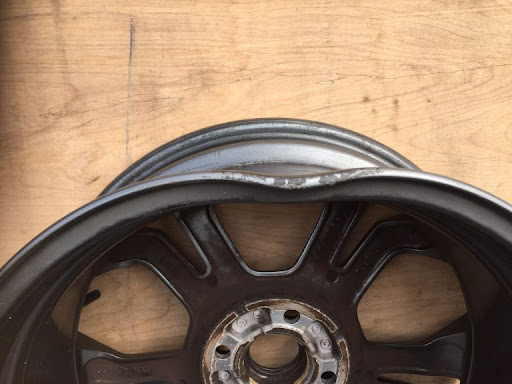
Wheel damage becomes normalised. Buckled rims are treated as routine maintenance. That alone should be a warning sign.
In many modern cars, a single 21-inch performance tyre can cost more than a full set of sensible tyres on a previous-generation model.
That is not premium ownership. That is a recurring penalty.
Brand Risk: When Comfort Becomes a Differentiator Again
Some brands are starting to quietly reverse course.
They are rediscovering that ride quality is becoming a competitive advantage. Customers are tired of brittle cars that look good and feel exhausting.
Luxury used to mean isolation, composure, and effortlessness.
Now it often means:
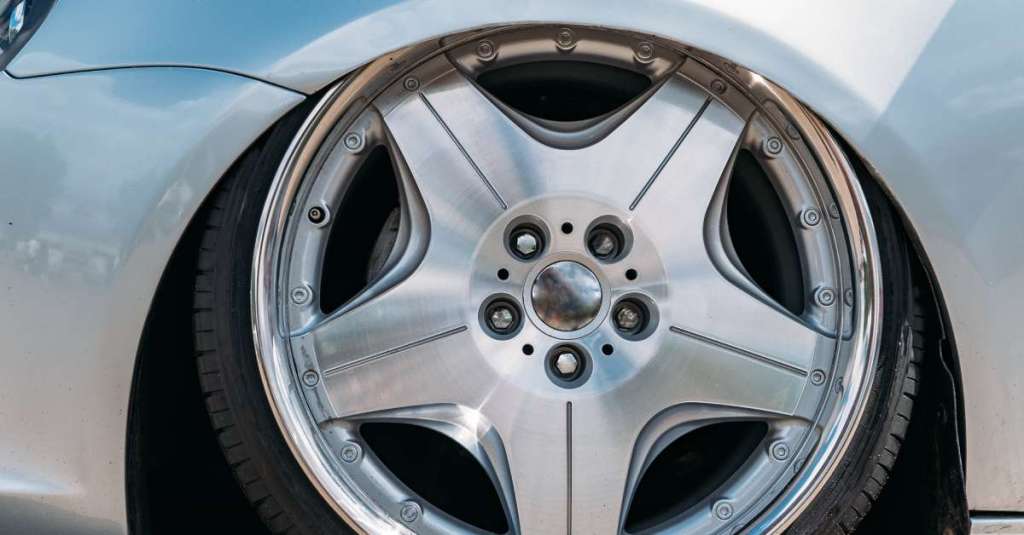
- Large wheels
- Thin tyres
- Harsh ride
- Expensive replacements
The brands that relearn the value of sensible tyre sizing will quietly win loyalty.
Not with headlines. With repeat buyers.
The Concept: A Car Designed Backwards From Tyres
This speculative concept that keeps appearing online flips the process.
Instead of asking, “How big can we make the wheels?” it asks:
“What tyre size actually makes this car better?”
The concept vehicle is designed around:
- Taller sidewalls
- Smaller wheels
- Optimised suspension compliance
- Reduced noise and impact harshness
It looks less dramatic. It drives better.
That is why it keeps resurfacing in discussions. People are noticing the trade-off.
Why This Keeps Being Resisted
The industry resists this concept for one reason: visuals sell.
Big wheels photograph well. They communicate “new” and “expensive” instantly.
Ride quality does not show up in a thumbnail.
But owners live with tyres. Every mile. Every pothole. Every broken road surface.
This is where the marketing narrative collapses.
The Tyre Sizes That Are Quietly Ruining Modern Cars
This is not about one brand. It is a systemic styling and marketing failure.
The trend towards oversized wheels and ultra-low-profile tyres has quietly degraded:
- Ride comfort
- Noise isolation
- Real-world handling
- Ownership costs
- Long-term satisfaction
And it has done so in the name of visual drama.
The industry has trained buyers to equate discomfort with sportiness and harshness with quality.
Neither is true.
Final Verdict
The oversized wheel and low-profile tyre obsession is one of the most damaging design trends in modern cars. It makes vehicles louder, harsher, more fragile, and more expensive to live with — all for the sake of showroom impact.
This speculative concept exists because drivers are noticing the trade-off. Not on paper. On broken roads.
Smaller wheels. Taller tyres. Better cars.
It really is that simple.

 UNBUILT GARAGE
Leave a comment