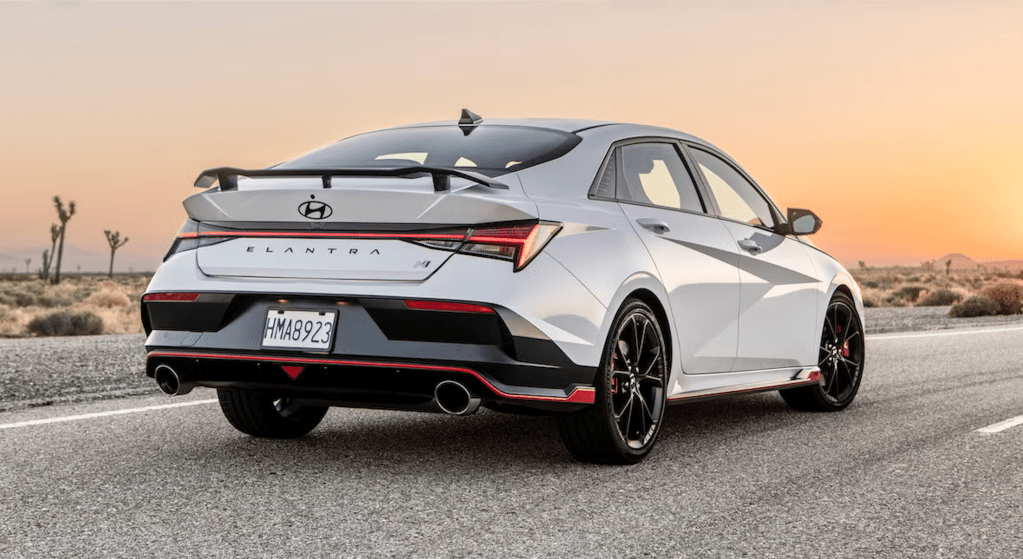
A modern performance division has outgrown the heritage industry that still thinks history is a substitute for relevance.
Introduction
Hyundai performance cars are no longer an experiment. They are a benchmark.
What started as a curiosity has become one of the most coherent, credible, and disruptive performance programmes in the industry. Hyundai is now building cars that are not just fast for the money, but well-engineered, properly developed, and fundamentally honest about what performance should be in the modern era.
This is uncomfortable for brands that have spent decades telling customers that heritage equals competence. Because Hyundai has proved that competence is built in the present, not inherited from the past.
The problem for older brands is not that Hyundai is improving. It is that Hyundai is improving faster — and with fewer internal compromises.
Brand DNA vs Modern Performance Reality
Legacy performance brands are trapped by their own mythology.
They are expected to reference the past, protect sacred nameplates, and reassure loyalists that nothing has changed too much. Even when platforms, powertrains, and regulations force change, the branding must pretend continuity.
Hyundai has no such burden.
There is no historic performance bloodline to preserve. No iconic shape that must be echoed. No fanbase demanding that every new model resemble something from 20 or 30 years ago.
That freedom allows Hyundai Performance to be engineered for today.
Not for nostalgia. Not for collectors. Not for people who want to feel like it is still 1998.
It allows Hyundai to design cars around current tyre technology, modern chassis tuning, advanced electronics, and real-world durability — without asking whether it looks “correct” to a previous generation.
This is why Hyundai performance products feel fresh rather than compromised. They are not negotiating with ghosts.
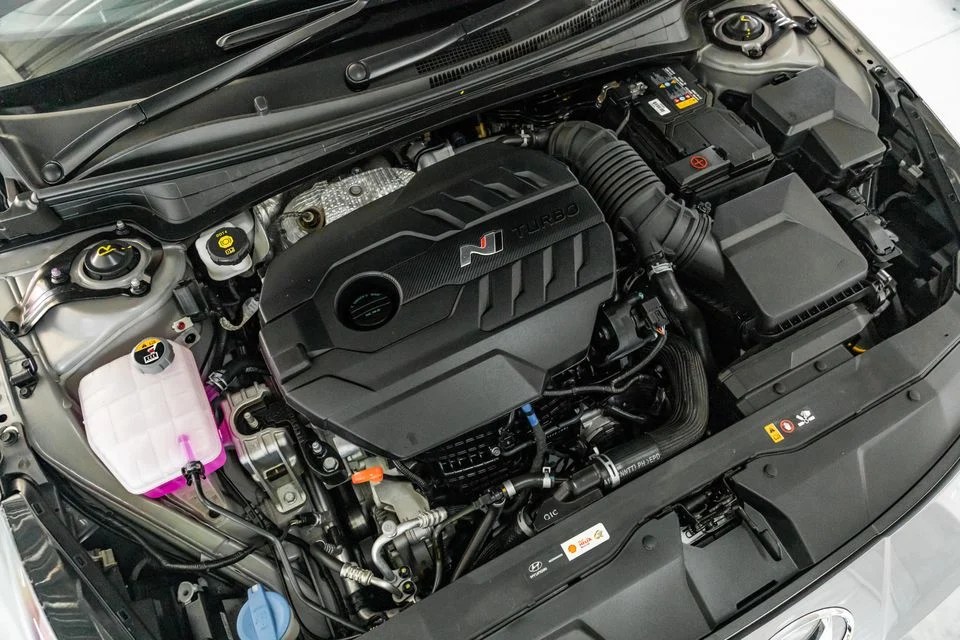
Design: Engineered, Not Curated
Most established performance brands now design by committee.
Styling is filtered through layers of brand identity guidelines, heritage references, and marketing narratives. The result is aggression wrapped in caution. Sharp, but familiar. Fast-looking, but rarely bold.
Hyundai’s performance design is more direct.
Intakes are sized because cooling is required. Wheel arches are flared because track width matters. Body shapes are squared and purposeful because stiffness and aero efficiency take priority over retro aesthetics.
The cars look engineered first and styled second.
That approach irritates people who want their performance cars to look like rolling museum pieces. But it appeals to people who care about what the car does at speed, not what it references in a brochure.
It also exposes how conservative many older brands have become. They sell performance, but design like they are afraid of upsetting tradition.
Hyundai is not afraid of that.
Interior Philosophy: Function Over Theatre
Modern performance interiors have developed a dangerous obsession with theatre.
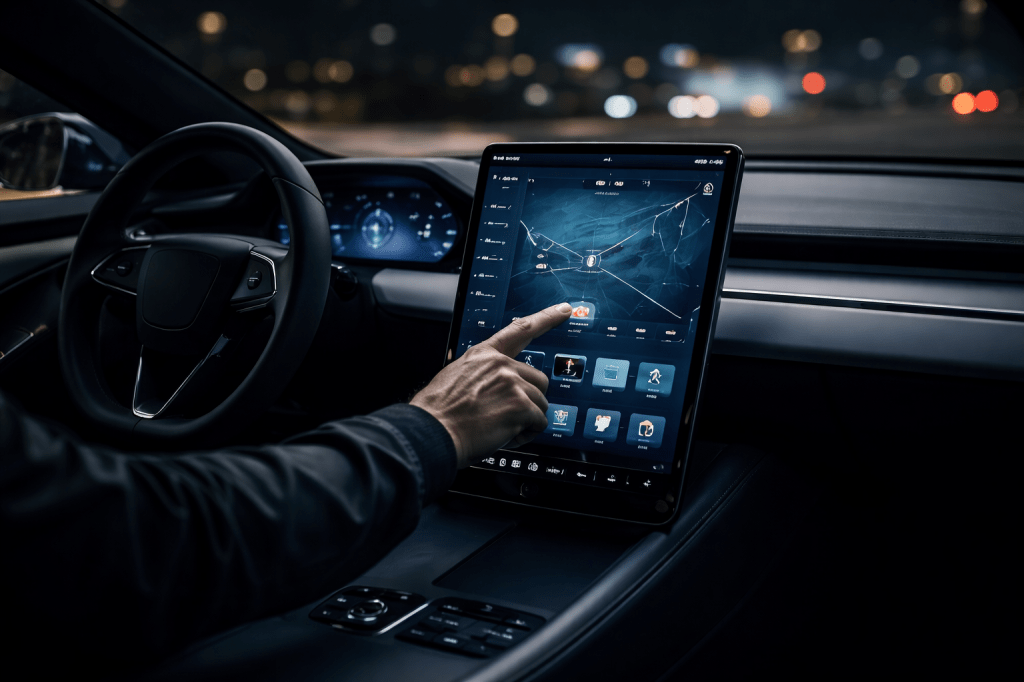
Touch surfaces. Ambient lighting. Gloss finishes. Digital effects designed to impress in a showroom rather than function at speed.
Many legacy brands now prioritise perceived luxury over operational clarity.
Hyundai does the opposite.
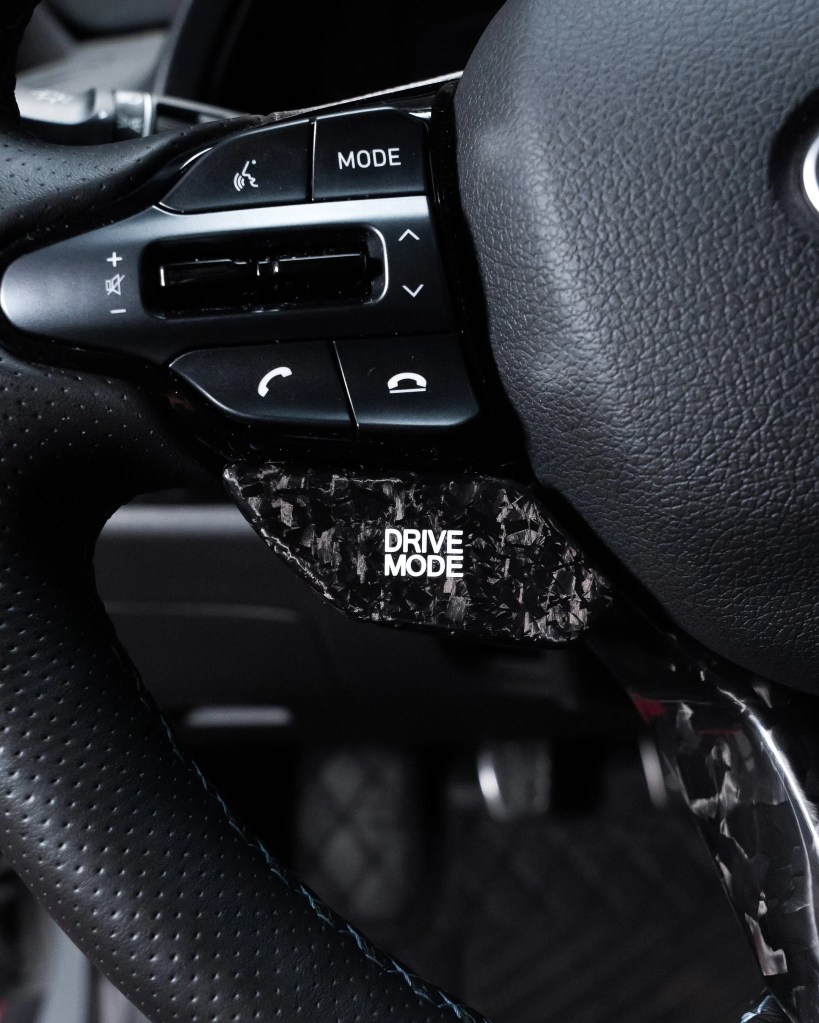
Performance interiors are designed to be used hard. Physical controls where your hands expect them. Clear displays. Seats designed for sustained lateral loads, not soft comfort. Driving modes that can be selected without digging through menus.
This is a subtle but critical difference.
Hyundai treats performance driving as an activity. Many older brands treat it as a visual experience.
One is built for drivers. The other is built for social media.
Market Positioning: The Most Dangerous Place to Be
Hyundai occupies the most dangerous position in performance: rational.
It offers serious performance hardware at prices that force buyers to ask uncomfortable questions of heritage brands.
When a Hyundai delivers comparable pace, usability, and engineering sophistication for less money, the traditional justifications begin to collapse.
Badge value only works when performance gaps exist.
Once the gap closes, the buyer starts asking what they are really paying for.
Hyundai’s positioning forces that conversation.
It turns performance back into a product decision rather than a loyalty exercise. And that is deeply threatening to brands that rely on emotional inertia.
Brand Risk: Why Older Brands Should Be Nervous
The greatest risk for heritage performance brands is not losing outright speed battles.
It is losing credibility with younger buyers.
Hyundai Performance feels modern. It feels current. It feels like it was designed by people who understand today’s roads, today’s regulations, and today’s expectations.
Many older brands feel like they are still negotiating with their past.
That creates a generational problem.
New buyers do not automatically assign value to history. They assign value to experience, usability, and relevance.
Hyundai speaks that language fluently.
That is not something legacy brands can fix with a heritage edition and some retro badges.
Potential Specifications
If Hyundai continues to push performance in the way it already has, this is the level of hardware required to maintain its current trajectory:
- Powertrain: Turbocharged petrol and electrified hybrid variants, based on existing Hyundai and Hyundai Motor Group performance architectures
- Power Output: 300–450 bhp range depending on segment, with torque delivery prioritised over peak figures
- Drivetrain: Front-wheel drive with advanced limited-slip systems, and all-wheel drive for higher-output models
- Platform: Modular Hyundai Motor Group performance-capable architectures with reinforced subframes and adaptive damping
- Performance Targets: Sub-5-second 0–60 mph where relevant, with Nürburgring-style endurance durability as a development benchmark
- Estimated Price Range: Positioned below traditional premium performance brands, maintaining pressure on value propositions
This is not fantasy hardware. This is the logical extension of what Hyundai already builds and develops.
Reality Check
Could this be built?
Yes. Hyundai already has the platforms, engines, and development infrastructure to support continued expansion of its performance lineup.
Would it make financial sense?
Yes. Performance models build brand credibility and improve margins while acting as halo products for mainstream ranges.
Is there a realistic customer for it?
Absolutely. Younger buyers, value-driven enthusiasts, and drivers who prioritise capability over badge history already exist in large numbers.
Final Verdict
Hyundai Performance is not winning because it is cheaper. It is winning because it is modern, coherent, and free of legacy compromise.
It builds performance cars for today’s drivers, not yesterday’s memories.
For brands twice its age, that should be deeply uncomfortable.
Because Hyundai is not borrowing credibility anymore.
It is creating it — while others are still trading on what they used to be.
 UNBUILT GARAGE
Leave a comment