An honest look at the modern car features buyers brag about today — and quietly regret paying for tomorrow.
Introduction
Modern cars are no longer sold on how well they drive, how long they last, or how easy they are to own. They are sold on features. Long, impressive-sounding, vaguely futuristic features that look superb on a brochure, sound clever in a showroom, and make absolutely no sense the moment the warranty expires.
The problem is not that technology exists. The problem is that much of it is designed to impress a buyer once, rather than serve an owner for ten years. What follows is a tour of the most celebrated modern car features — the ones salespeople love, reviewers demonstrate, and owners quietly dread.
Not because they are bad ideas in theory. But because in reality, they are engineered to age badly, fail expensively, and turn ordinary ownership into a financial obstacle course.
Feature Inflation vs Real-World Ownership
Car manufacturers are no longer competing on durability or simplicity. They are competing on feature count. Screens. Modes. Cameras. Sensors. Lighting tricks. Suspensions with more settings than a mixing desk.
This creates a simple commercial reality: complexity sells, even if longevity suffers.
A basic steel spring and a mechanical switch do not sound impressive. An adaptive, electronically controlled, network-integrated, camera-assisted, cloud-connected system does. One will work for 20 years. The other will light up your dashboard like a Christmas tree at year six.
The modern car is not designed to be owned for a decade. It is designed to be financed for three years, traded in, and replaced. Many of these features make perfect sense in that context. They make much less sense if you intend to actually keep the car.
Adaptive Air Suspension: The Comfort That Eventually Collapses
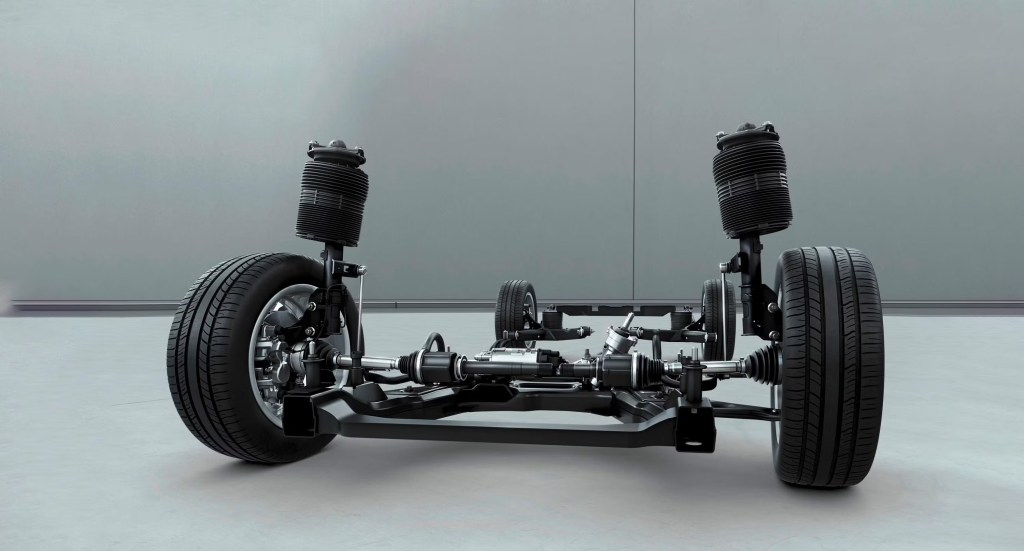
Air suspension is sold as the ultimate luxury upgrade. Magic carpet ride. Adjustable ride height. Sport mode firmness. Off-road clearance. Comfort at the press of a button.
And when it works, it is genuinely impressive.
The problem is that air suspension systems do not age gracefully. Rubber air springs dry out. Compressors wear. Valve blocks stick. Ride height sensors fail. Moisture enters lines. Software glitches throw fault codes.
The result is a car that can sit down overnight like a tired horse, refuse to rise in the morning, and present you with a four-figure invoice before you’ve even had breakfast.
Replacing one air strut can cost more than replacing all four steel springs and dampers on an entire conventional car. Compressors are rarely cheap. Diagnosing faults often involves labour-heavy work.
Air suspension is not a question of if it will fail. It is a question of when. And when it does, the cost is rarely subtle.
Matrix LED and Laser Headlights: Brilliant Until They Break
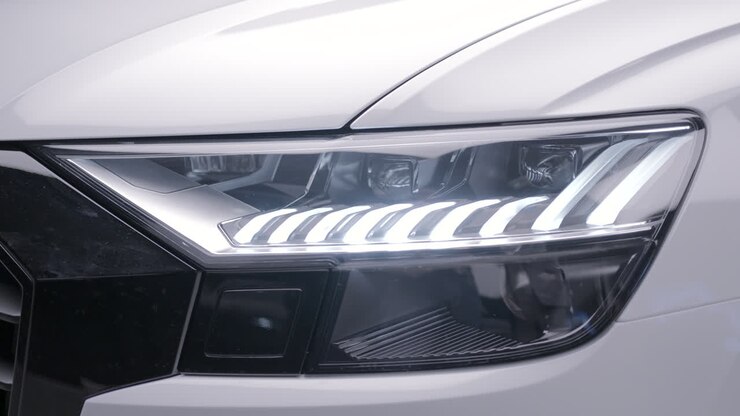
Modern headlights now cost more than entire cars used to. Matrix LED. Laser high beam. Adaptive beam shaping. Automatic shadowing. Pixel-level control.
They are technical marvels. They are also financial time bombs.
A basic halogen bulb used to cost a few pounds. A xenon ballast was annoying but manageable. A modern adaptive LED or laser headlight is a sealed, coded, integrated unit with cooling systems, control modules, motors, and sensors.
Crack one lens? The entire unit is often replaced. Water ingress? Replace the unit. Control module failure? Replace the unit.
It is not unusual for a single modern headlight to cost £1,500–£3,000 fitted. On premium cars, more. And because they are coded and linked to vehicle systems, used units are not always straightforward.
They are wonderful. They are also absurdly fragile for something mounted on the front of a car that meets stones, grit, salt, and careless parking.
Panoramic Glass Roofs: Light, Air, and Leaks
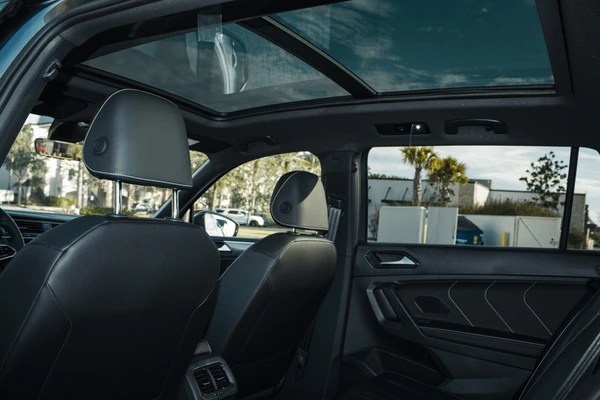
A panoramic roof makes a cabin feel expensive. It lets in light. It impresses passengers. It looks fantastic on the configurator.
It also adds weight high up, introduces complex drainage systems, relies on large rubber seals, and creates a perfect opportunity for water to enter your life.
Blocked drains are common. Misaligned panels happen. Motor mechanisms fail. Rattles develop. Seal shrinkage leads to wind noise and leaks.
When a panoramic roof fails, it does not fail quietly. It fails by dripping water into headliners, electronics, and airbag modules.
Repairing a leaking panoramic roof is rarely simple. Often it involves removing interior trim, clearing drains, replacing seals, or in worst cases replacing the entire cassette. None of this is cheap.
It looks premium. It ages like milk.
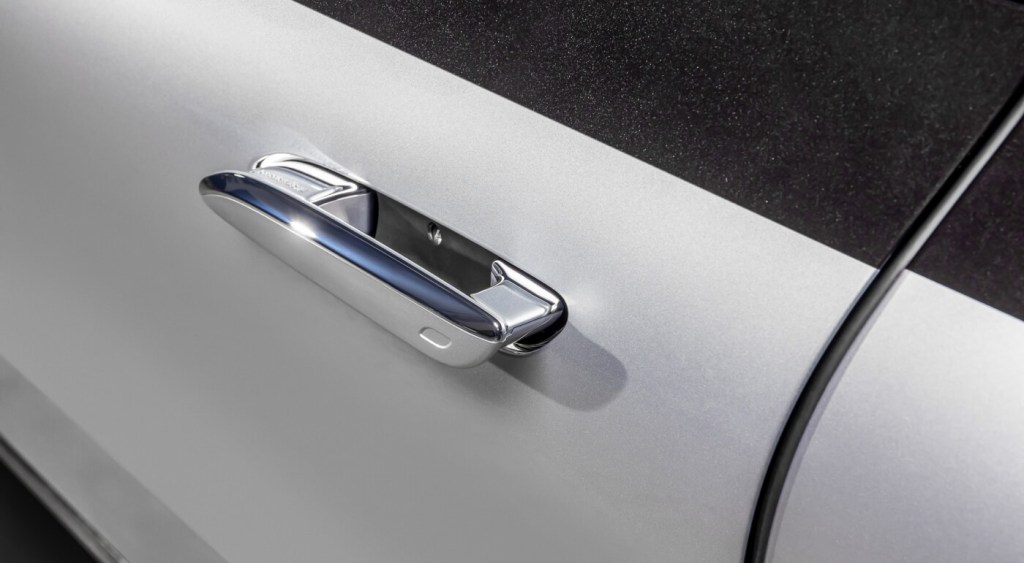
Soft-Close Doors and Power Trunks: Luxury That Struggles With Winter
Soft-close doors are sold as a mark of refinement. Gently pull the door, and the car finishes the job for you. Power trunks open and close with theatrical smoothness.
Until a motor fails. Or a sensor misreads. Or ice interferes. Or a latch wears.
What was once a mechanical latch is now a networked, motorised, sensor-controlled system that must operate perfectly to function at all.
When it fails, doors may refuse to close properly. Trunks may stop halfway. Warning lights appear. And what should have been a £100 latch becomes a £700 module plus labour.
It is luxury theatre. It is not ownership-friendly engineering.
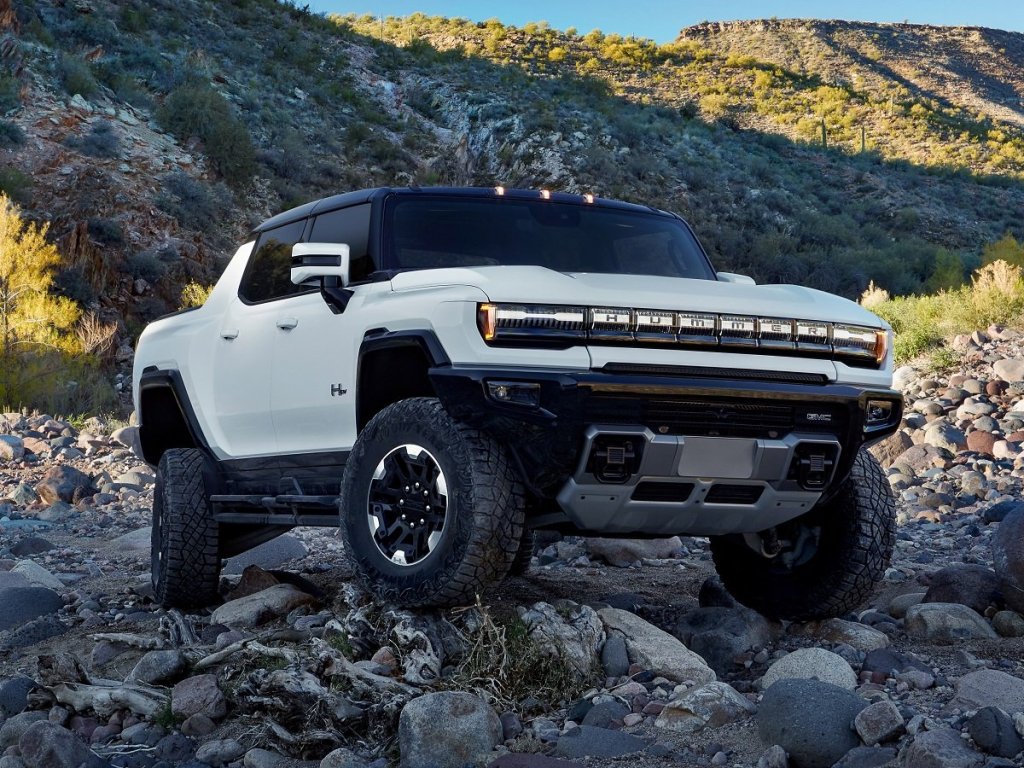
Four-Wheel Steering: Clever, Complicated, and Rarely Necessary
Rear-wheel steering makes large cars feel smaller. It improves turning circles and high-speed stability. It is genuinely clever engineering.
It is also rarely essential for most drivers and introduces actuators, control units, alignment complexity, and calibration requirements to the rear of the car.
When it works, you forget it exists. When it fails, the car may throw faults, alter handling behaviour, and require specialist diagnosis and expensive parts.
This is not a high-failure item in the short term. It is a long-term ownership multiplier. Another system that must remain perfect for the car to feel right.
Clever. Useful. Financially unnecessary.
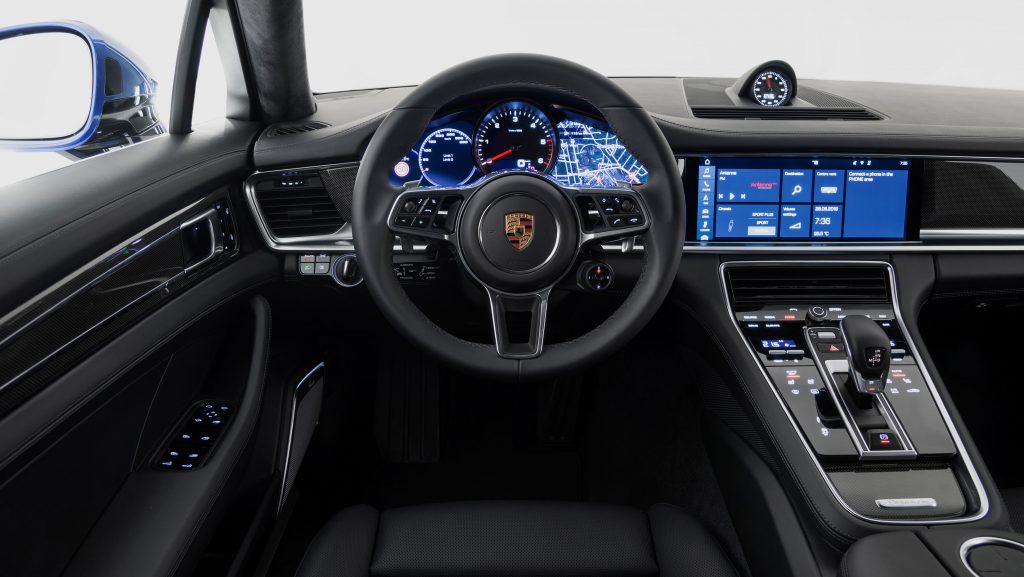
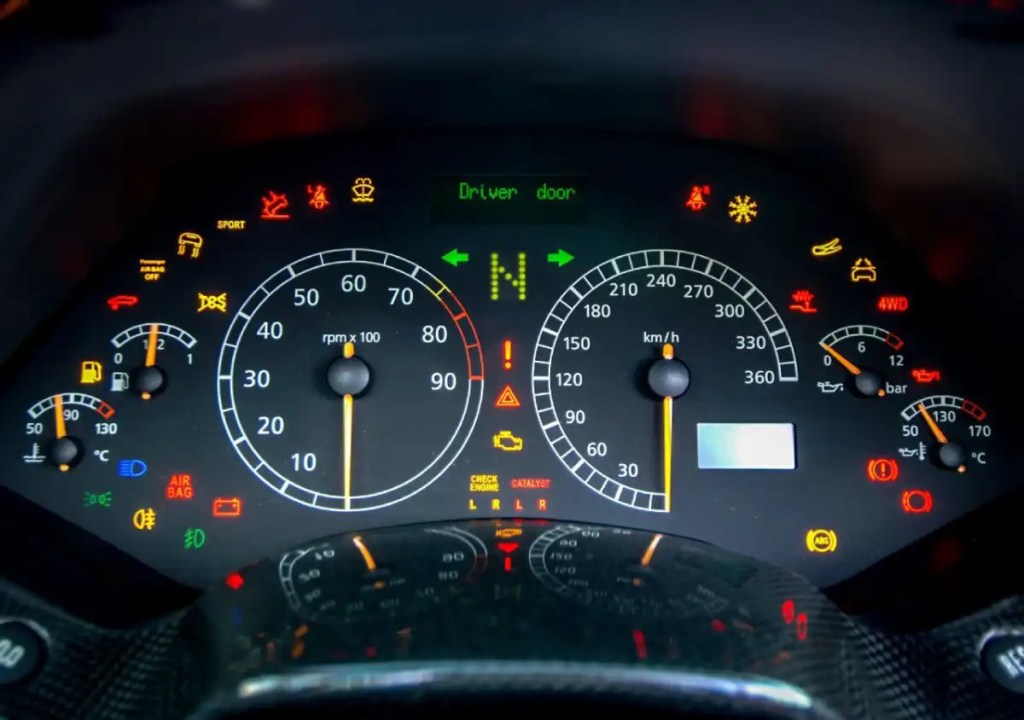
Fully Digital Instrument Clusters: Screens Instead of Dials
Digital clusters look modern. They are configurable. They impress at night. They can show maps, themes, animations, and modes.
They are also screens. Screens fail. Backlights dim. Pixels die. Software glitches. Control modules lose communication.
A traditional analogue cluster can often be repaired, rebuilt, or replaced cheaply. A modern digital cluster is usually a sealed unit tied to immobilisers, mileage, and security systems.
Replacement costs are often shocking. Programming adds more cost. Used units are frequently locked.
What used to be a simple display is now a high-value electronic component that ages like a tablet — not like a car part.
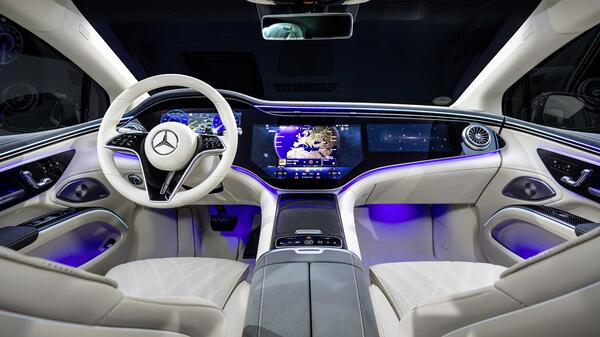
Integrated Touch-Everything Interiors
Climate controls on screens. Seat controls on screens. Drive modes on screens. Heated seats in menus. Demisting buried in sub-menus.
This is sold as modern. It is actually a cost-saving exercise dressed up as progress. Physical switches cost money. Software buttons do not.
The result is that core functions now depend on screens, processors, and operating systems. When the infotainment system crashes, your heating, seat heating, and sometimes even headlights are affected.
Touchscreens also age poorly. Delamination. Dead zones. Slow processors. Outdated software.
Replacing an infotainment unit can cost more than replacing an engine control unit used to. And unlike engines, these systems feel obsolete long before they physically fail.
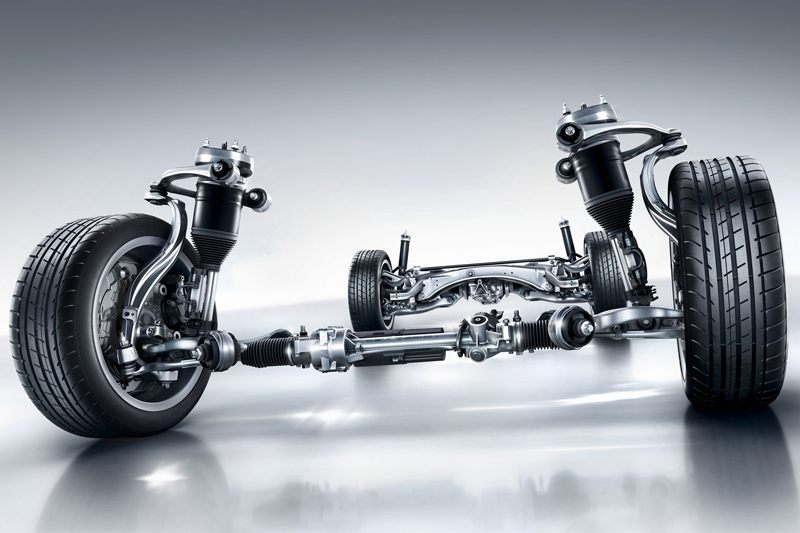
Active Anti-Roll Systems and Adaptive Dampers
Active anti-roll bars, magnetorheological dampers, electronically controlled suspension. All sold as the perfect blend of comfort and handling.
They are impressive when new. They are expensive when old.
A passive damper is a consumable. An adaptive damper is a high-value electronic component. A failed adaptive damper can cost three to five times more than a conventional one.
Active anti-roll systems add hydraulic pumps, motors, sensors, and control units. Failure is rare early on. It is expensive later.
Again, this is not bad engineering. It is ownership-unfriendly engineering.
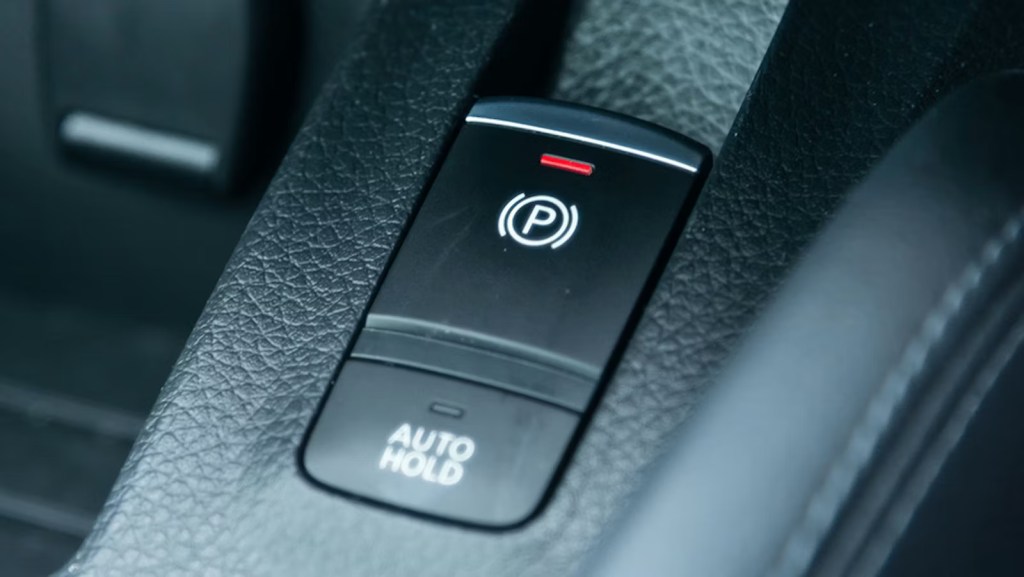
Electronic Parking Brakes and Auto-Hold
Electronic parking brakes free up cabin space. Auto-hold is convenient in traffic.
They also make basic servicing more complicated. Rear brake jobs now require diagnostic tools. Motor failures can lock calipers. Control module faults can immobilise the parking brake.
What was once a cable is now a computer-controlled actuator. It saves space. It adds cost. It complicates simple jobs.
It is not catastrophic. It is another example of small complexity added everywhere.
Potential Specifications
To make these systems viable long-term, manufacturers would need to design them very differently:
- Air suspension: Modular, rebuildable air springs and compressors with serviceable components rather than sealed units
- Lighting systems: Replaceable control modules and lenses, not sealed one-piece headlight assemblies
- Panoramic roofs: Simplified drain designs and easily replaceable seal systems
- Digital clusters: Standardised display panels with modular control boards
- Adaptive dampers: Cheaper, more standardised electronic damper designs with aftermarket support
- Infotainment systems: Physical redundancy for critical controls and long-term software support
- Electronic parking brakes: Manual release systems and simplified actuator design
None of this is technically difficult. It is commercially inconvenient.
Reality Check
Could this be built?
Yes. Many of these systems already exist in more serviceable, modular forms in commercial and industrial applications.
Would it make financial sense?
For manufacturers, no. Planned obsolescence and sealed components increase parts revenue and reduce long-term support obligations.
Is there a realistic customer for it?
Yes. Long-term private owners. But they are not the primary target market for modern new cars.
Final Verdict
Modern cars are not getting worse at driving. They are getting worse at aging.
The features that sound most impressive in a showroom are often the ones that make ownership quietly miserable later. Not because they are inherently bad ideas. But because they are engineered for sales cycles, not ownership cycles.
If you want a car that ages well, look for boring engineering. Simple suspension. Basic lighting. Physical switches. Mechanical systems.
The most impressive feature in 2026 is not adaptive, connected, or configurable.
It is durability.

 UNBUILT GARAGE
Leave a comment