
A ranking of brands the industry quietly buried, then spent decades trying to replace with focus groups.
Introduction
The car industry loves to pretend that extinction is always rational.
When a manufacturer disappears, the official explanation is tidy: the market shifted, customers moved on, the numbers stopped adding up. It’s presented as evolution — survival of the fittest, business Darwinism, nothing personal. And yet, when you look at what modern cars have become, something doesn’t quite line up.
Because if the industry really did evolve, it’s strange how often it now tries to recreate the very qualities it once allowed to die.
Character is marketed as a trim level. Heritage is simulated through design cues. Individuality is promised, then diluted by platforms designed to offend no one in thirty-seven markets at once. The irony is uncomfortable: many of the traits brands now chase desperately were once embodied, naturally, by manufacturers that no longer exist.
This ranking is not about nostalgia, and it’s not about sentimentality. It’s about loss — specifically, the loss of thinking that didn’t scale neatly, didn’t fit corporate hierarchies, and didn’t apologise for being specific. These companies weren’t perfect. Some were chaotic, some stubborn, some commercially naive. But they offered the industry something modern carmaking increasingly lacks: a point of view.
Each marque on this list reveals a different failure mode. Some were suffocated by corporate parents. Others collapsed under their own ambition. A few simply refused to dilute themselves enough to survive. What unites them is not that they disappeared — but that the industry is poorer, blander, and more cautious because they did.
How This Ranking Was Judged
This list is not ordered by sales volume, racing trophies, or brand recognition. It is ranked by what mattered.
The criteria are editorial, not numerical: clarity of purpose, integrity of design or engineering, and the cultural or philosophical gap left behind once the brand was gone. The higher the ranking, the more the industry still feels that absence — often without admitting where the original idea came from.
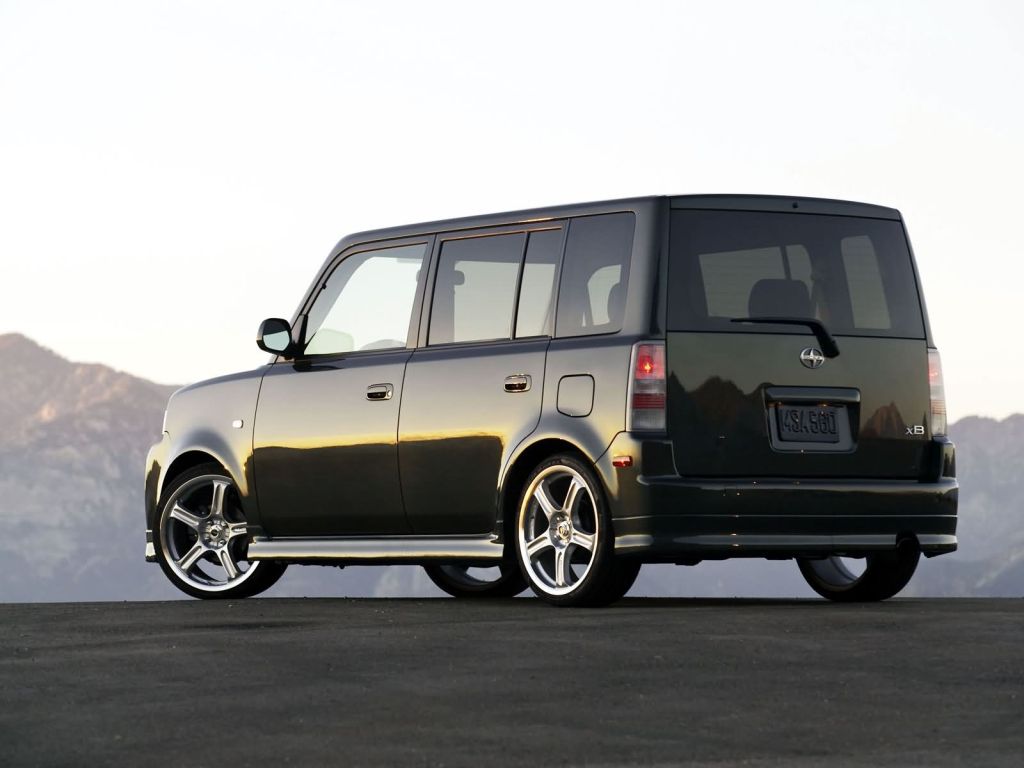
10. Scion
Context
Scion was created as a sub-brand to reach younger buyers who felt alienated by traditional automotive marketing. It rejected legacy, luxury cues, and sales theatre in favour of simplicity and cultural relevance.
Why It Mattered
Scion understood something most manufacturers still struggle with: younger buyers wanted authenticity, not aspiration. Fixed pricing, limited trims, and encouragement of personalisation made the cars feel owned, not upsold.
Why It Failed
Its success created discomfort rather than confidence within its parent organisation. Once the novelty wore off, Scion was quietly starved of investment and direction.
What the Industry Lost
A genuine youth brand that didn’t rely on artificial edginess. Proof that honesty and restraint can be more compelling than endless “sport” packages.

9. Saturn
Context
Saturn was a radical experiment in transparency, fixed pricing, and customer trust within a traditionally opaque industry. It was less about excitement and more about relationship.
Why It Mattered
It demonstrated that people valued being treated fairly more than being dazzled. Saturn customers weren’t loyal because the cars were exceptional — they were loyal because the brand was.
Why It Failed
Its philosophy conflicted with the wider corporate culture around it. Trust is difficult to maintain inside a system built on incentives and hierarchy.
What the Industry Lost
The idea that respect can be a differentiator. Today’s obsession with brand “experience” often forgets that honesty was once enough.
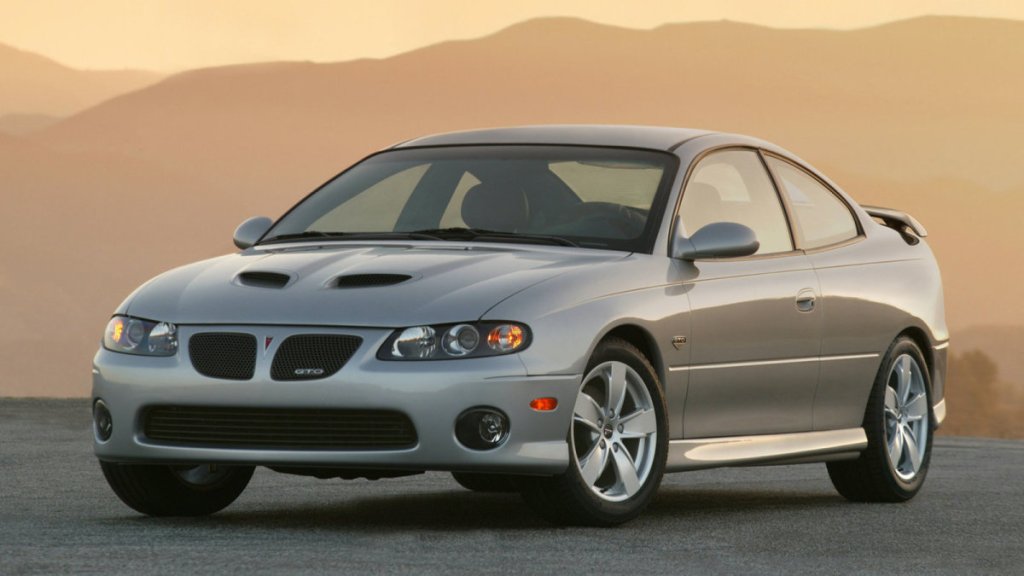
8. Pontiac
Context
Pontiac served as a performance-oriented counterpoint within a sprawling corporate structure. It existed to be more direct, more emotional, and less polite.
Why It Mattered
It offered accessible performance without luxury pretence. Pontiac cars felt like they were trying — even when they didn’t quite succeed.
Why It Failed
Brand overlap and internal politics diluted its purpose. Instead of clarifying its role, it was allowed to compete with siblings for relevance.
What the Industry Lost
A reminder that performance doesn’t need prestige. Much of today’s “sporty” branding feels hollow by comparison.
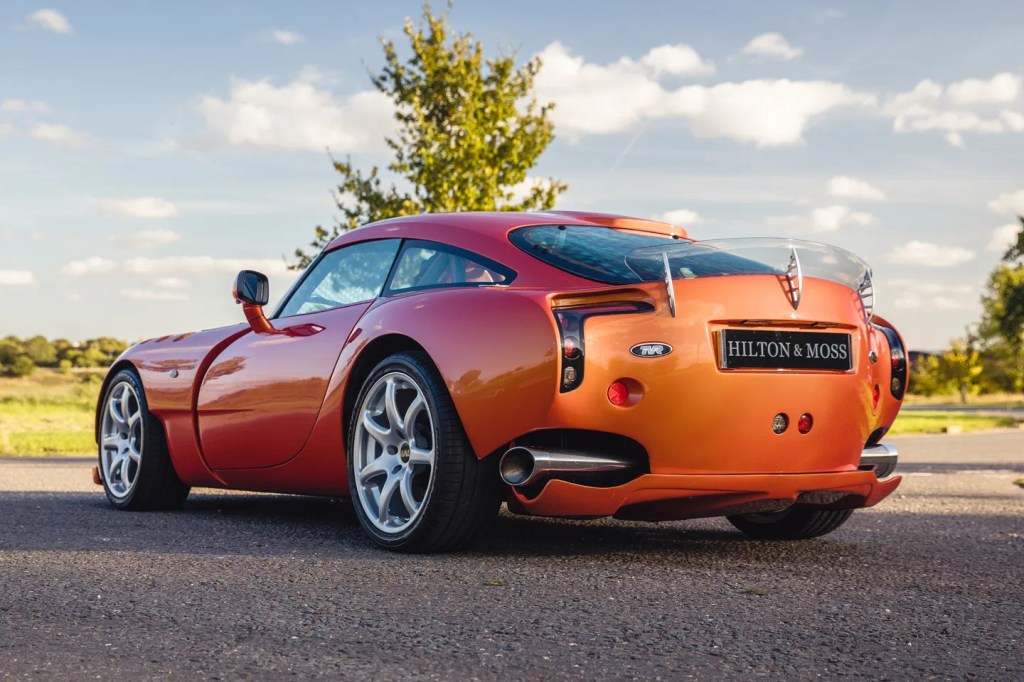
7. TVR
Context
TVR was a small British manufacturer that built uncompromising sports cars with little regard for convention. Safety nets were optional. Personality was not.
Why It Mattered
TVR cars felt alive in a way few modern machines do. They were loud, raw, and demanded attention from the driver.
Why It Failed
Brilliance without discipline is not sustainable. Lack of structure, consistency, and long-term planning eventually caught up.
What the Industry Lost
Mechanical honesty. The industry now simulates drama electronically because it no longer builds cars brave enough to create it naturally.
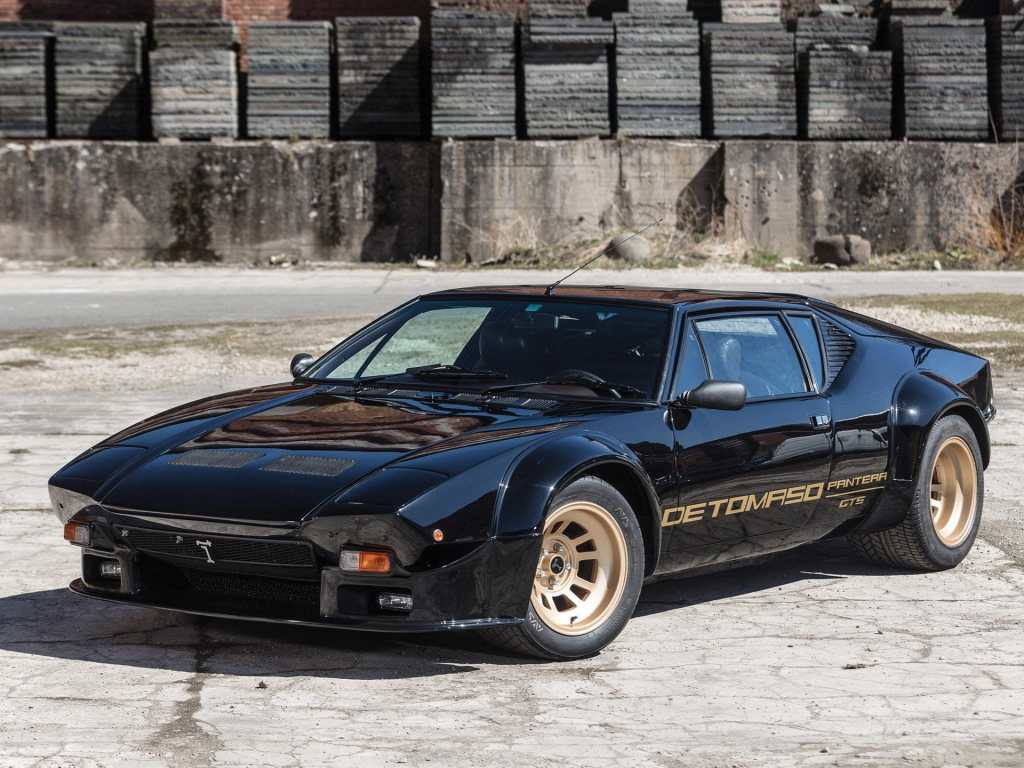
6. De Tomaso
Context
De Tomaso blended Italian design with American power in an era before global collaboration became sanitised. It was ambitious, chaotic, and proudly unconventional.
Why It Mattered
It proved that creativity thrives at intersections — of cultures, ideas, and engineering philosophies. De Tomaso didn’t worry about brand purity.
Why It Failed
Overreach and instability undermined its foundations. Vision outpaced execution.
What the Industry Lost
The courage to mix ideas freely. Modern platform sharing is efficient, but rarely inspired.
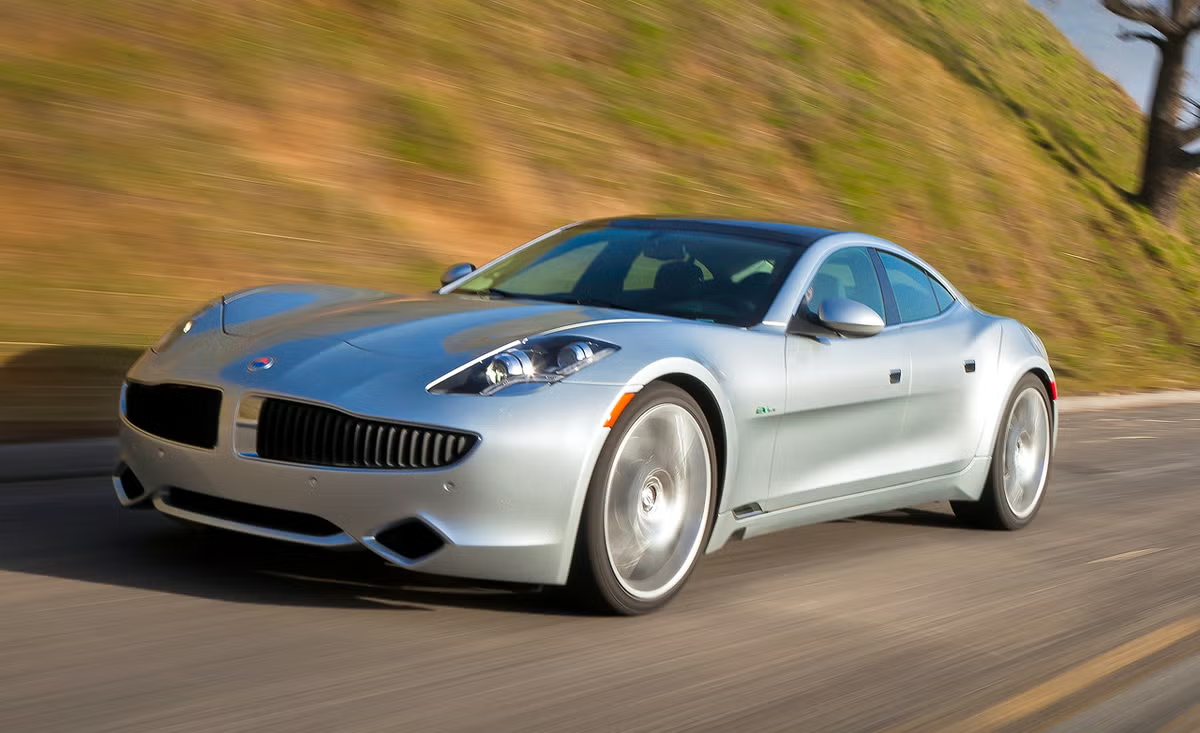
5. Fisker (Original Incarnation)
Context
The first Fisker attempted to lead with design at a time when sustainability was still treated as a technical constraint rather than a narrative.
Why It Mattered
It put aesthetics back at the centre of modern luxury. The cars suggested that efficiency did not need to look apologetic.
Why It Failed
Execution lagged ambition. Infrastructure and reliability issues eroded confidence before the brand could stabilise.
What the Industry Lost
Design-led thinking unburdened by legacy platforms. Many brands now chase this ideal, but rarely with the same clarity.

4. Hummer (Original Era)
Context
Hummer was unapologetic excess made metal. It never pretended to be efficient, discreet, or sensible.
Why It Mattered
It was honest about what it was. There was no attempt to justify its existence through lifestyle narratives.
Why It Failed
Timing and optics shifted against it. Cultural tolerance for overt excess evaporated.
What the Industry Lost
A brand that didn’t apologise. Modern “rugged” vehicles now hedge their language, unsure whether they’re allowed to exist.
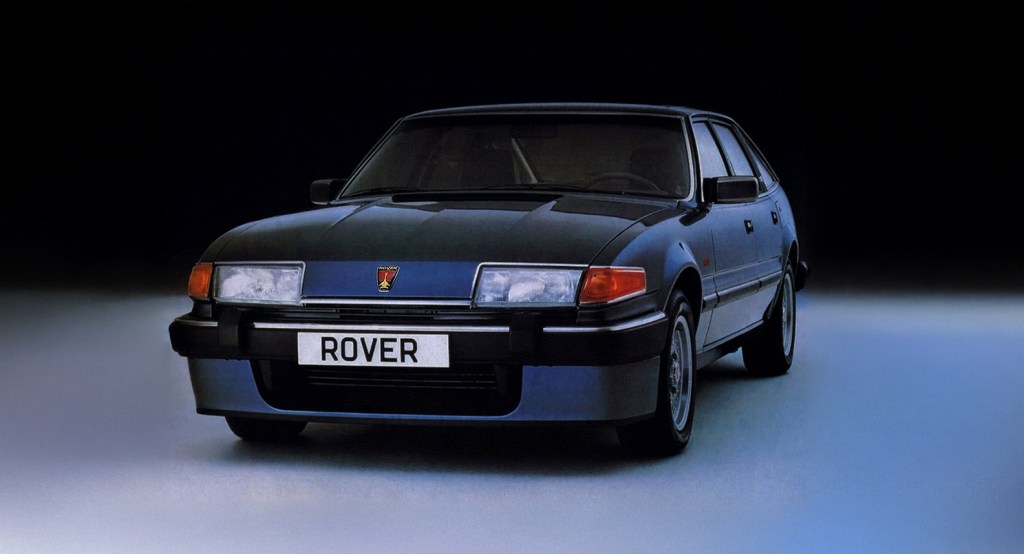
3. Rover
Context
Rover represented understated British comfort and restraint. It relied heavily on heritage while struggling to modernise meaningfully.
Why It Mattered
At its best, Rover offered calm, dignified alternatives to overtly sporty or luxury-focused rivals.
Why It Failed
Stagnation disguised as tradition. Evolution never arrived with enough conviction.
What the Industry Lost
Subtlety without cynicism. Many modern cars chase “premium” through noise rather than composure.
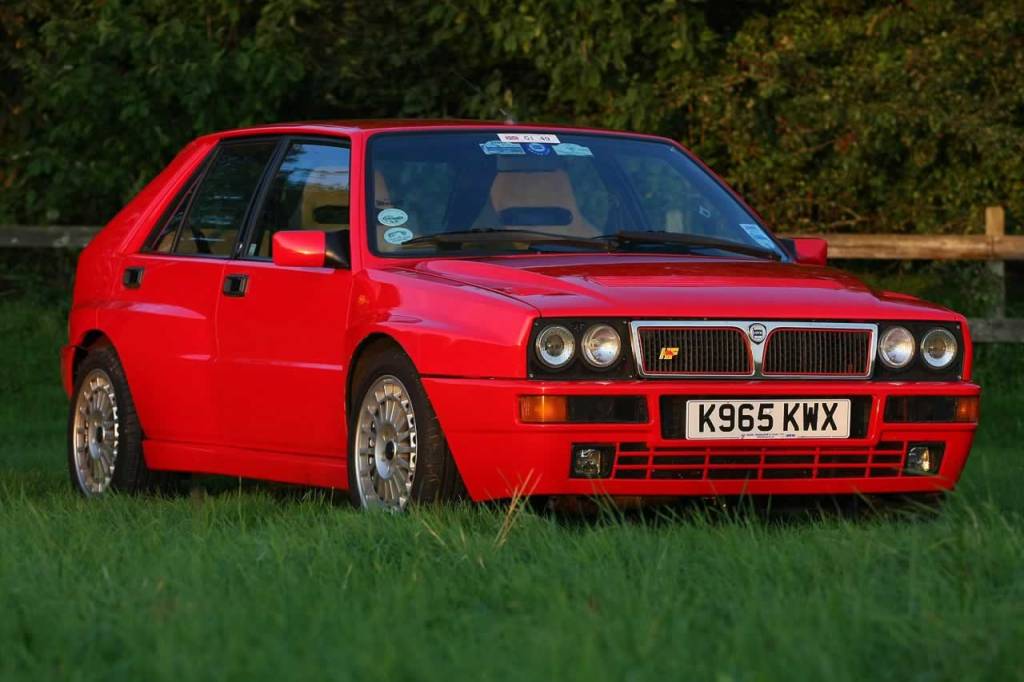
2. Lancia
Context
Once among the most innovative manufacturers in the world, Lancia pioneered technologies that later became industry standards.
Why It Mattered
Innovation was baked into the brand’s identity, not marketed as disruption. Lancia advanced quietly, confidently.
Why It Failed
Corporate neglect. A slow, deliberate erosion rather than a sudden collapse.
What the Industry Lost
Innovation without theatrics. Today’s industry often confuses novelty with progress.
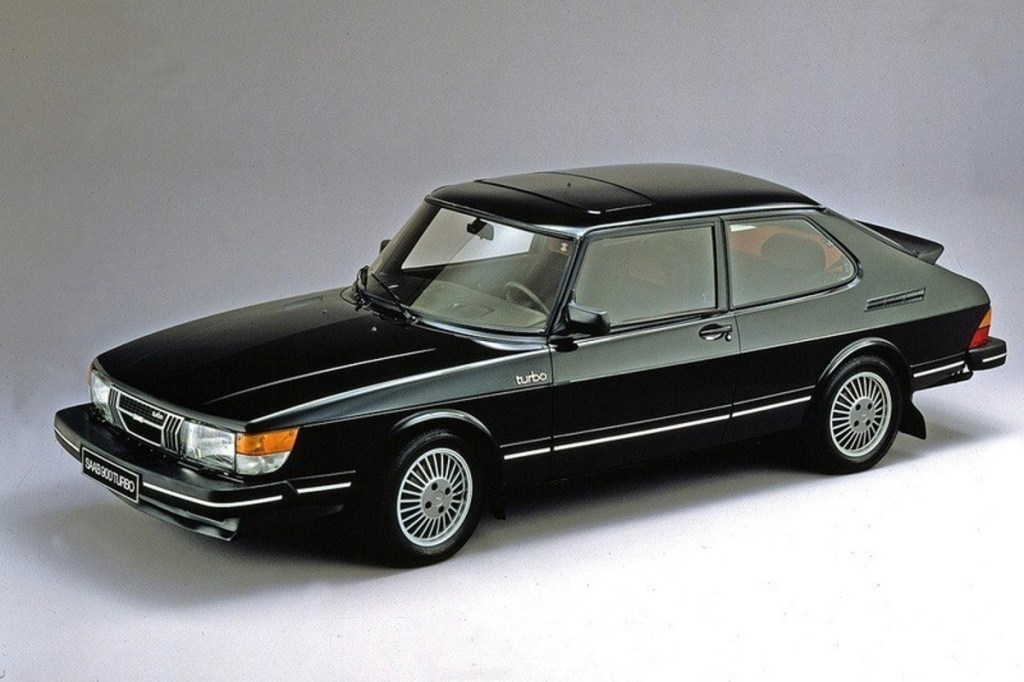
1. Saab
Context
Saab built cars the way engineers build tools: for humans, not for fashion. Ergonomics, safety, and turbocharging were approached differently — deliberately so.
Why It Mattered
Saab refused to design by committee. Its cars felt thoughtful, individual, and purpose-driven.
Why It Failed
It would not dilute its identity to scale. In a world that rewards compromise, that stubbornness proved fatal.
What the Industry Lost
Intelligent individuality. Modern cars talk endlessly about being “driver-focused,” but rarely demonstrate it as convincingly.
The Pattern the Industry Avoids
These brands did not disappear because customers stopped caring. They disappeared because corporate systems stopped tolerating difference.
As platforms grew, individuality became a risk rather than an asset. Specificity was replaced with safety. The industry didn’t get better — it got flatter.
Final Verdict
The modern car industry did not outgrow these manufacturers.
It buried them, then spent years trying to recreate their qualities without admitting why they worked in the first place.
These brands didn’t die because they were wrong.
They died because they were too specific, too opinionated, and too honest for an industry increasingly afraid of all three.
And the sameness you see on the road today?
That’s the cost of their absence.

 UNBUILT GARAGE
Leave a comment