Speculative enthusiasm for a body style the industry quietly abandoned — and now pretends it never needed.
Introduction
The car industry has spent the last twenty years lying to you.
Not maliciously. Not dramatically.
More like a hotel advertising a “sea view” — technically possible, but fundamentally dishonest.
Because the moment the estate car fell out of favour, honesty left the showroom with it.
What replaced it was a fleet of high-riding compromise machines that promise adventure and deliver absolutely nothing more exciting than a supermarket run. SUVs, in other words — the vehicular equivalent of buying mountaineering equipment to reach the top shelf at home.
This isn’t about one specific car. The renewed interest in wagons is speculative, but the reason behind it is not: drivers are tired of cars that pretend to be useful instead of simply being useful.
And the estate car, inconveniently, never pretended.
It just worked.
Which is precisely why the industry stopped building it.
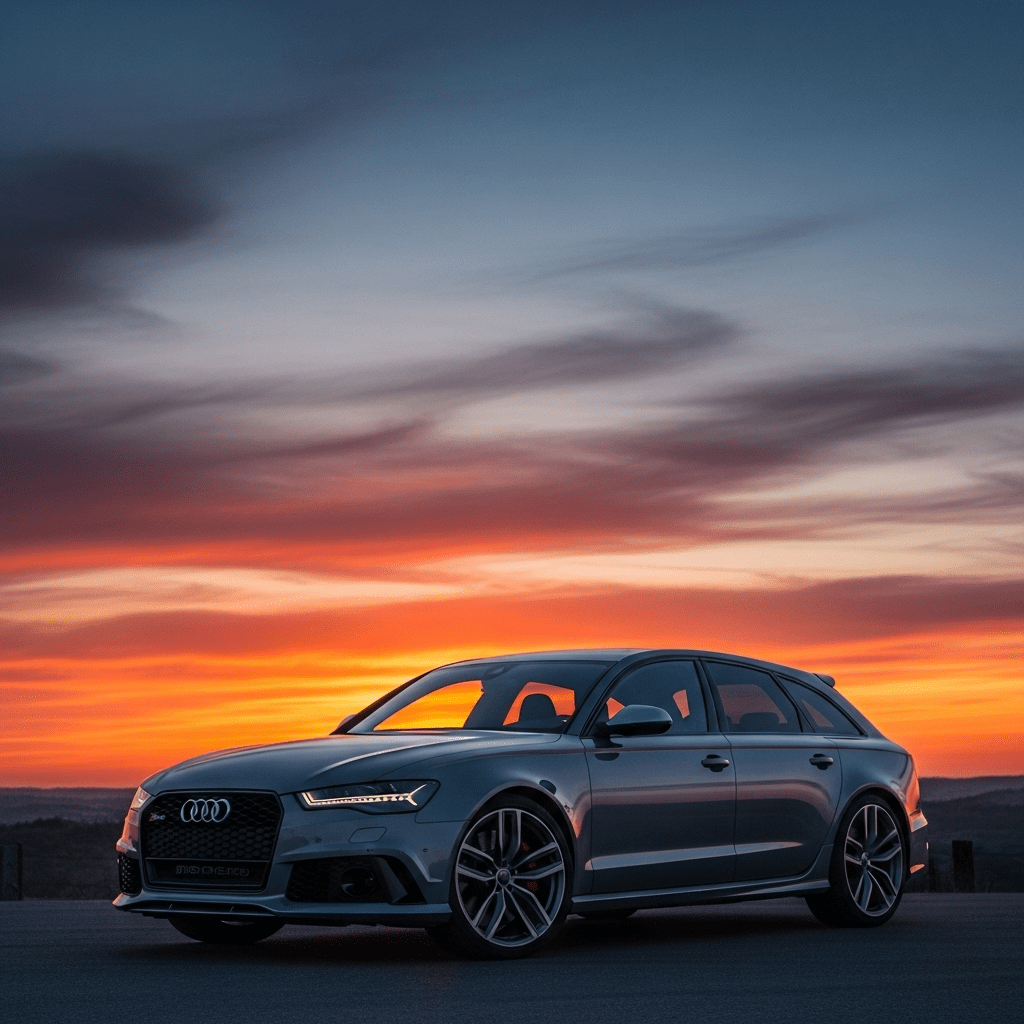
Brand DNA vs the Concept
Every serious premium manufacturer built its reputation on wagons — and then abandoned them the moment they realised they could charge more money for less engineering.
BMW had the Touring.
Audi had the Avant.
Mercedes had the Estate.
Those weren’t niche indulgences. They were the thinking person’s family car: fast, composed, and designed for people who actually enjoyed driving rather than being photographed arriving.
Then the SUV arrived, and suddenly these same brands decided their customers would prefer the aerodynamic profile of a bungalow and the road manners of a washing machine.
So when people now talk about “bringing back the wagon,” it isn’t nostalgia.
It’s a verdict.
It says: you used to build cars for drivers.
Now you build cars for spectators.
And that is the most expensive downgrade in modern motoring — paying more to get less, and calling it progress.
Design Implications
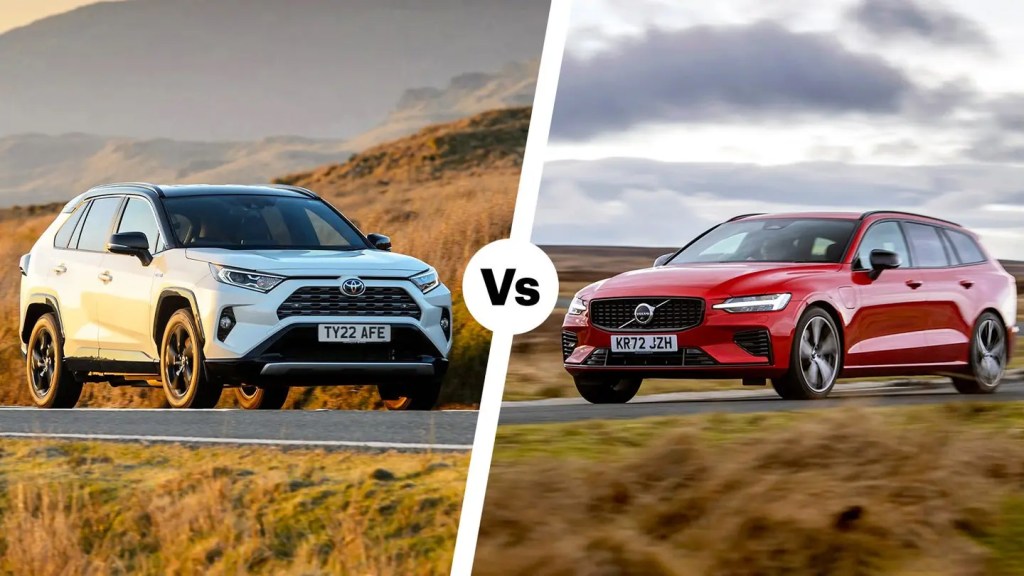
Manufacturers claim estates died because they were unfashionable.
That’s like saying tailored suits died because tracksuits became popular.
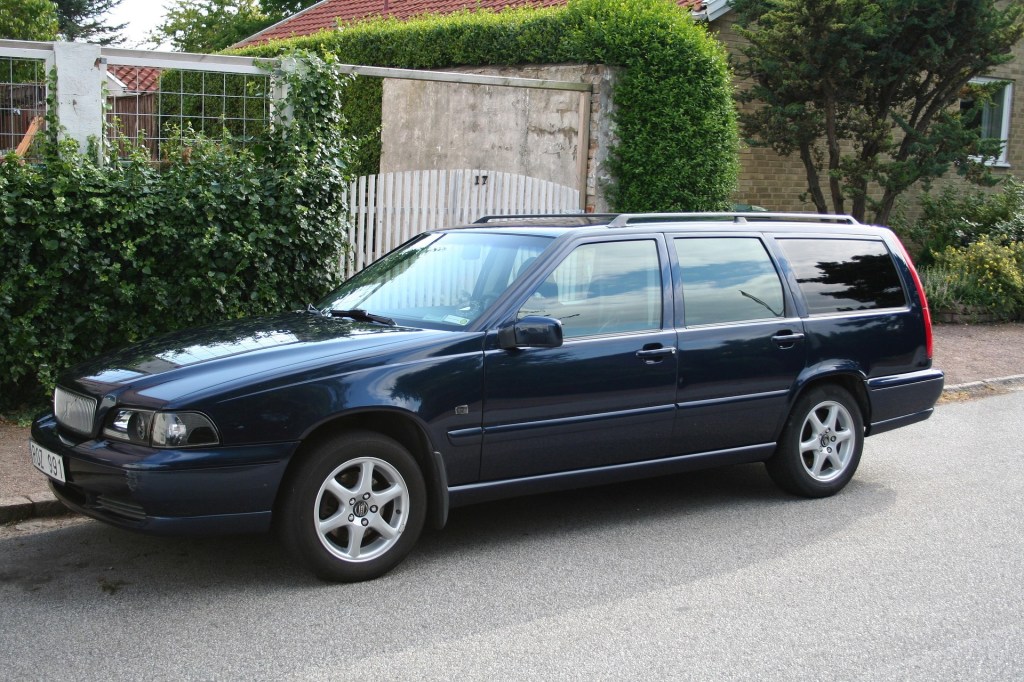
An estate is honest in silhouette. The roofline stays where the space is. The rear window is large enough to see out of. The boot isn’t styled — it’s engineered.
Compare that with the modern SUV.
Tiny rear glass.
Inflated wheel arches.
A stance that suggests it’s about to conquer a mountain, when in reality it’s trying to clear a kerb.
All of it theatre.
A wagon, by contrast, looks like it was designed by someone who actually carries things — rather than someone who carries brand guidelines.
That’s why speculative estate concepts don’t feel radical.
They feel refreshing.
Because they’re not reinventing the car.
They’re simply remembering what it was for.
Interior Philosophy
Inside is where the estate car humiliates the SUV.
Because a proper wagon is built around function, not fantasy.
The seats fold flat.
The load floor is low.
The visibility is clear.
It is a car designed to be used.
An SUV interior, meanwhile, is designed to flatter the driver.
You sit higher so you “feel safer.”
The dashboard is wider so you “feel important.”
The boot is smaller so you “feel the consequences.”
A wagon doesn’t make you feel tall.
It makes you feel capable.
That is the difference between engineering and ego — and it is the exact difference the industry no longer wants you to notice.
Market Positioning
Manufacturers didn’t abandon estates because customers stopped needing them.
They abandoned them because SUVs are vastly more profitable.
You can sell height as a luxury feature, even when it delivers no real-world advantage for the overwhelming majority of buyers.
But strip away the marketing gloss and the inflated ride height, and the estate car remains the superior format for almost everyone.
Families get more space and better efficiency.
Professionals get composure rather than compensation.
Enthusiasts get handling that feels intentional, not accidental.
The wagon achieves all of this while consuming less fuel, less road space, and far less dignity.
So the real question isn’t “why estates died.”
It’s “why we allowed SUVs to replace them without protest.”
The answer is painfully simple.
SUVs sell fantasy.
Estates sell competence.
And fantasy, it turns out, is far easier to monetise.
Brand Risk
Here is why a genuine wagon renaissance terrifies manufacturers.
Because bringing estates back doesn’t just offer an alternative.
It exposes the mistake.
It says: here is the car you should have bought if you cared about space, performance, and driving.
And that is not a conversation brands enjoy having with customers who just financed an £80,000 lifestyle decision that handles like a small boat.
SUVs flatter.
Estates deliver.
And in an industry built on flattering the buyer, delivery becomes a liability.
Potential Specifications
If wagons return, they cannot be treated as heritage experiments or sentimental side projects.
- They need to sit on the brands’ real performance architectures — because if you are going to build an honest car, it needs to be a capable one.
- Powertrains would mirror their premium sedans: straight-six petrol engines, usable hybrid systems, and proper rear-biased drivetrains.
- Rear-wheel drive would be standard, because if you’re buying an estate and still want front-wheel drive, what you’re actually buying is reassurance.
- Performance would rival their SUVs, which will be awkward — because nothing undermines the image of an “adventure vehicle” quite like being out-handled by something designed to carry a Labrador.
- Pricing would place them directly against those SUVs, where they belong.
Anything cheaper becomes irrelevant.
Anything more expensive becomes parody — and nobody wants to spend six figures proving they’ve misunderstood the point.
Reality Check
- Could it be built?
Of course. The platforms already exist.
- Would it make financial sense?
Only if manufacturers accept that honesty earns slightly less than fantasy.
- Is there still a customer for it?
Absolutely. Drivers who want space and performance without pretending they’re on a transcontinental expedition between home and Tesco.
The audience never disappeared.
The industry simply stopped respecting it.
Final Verdict
The estate car didn’t die because it stopped being useful.
It died because it was too honest for an industry that discovered insecurity was more profitable.
And now, quietly, people want that honesty back.
That tells you everything.
The wagon isn’t retro.
It’s rational.
And in an industry that survives by selling fantasy, rationality is the one thing they never intended to bring back.

 UNBUILT GARAGE
Leave a comment