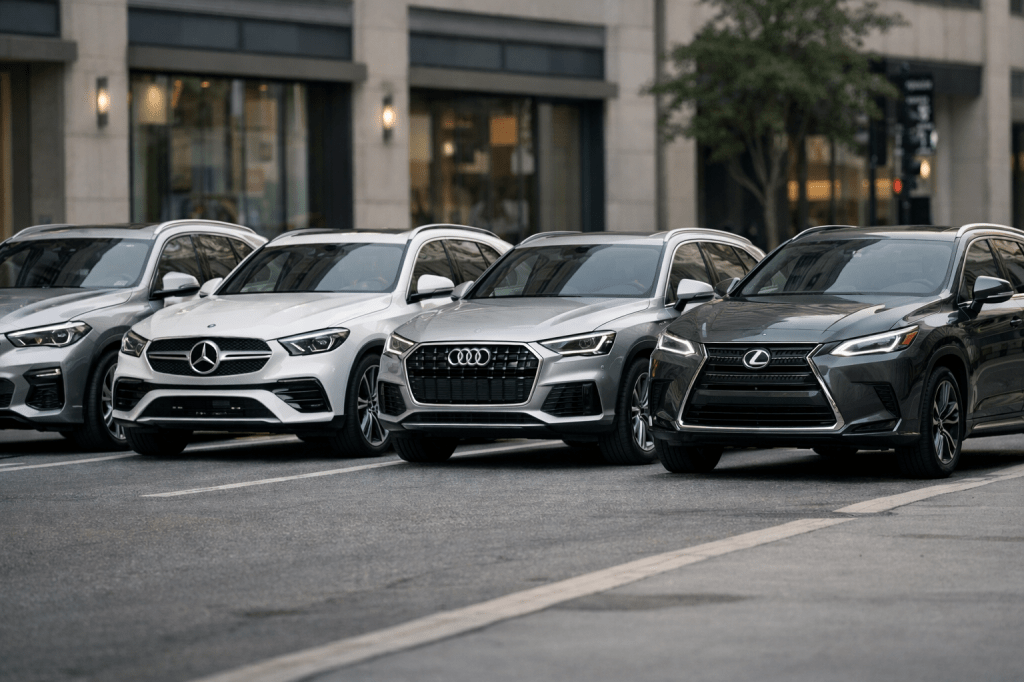
A calm look at how convincing digital car fantasies spread — and why they say more about us than the cars.
Introduction
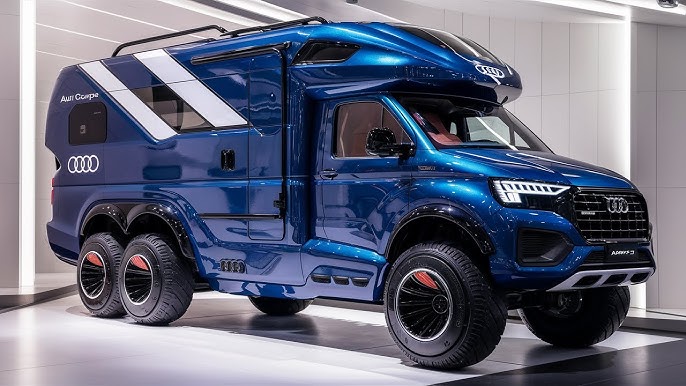
Let’s get this out of the way immediately: most of the dramatic new “concept cars” you see online are not real. They’re not secret prototypes. They’re not preview models. They are simply imaginative illustrations that look realistic enough to fool half the internet.
They appear on social media feeds and car forums every week, presented with suspicious confidence. Someone claims it’s the next electric Ferrari, the upcoming BMW M9, or a Dacia that suddenly costs more than a small house. And because the images look believable — professional lighting, familiar brand cues, tidy panel gaps — people assume there must be some truth in it.
The conflict is simple. Enthusiasts want innovation, brands want attention, and the internet wants something new to argue about. So when a convincing fake concept appears, it spreads like warm butter on toast.
And the truly interesting part is this: even when people suspect it’s fake, they share it anyway.
Brand DNA vs the Fake Concept
This is where things usually fall apart.
Every manufacturer has a visual language. Ferrari has a way of sculpting a bonnet. Porsche has a stance. Mercedes has a particular relationship between grille and headlamp that says “I cost more than you think I do.”
The fake concepts try to copy that, and sometimes they get it almost right. Almost.
You’ll see a “Ferrari SUV” with the right headlight shape, the right side intake philosophy, and the right wheel design. But then, somehow, it looks… off. The proportions are slightly too tall. The grille is slightly too busy. It feels like Ferrari’s greatest hits, played by a tribute band at a wedding.
And once you notice that, the illusion collapses.
If a concept doesn’t look like a natural evolution of the brand’s existing design, it simply isn’t credible. Yet that doesn’t stop it being believed.
Why? Because people see the badge shape, the red paint, and the dramatic stance — and they stop thinking.
It looks expensive. It looks fast. It must be real.
Design Implications
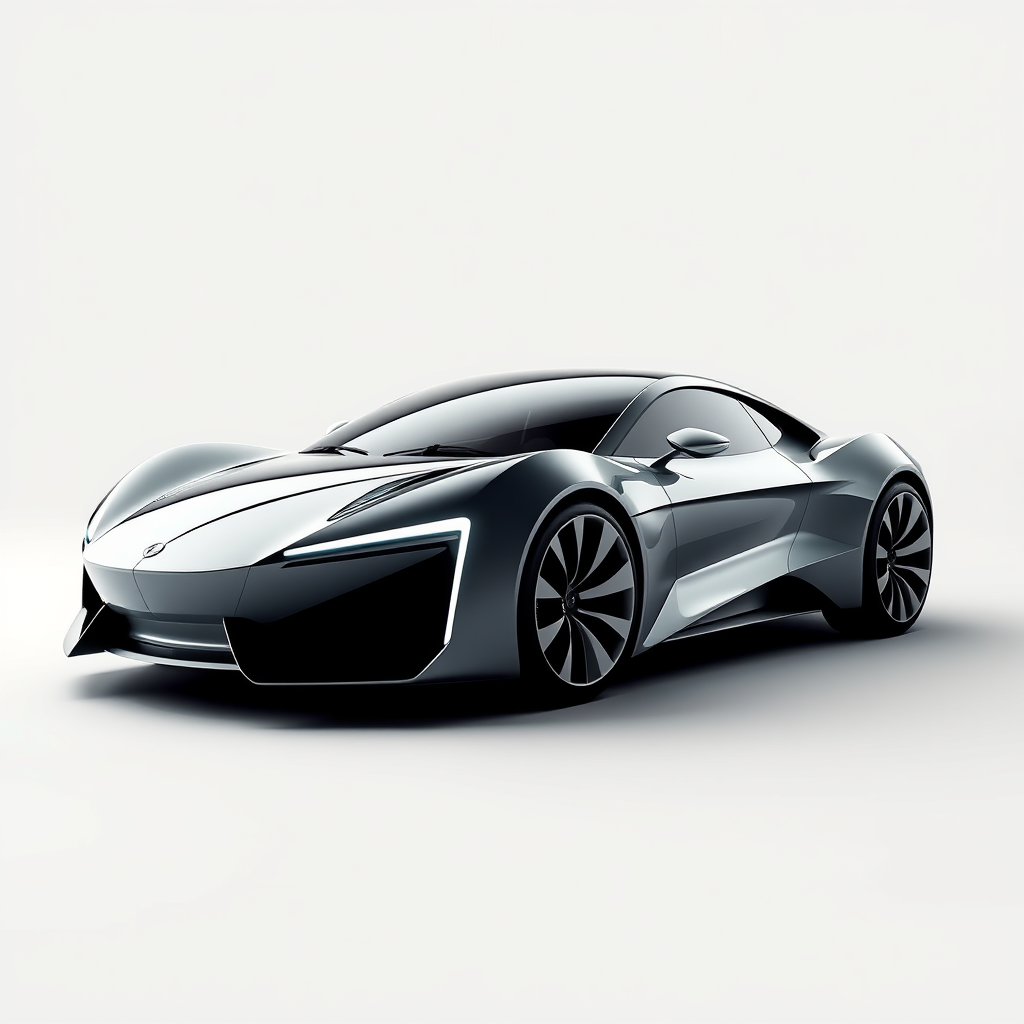
Let’s be honest. Most of the fake car concepts online look spectacular.
They are designed to.
Wide arches, aggressive headlights, sculpted shoulders — they’re all there. The fantasy works because it exaggerates what enthusiasts already want to see. More power. More drama. More presence.
But real manufacturers don’t work like that. They design within regulations, pedestrian safety standards, production limitations, and the dull but important reality of tooling costs.
Fake concepts don’t have to obey any of this.
So you end up with cars that look like a million pounds’ worth of carbon fibre and wishful thinking. Cars with wheels that could never turn. Cars with lighting elements that would be illegal in five countries before breakfast.
And yet, visually, they’re persuasive.
Because they look like what people think the future should look like.
Not what the future actually will look like.
Interior Philosophy
This is where fake concepts often become unintentionally hilarious.
The exterior is all seriousness and brand authenticity. Then you look inside.
And it’s a lounge.
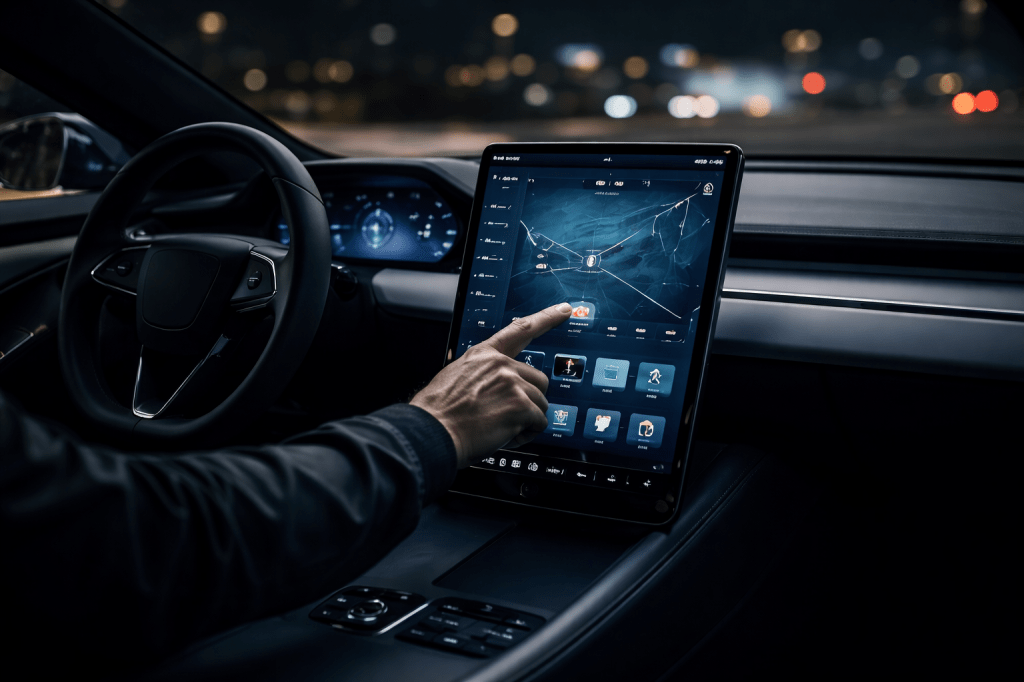
Screens everywhere. No buttons. No logic. No relationship to how people actually drive cars. It looks less like a cockpit and more like a Scandinavian dentist’s waiting room.
The problem is that real brands have interior philosophies just as much as exterior ones. BMW focuses on driver orientation. Mercedes focuses on luxury and theatre. Ferrari focuses on not distracting you from the fact that you’re about to accelerate like a startled animal.
Fake concepts ignore that.
They throw in whatever feels futuristic and call it innovation. A steering wheel shaped like a boomerang. A dashboard that looks like it was inspired by a toaster. Seats that belong in a nightclub.
It’s not coherent.
It’s decorative.
Market Positioning
This is where you have to ask a very simple question.
Who is this for?
Take the endless parade of “budget brand luxury sedans” that appear online. A Dacia that looks like a Bentley. A Hyundai that looks like a Rolls-Royce. A Skoda that suddenly thinks it’s wearing Italian tailoring.
They look brilliant. But the moment you think about the brand’s actual customer base, the idea collapses.
These manufacturers survive by being affordable, reliable, and rational. If they suddenly released a £120,000 flagship with doors that open like theatre curtains, their loyal customers would look at it and say:
“Lovely. But I’ll stick with the one that costs £18,000 and starts every morning.”
Fake concepts don’t care about this. They chase fantasy positioning. Real brands chase profitability.
One gets shared online. The other gets built.
Brand Risk
If manufacturers actually built half of what appears in these fake concept images, they would damage their brand overnight.
Brand identity is delicate. You can stretch it. You can evolve it. But you cannot replace it with something that looks like an automotive mid-life crisis.
Ferrari releasing a silent electric city hatchback? That would raise eyebrows.
Bentley releasing a budget crossover? That would cause a small riot in the showroom.
The fake concepts ignore this completely. They combine elements that would never survive a boardroom conversation.
It’s visual entertainment, not brand strategy.
Why People Believe It Anyway
This is the real heart of the issue.
People want these cars to exist.
They want Ferrari to build something absurdly fast and futuristic. They want Dacia to become luxury overnight. They want every brand to be more dramatic, more powerful, more expressive.
So when a fake concept appears, it satisfies that desire.
And the internet doesn’t run on facts.
It runs on excitement.
If it looks plausible and feels desirable, it gets believed. If it gets believed, it gets shared. And once it’s been shared enough times, it becomes part of the conversation — even if it was never real in the first place.
Potential Specifications
If a fake concept were to be taken seriously, here is what would be required to make it viable.
- Powertrain
Would need to be based on the brand’s existing engine or EV platform. For example, a “Ferrari Urbanetta” would require Ferrari’s current hybrid V8 or V12 architecture, not a random electric motor with fantasy output. - Power Output
Would have to align with the brand’s performance hierarchy. A flagship Ferrari crossover would realistically sit between 600–800 hp, matching current production hybrids. - Drivetrain
AWD would be essential for any high-performance SUV or crossover, using the manufacturer’s proven AWD systems. - Platform
Would need to share an existing architecture from the parent group to control cost. No one builds an entirely new platform for an internet fantasy. - Performance Estimates
0–60 mph would need to be competitive within the segment, typically sub-4 seconds for performance-focused brands. - Estimated Price Range
Would have to reflect brand positioning. If it wears a Ferrari badge, it cannot cost Dacia money. If it wears a Dacia badge, it cannot cost Ferrari money.
Reality Check
Could this be built?
Yes. Most fake concepts are technically possible if based on existing platforms and powertrains.
Would it make financial sense?
Rarely. The more extreme the concept, the smaller the market and the higher the risk.
Is there a realistic customer for it?
Only if the concept aligns with what the brand’s customers already expect from them.
Final Verdict
Fake car concepts online are not believed because they are convincing. They are believed because they are desirable.
The images look plausible. The ideas look exciting. And in a world where most new cars are getting increasingly similar, people will cling to anything that feels new, bold, or slightly unhinged.
That is why they get shared.
Not because they’re real.
Because they’re what people wish was real.
And until manufacturers start building cars that look as dramatic as the fantasies, this will keep happening.
 UNBUILT GARAGE
Leave a comment