A speculative look at how the modern car industry has traded courage for consensus, and why that’s both sensible and rather dull.
Introduction
This is not a real car, nor is it pretending to be one.
What you’re seeing online — those eerily similar SUVs and crossovers, lined up like clones at a supermarket car park — is an illustrative concept designed to show a trend, not a product.
The central conflict is simple: car brands used to take risks. Now, they run everything through committees, customer clinics, and spreadsheets until the result is safe, sensible… and utterly forgettable.
And when every new car looks like the last one, just with a different badge on the front, you begin to wonder if the entire industry has quietly agreed to stop trying.
Brand DNA vs the Concept
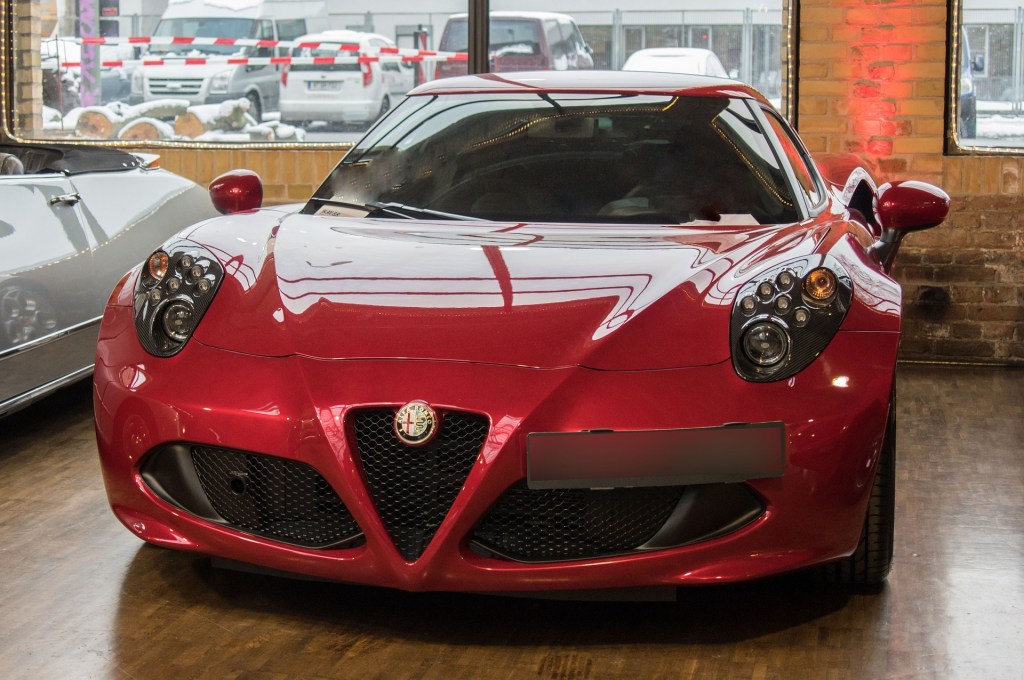
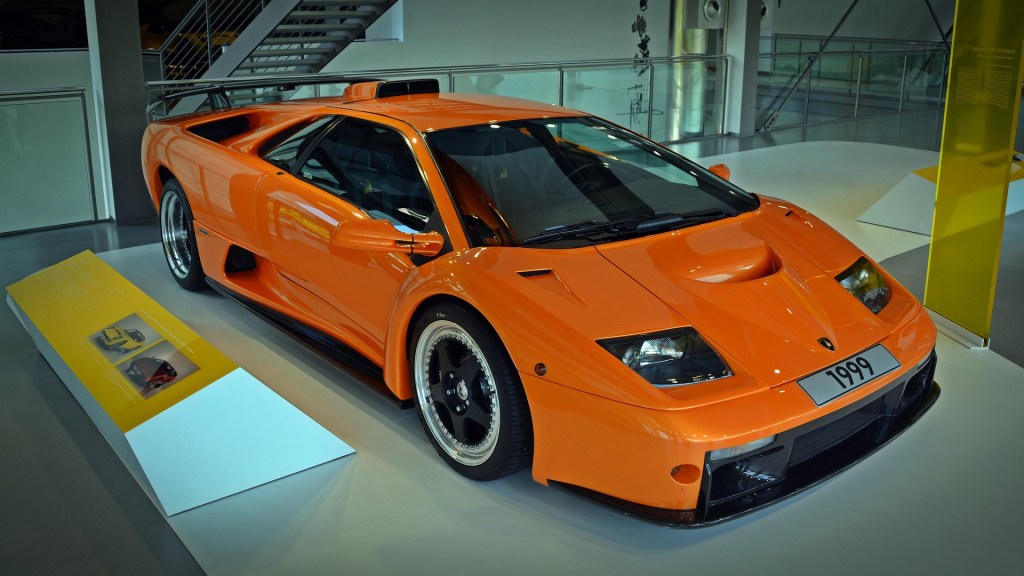
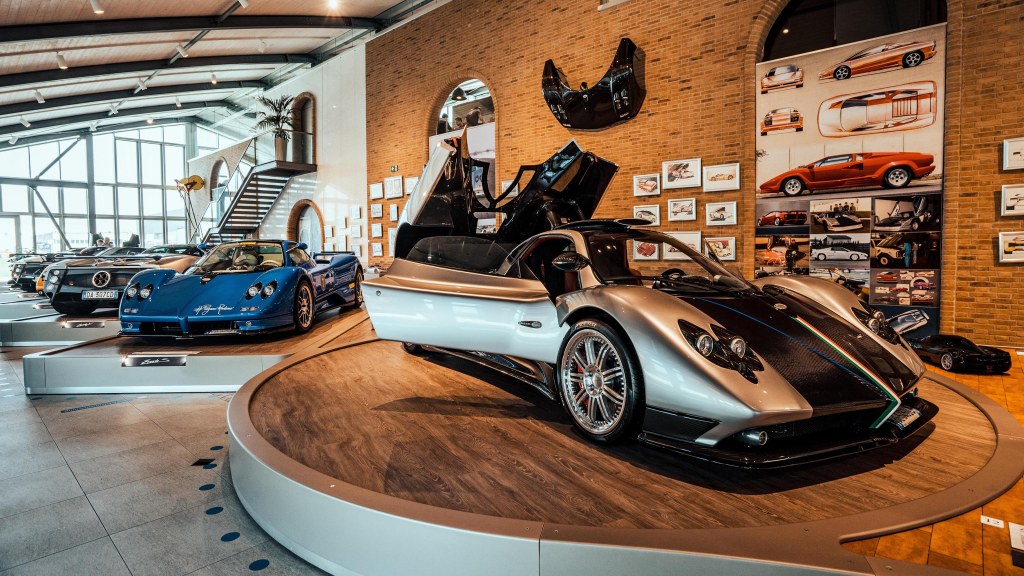
Once upon a time, you could identify a car brand at fifty paces. A Lamborghini looked like it had been designed by a man with a ruler and an anger problem. A Jaguar looked like it had been sculpted by someone wearing a velvet smoking jacket. And a Mercedes had the sort of understated confidence that suggested it knew something you didn’t.
Now? Everything is a crossover. Everything has a floating roof. Everything has LED headlights that look as though they were borrowed from the same parts bin.
Brand DNA has been replaced with brand “alignment.”
That’s the problem.
The illustrative concept images circulating show a line of modern SUVs, all nearly identical in stance, proportion, and lighting signature. Different brands, same car. It’s not parody. It’s market research made visible.
You can almost hear the design meeting.
“Let’s make it look bold.”
“What does ‘bold’ test well with?”
“Something like the other one, but 3% more aggressive.”
And that’s how you end up with a fleet of cars that are technically fine, commercially sensible, and emotionally about as exciting as a microwave.
Design Implications
Design used to be about character.
Today, it’s about compliance.
Look at the proportions in the concept images: high waistlines, chunky arches, sloping rooflines. Every car is trying to look like it goes on adventures, even though most of them will spend their lives parked outside a Tesco.
The reason is obvious. SUVs sell. So everything becomes an SUV. Even brands that built their reputation on elegant saloons and grand tourers have quietly swapped their tailoring for hiking boots.
The problem is not that SUVs exist. The problem is that nothing else does.
You want a sleek, low, rear-wheel-drive sports saloon? Tough. Here’s a tall hatchback with a pretend diffuser and a touchscreen the size of a chopping board.
Risk in design has been replaced by “familiarity.”
Familiarity keeps the accountants happy.
It does absolutely nothing for the soul.
Interior Philosophy
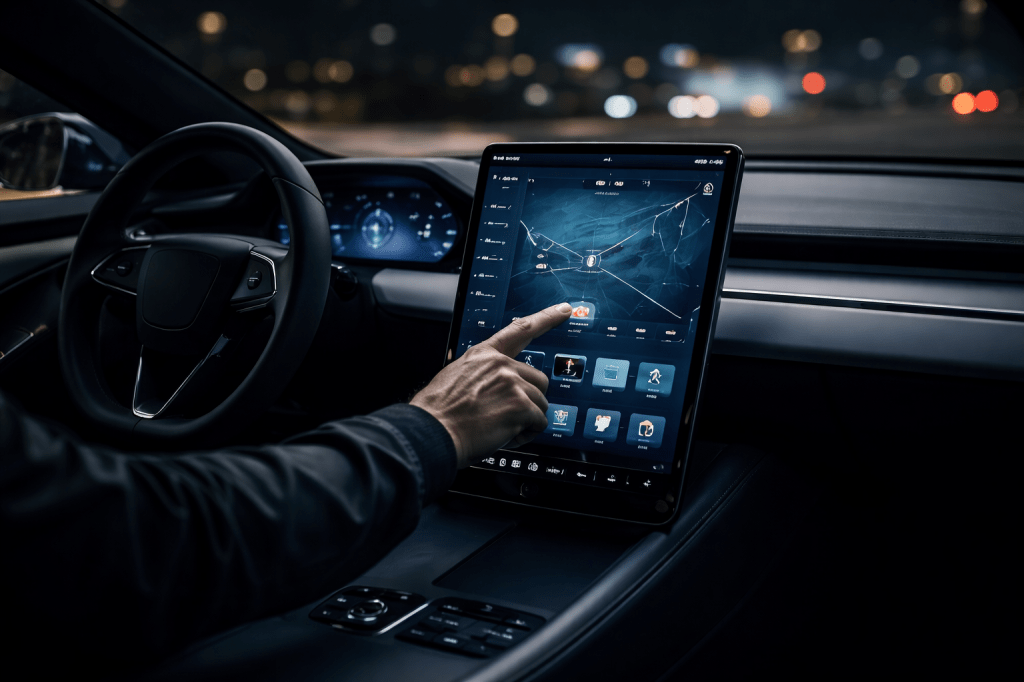
Step inside most new cars and you’re greeted by the same experience: two large digital screens, minimal buttons, and an ambient lighting strip that looks like it was installed by someone who once worked at a nightclub.
Again, safe. Sensible. Approved by focus groups.
But here’s the awkward truth: interiors used to be different because brands had different ideas about how driving should feel.
A BMW cockpit was driver-focused and serious. A Volvo was airy and Scandinavian. A Bentley felt like a gentleman’s club on wheels.
Now they all feel like variations of the same tech lounge. You can swap the badge on the steering wheel and almost nobody would notice.
The illustrative concept interiors you see online follow this exact formula: large screens, clean layouts, identical materials. It’s not laziness. It’s data-driven design.
Which sounds impressive, until you realise the end result is that every car feels like it was designed by the same person.
And that person is clearly terrified of making a mistake.
Market Positioning
This is where the risk really died.
Car brands used to build cars because they believed in them. The Porsche 911 exists because someone in Stuttgart thought it was a good idea, not because a survey of 2,000 potential customers demanded it.
Now, every new model is a response to a chart.
“Compact SUV segment growing by 12%.”
“Let’s make one.”
“Should it be exciting?”
“No, it should be safe. Exciting is a niche.”
And so, the industry converges.
The speculative concept we’re analysing here is not a single car. It is an entire segment: the modern crossover SUV that every brand now produces in some form, because it is commercially irresistible.
From a business standpoint, it’s brilliant.
From a brand standpoint, it’s a quiet surrender.
If everyone is building the same car for the same customer at the same price point, then what exactly is the point of brand identity anymore?
The Death of the “Brilliantly Bad Idea”
Here’s something the modern industry has lost: the willingness to build a car that is slightly mad.
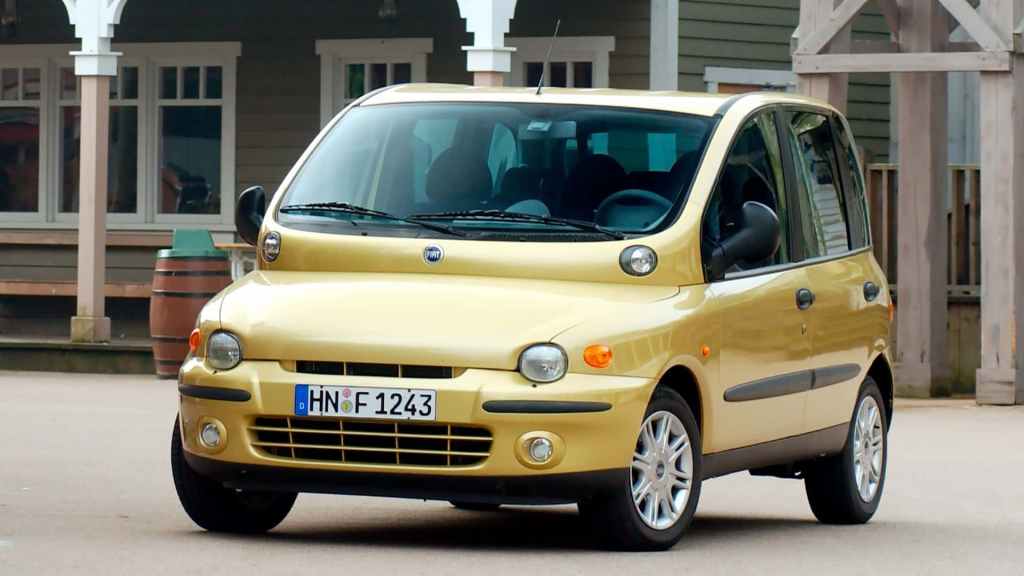
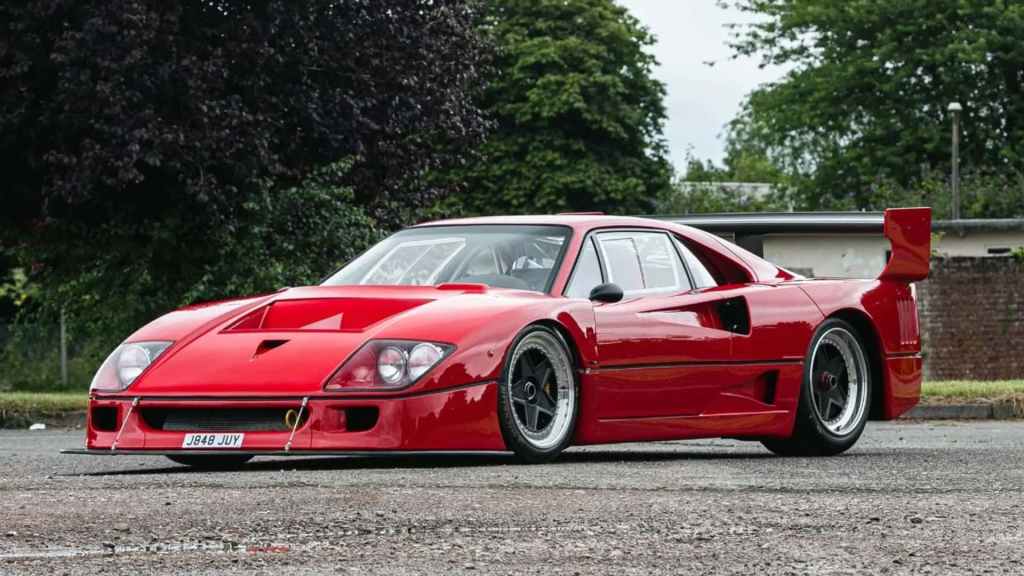
The original Mini. The Citroën DS. The Lamborghini Countach. These were not born from market research. They were born from people saying, “Let’s try this and see what happens.”
Sometimes it worked. Sometimes it didn’t.
But it was always interesting.
Today, anything that doesn’t make financial sense is quietly removed from the product plan before it reaches the sketchbook.
You can’t have a low-volume halo car unless it also boosts brand perception and meets projected ROI within three fiscal years.
In other words, if it can’t be justified on a spreadsheet, it isn’t happening.
The concept images we see — the rows of identical, market-optimised vehicles — are simply the logical conclusion of that thinking.
Safe cars for safe customers.
And very safe design departments.
Potential Specifications
To make this modern, risk-free crossover concept viable in the real world, it would require the following:
- Powertrain:
1.5- to 2.0-litre turbocharged petrol engines or compact EV setups, because these are the most cost-effective and emissions-compliant options currently used across mainstream brands. - Power Output:
150–300 horsepower, offering “adequate performance” without threatening higher-end models in the lineup. - Drivetrain:
Primarily front-wheel drive, with optional all-wheel drive to maintain the illusion of ruggedness. - Platform:
Modular group platforms such as Volkswagen’s MQB or Hyundai-Kia’s N-platform, because sharing reduces risk and maximises profit. - Performance Estimates:
0–60 mph in 7–9 seconds — quick enough for marketing brochures, slow enough to avoid upsetting anyone. - Estimated Price Range:
£25,000–£45,000, placing it squarely in the most commercially important section of the global car market.
These specifications aren’t predictions. They are simply what would be necessary for this type of vehicle to exist in today’s climate of regulation, cost-sharing, and cautious optimism.
Reality Check
Could this be built?
Yes. In fact, it already is. Most modern SUVs and crossovers fit this description exactly.
Would it make financial sense?
Absolutely. This is the most profitable and least risky segment in the global automotive market.
Is there a realistic customer for it?
Yes. Families, commuters, and anyone who wants a safe, practical vehicle without any real emotional attachment.
Final Verdict
Car brands used to take risks. Now they just take market research too seriously, and the result is an industry that has become impressively efficient and spectacularly unadventurous.
The cars are better than ever. They are safer, faster, cleaner, and more reliable.
They are also, in many cases, completely interchangeable.
And when the most interesting thing about a new car is the colour of its badge, you know something important has been lost.
Because in trying so hard not to get it wrong, the industry has forgotten how to get it right.
 UNBUILT GARAGE
Leave a comment