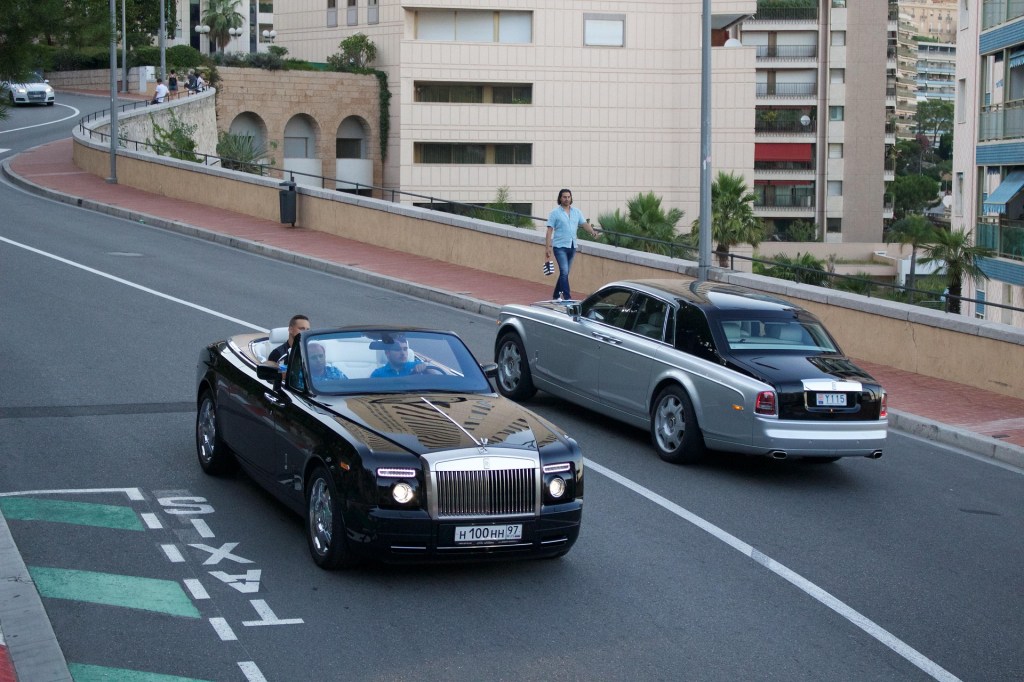
Why the fantasy keeps circulating online, and why it will always remain exactly that.
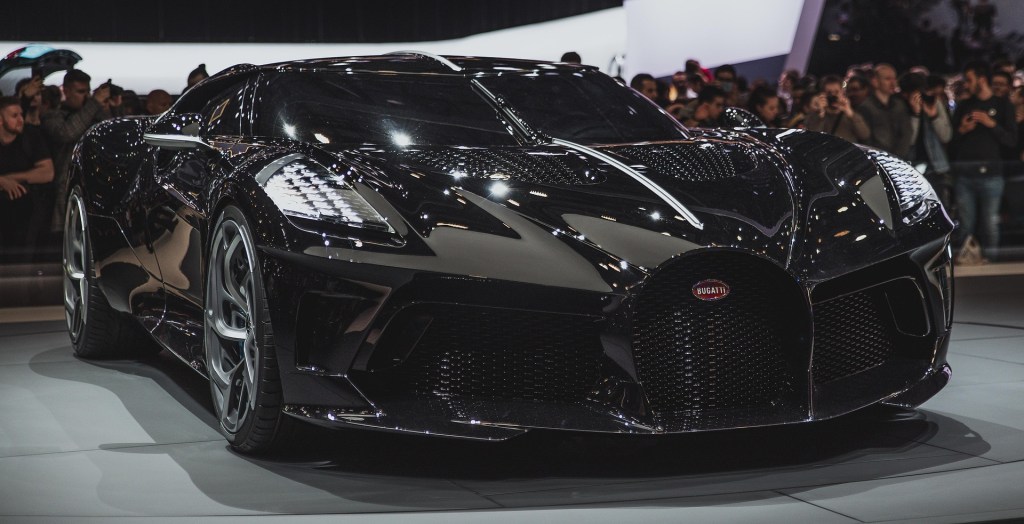
Introduction
Let’s get this out of the way immediately: no, Ferrari is not about to launch a £35,000 hatchback, Lamborghini is not secretly developing a “Baby Urus,” and McLaren is not on the verge of selling a family crossover at Halfords prices.
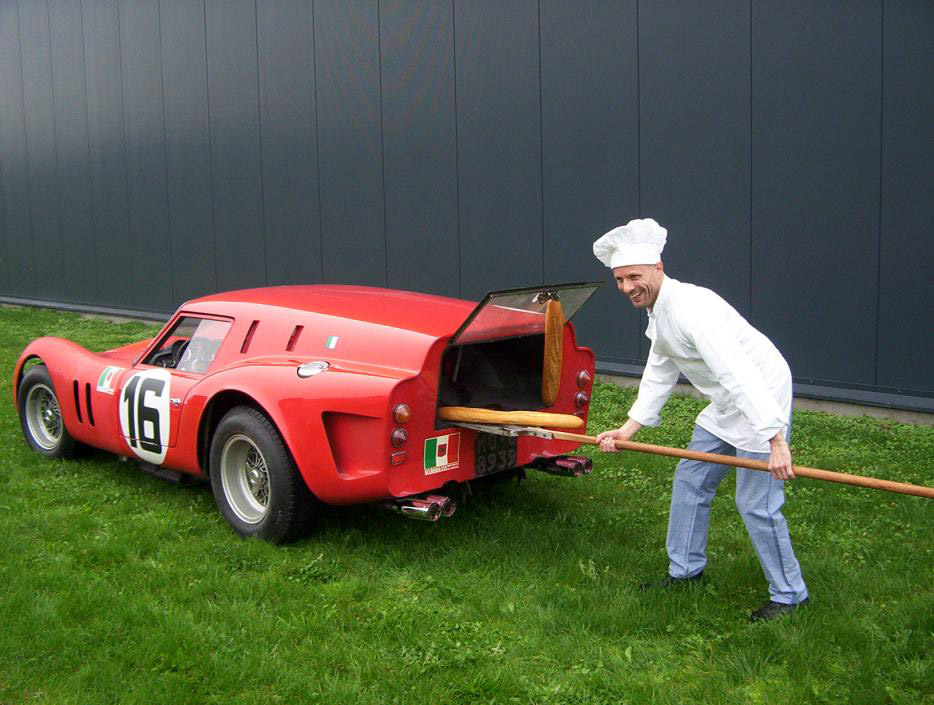
You’re seeing these ideas because the internet has a wonderful habit of taking a brand’s badge, slapping it onto something ordinary, and declaring it “the future.”
The central absurdity is this: people want the prestige, drama, and emotional theatre of a supercar brand — but at the price of something you’d normally lease for your teenage nephew.
And that clash, between exclusivity and affordability, is precisely why this will never happen.
Brand DNA vs the Affordable Car Fantasy
This is the heart of it, and it’s not complicated.
Supercar brands do not sell transportation. They sell status.
Ferrari doesn’t exist to get you from A to B. It exists so that when you arrive at B, everyone knows you arrived in a Ferrari.
Now imagine that same badge on something priced like a Volkswagen Polo.
You haven’t expanded the brand. You’ve diluted it.
Prestige brands survive on a simple equation:
Scarcity × Price = Desire
Remove either part of that, and the whole thing collapses.
If a Ferrari suddenly becomes as common as a Ford Fiesta, it is no longer a Ferrari in the way that matters.
It’s just a car with a very expensive sticker.
And no serious luxury brand destroys itself like that.
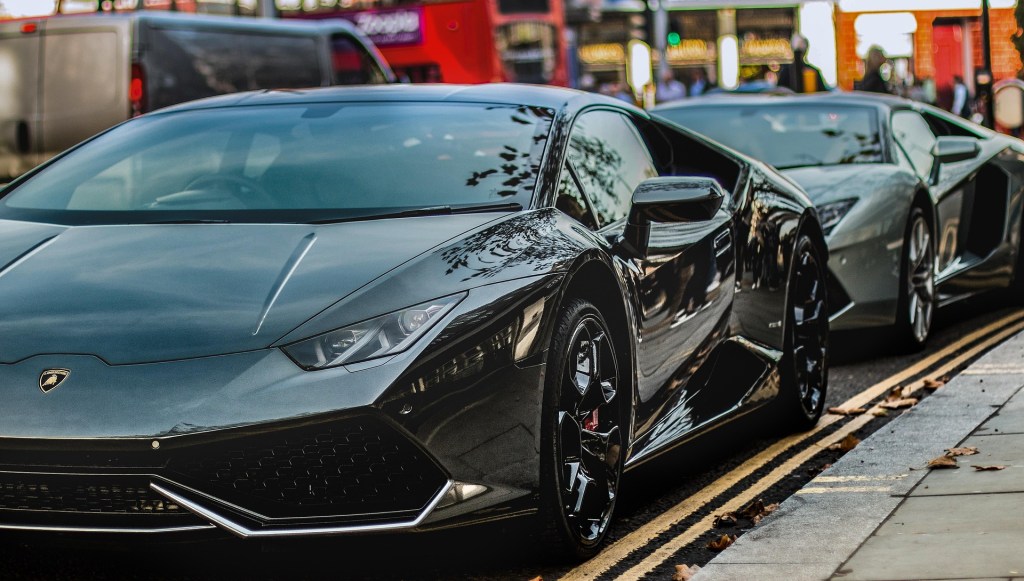
The Economics: Why Cheap and Exotic Don’t Mix
Let’s speak plainly.
To build an “affordable Ferrari,” you would need:
- A completely new production process
- A completely different supply chain
- A radically lower materials cost
- And a customer base that doesn’t currently exist for that brand
Ferrari makes roughly 13,000 cars a year.
Toyota makes that many before lunch.
That low volume is not an accident. It’s the business model.
Supercar companies are structured around:
- Small-batch production
- High margins
- Bespoke options
- And customers who are willing to pay for all of it
Switch to mass production, and suddenly:
- Your tooling costs skyrocket
- Your warranty risk increases
- Your dealers need to become high-volume retail operations
- And your margins collapse
At that point, you are no longer a supercar brand.
You are simply a struggling mainstream manufacturer wearing a tuxedo you can’t afford.
Design Implications: You Can’t Fake Presence
This is where the fantasy usually falls apart visually.
People imagine “a small Ferrari,” but what they’re picturing is just:
A normal car, wearing a Ferrari face.
But that’s not how design works.
Ferraris look the way they do because:
- They are wide
- They are low
- They are dramatic
- And they are built around performance-first proportions
You shrink the package to affordable-car size, and all of that disappears.
You’re left with:
- Tall rooflines
- Narrow tracks
- Compromised aerodynamics
- And a shape that simply cannot carry the brand’s visual weight
A Ferrari needs to look expensive before you even notice the badge.
If it doesn’t, then what exactly is the point?
Interior Philosophy: Theatre vs Practicality
Step inside a Ferrari and it feels like:
- A cockpit
- A stage
- And a very expensive piece of performance art
Everything is built around the driver.
Everything feels engineered, not manufactured.
Now contrast that with what an affordable car actually requires:
- Simpler materials
- Shared components
- Scalable electronics
- And a design that prioritises practicality over emotion
You can’t put carbon fibre, machined aluminium, and hand-stitched leather in a car meant to compete with a Skoda.
Well, you can.
But you’ll be bankrupt by Tuesday.
So either the interior becomes ordinary — in which case it isn’t worthy of the badge — or the price rises until it is no longer affordable.
That’s the trap.
And there is no elegant way out of it.
Market Positioning: The Problem of the Entry-Level Customer
Luxury brands don’t just sell cars.
They curate customers.
Ferrari’s current buyer is:
- Wealthy
- Loyal
- Status-conscious
- And happy to pay for something rare
An “affordable Ferrari” attracts:
- Aspirational buyers
- First-time customers
- And people who want the badge more than the product
That sounds positive.
It isn’t.
Because when a luxury brand starts chasing volume, it begins to lose control of:
- Its image
- Its pricing power
- And its sense of exclusivity
And once that happens, the existing customers — the ones who actually keep the company alive — quietly walk away.
Luxury brands do not want more customers.
They want better customers.
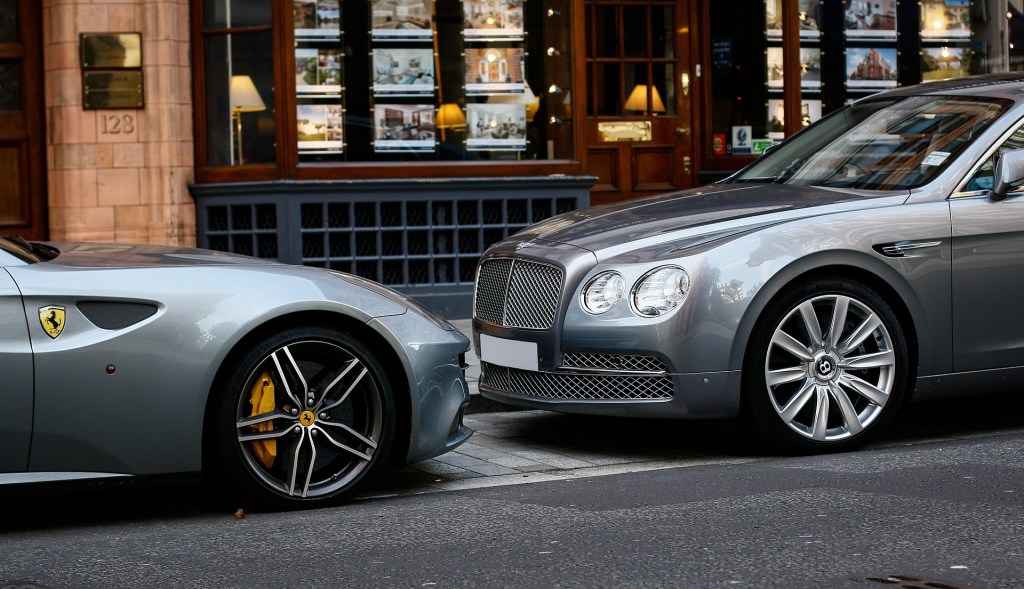
Brand Risk: Prestige Is Fragile
Here is the uncomfortable truth.
It takes decades to build a luxury brand.
It takes one bad product line to destroy it.
Look at brands that tried to “go downmarket”:
- They sold more cars
- They made less profit
- And they permanently damaged their prestige
Once your brand becomes accessible, it is never fully exclusive again.
And that is not a risk Ferrari, Lamborghini, or McLaren is remotely interested in taking.
They would rather sell fewer cars at higher margins than flood the market and become irrelevant.
That’s not arrogance.
That’s survival.
Why the Internet Keeps Pretending Otherwise
Because the internet is full of:
- Badge fantasies
- Concept mashups
- And the seductive idea that every brand can be “democratised”
It can’t.
If Ferrari becomes affordable, it becomes normal.
And if it becomes normal, it loses the only thing that makes it Ferrari.
That’s the real reason these images keep appearing online.
They represent what people want, not what makes any sense.
Potential Specifications
To make an “affordable supercar brand car” even remotely viable, this is what would be required:
- Powertrain: Shared turbocharged 4-cylinder or hybrid system from the parent group (e.g., Stellantis or VW Group-level tech) to reduce R&D costs
- Power Output: 200–300 hp minimum — anything less would undermine brand expectations
- Drivetrain: Front-engine, rear-wheel drive for driving character consistency
- Platform: Modular mainstream platform already used by high-volume brands
- Performance Estimates: 0–60 mph in under 6 seconds to maintain credibility
- Estimated Price Range: £30,000–£45,000 — low enough to be “affordable,” high enough to avoid embarrassment
Anything beyond that becomes too expensive to scale or too compromised to matter.
Reality Check
Could this be built?
Yes. Any brand could technically engineer a cheaper car using shared platforms and components.
Would it make financial sense?
No. The margins would be far lower than their existing vehicles, damaging profitability and brand perception.
Is there a realistic customer for it?
Not at the scale required. Buyers wanting a cheap supercar brand product already have premium mainstream alternatives that offer better value.
Final Verdict
Supercar brands will never make truly affordable cars because their entire existence depends on exclusivity, not accessibility.
The moment the badge becomes cheap, it becomes meaningless.
If Ferrari ever sells a hatchback, it will not be because they’ve evolved.
It will be because they’ve given up.
And that is not how legends behave.

 UNBUILT GARAGE
Leave a comment