Italy built plenty of famous supercars. These are the ones that slipped through the cracks — which, in several cases, says more about the car world than the cars themselves.
There is a particular kind of automotive amnesia reserved for Italian machinery.
The obvious names never disappear. Ferrari’s greatest hits are repeated so often they’ve become background noise. Lamborghini’s poster cars are treated like religious texts. Even people who don’t care about cars know what an F40 is, what a Countach is, and roughly what sort of haircut you should have while pretending to understand either.
But Italy’s real genius has never been confined to the household names.
It has always lived slightly off to the side — in the strange, overconfident, gloriously impractical corners of the industry where a brand, a coachbuilder, or a mildly unstable executive decided the world needed something rarer, weirder, and more dramatic than common sense could justify. Some of these cars were too expensive. Some were too niche. Some arrived at exactly the wrong moment. A few were never really allowed to become what they should have been.
And that is what makes them interesting now.
This is not a list of the “best” Italian supercars, because that would be intolerably predictable. It is a list of the lost ones: the overlooked, the overshadowed, the cult objects, the strange side roads in Italy’s performance-car history that somehow ended up quieter than they deserved. Some were production cars. One was a prototype. All of them belong here, because each one captures a version of the Italian supercar story that most people forgot to finish.
How This Ranking Was Judged
Not by horsepower, lap times, or auction fever.
This ranking is based on a much more useful set of criteria: how overlooked the car has become, how much personality it still carries, how well it represents a lost or neglected branch of Italian supercar thinking, and how clearly it still feels like something the modern industry no longer has the nerve to build.
In other words, if it still makes today’s performance cars look a bit overmanaged, it qualifies.
5. Lancia Hyena
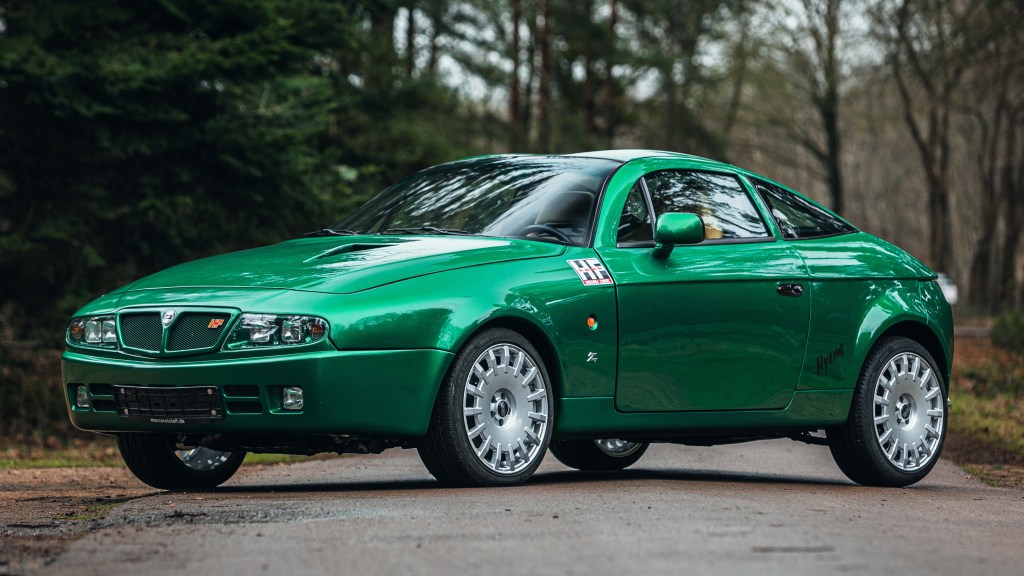
The Lancia Hyena is the sort of car that only Italy could produce with a straight face.
It was based on the Delta Integrale, reworked by Zagato, and turned into something much stranger than a simple rebodied hot hatch. What emerged in the early 1990s was a low-volume, lightweight, sharply tailored coupe that took one of the most beloved rally-bred road cars of its era and gave it the sort of exclusivity that normally requires either aristocratic blood or a deeply irrational bank manager.
That is precisely why it belongs here.
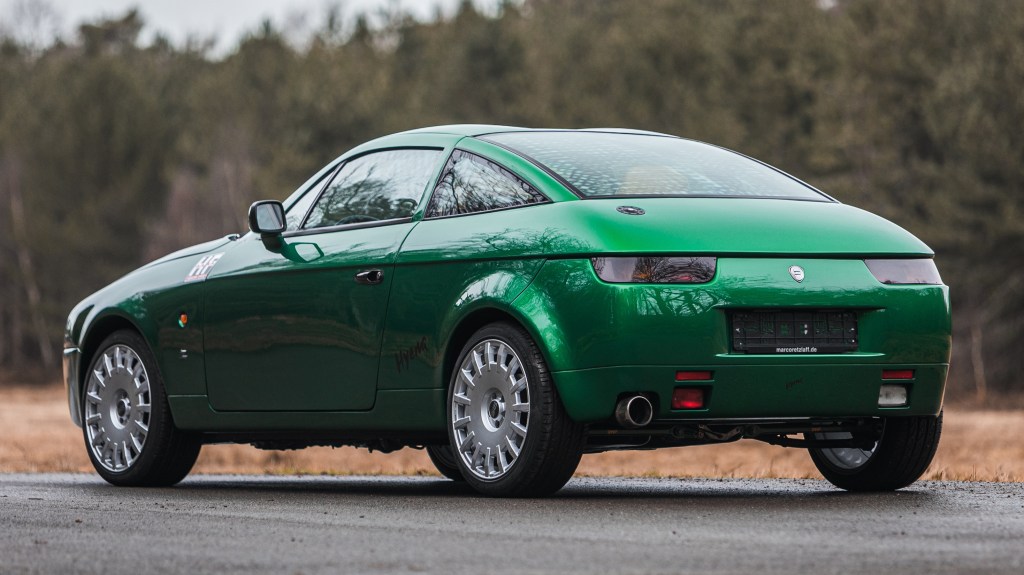
The Hyena is not a conventional supercar in the mid-engined, V12, doors-open-like-scissors sense. But it absolutely belongs in the broader Italian supercar conversation because it represents a type of performance machine Italy used to do brilliantly: small-run, coachbuilt, slightly eccentric, deeply charismatic cars built for people who wanted something rarer than the obvious choice.
And that is a category the modern industry has all but exterminated.
It ranks fifth because it is more of a cult object than a mainstream supercar icon, but that is part of the point. The Hyena feels like the sort of car enthusiasts claim to want all the time — light, unusual, hand-finished, defiantly anti-corporate — until they are actually asked to buy one. Then, as ever, they go and finance something German.
4. Iso Grifo 90
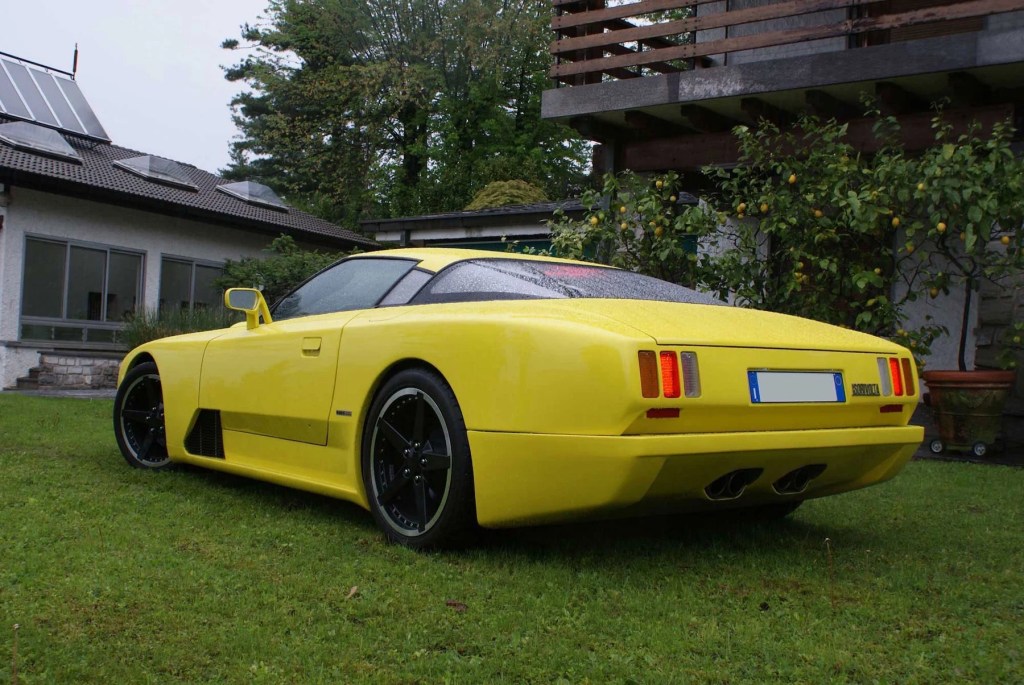
Strictly speaking, the Iso Grifo 90 was a prototype rather than a conventional production supercar.
Which is exactly why it belongs on this list.
Unveiled in 1990 as an attempt to revive the Iso Grifo name, the Grifo 90 was a Bertone-designed concept built around serious performance intent and a shape that looked expensive, sleek, and wonderfully self-assured without trying too hard to be outrageous. It did not need to shout. It had the confidence of a car that assumed you would notice it anyway.
A very Italian trait.
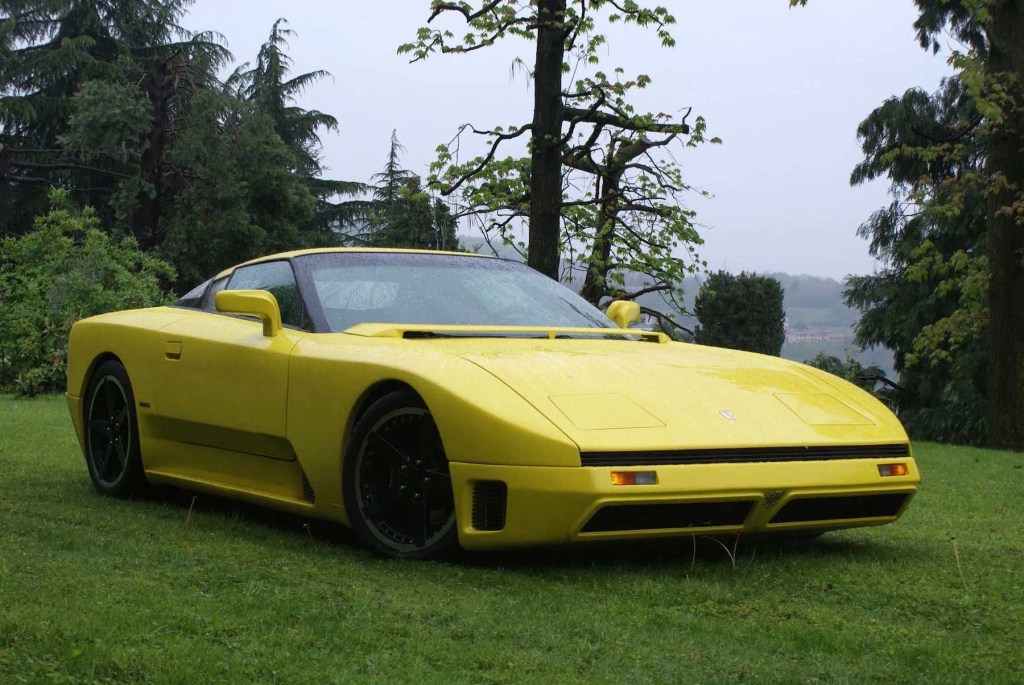
What makes the Grifo 90 so fascinating is not simply that it never became a major production success story. It is that it represents one of those moments when Italy briefly seemed ready to resurrect one of its great grand-touring bloodlines and then, almost immediately, lost interest. It is less a failed supercar than a glimpse of a future that appeared, looked rather good under the lights, and then quietly evaporated before anyone could do anything useful with it.
That matters.
Because the Italian supercar story is not just about the cars that made it into history books. It is also about the ones that revealed how much ambition was still there — and how little structural patience existed to support it. The Grifo 90 is a reminder that Italy has always been brilliant at creating desire and occasionally less committed to the boring business of sustaining it.
In that sense, it may be one of the most Italian cars ever shown.
3. Alfa Romeo RZ
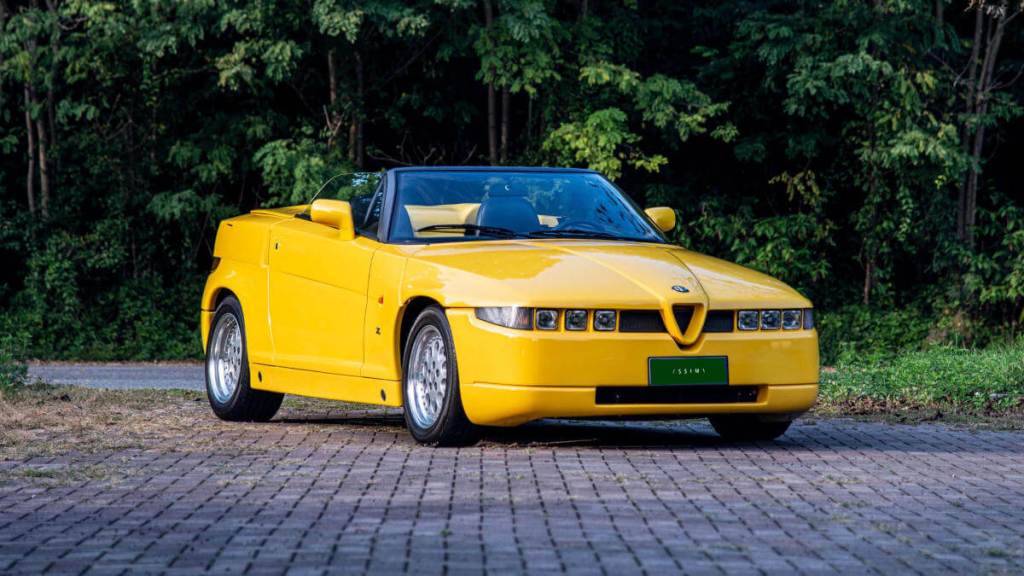
The Alfa Romeo RZ looks like it was designed by someone who had grown tired of polite sports cars.
A commendable position.
Built in the early 1990s as the roadster counterpart to the SZ, the RZ took Alfa’s wonderfully odd late-80s and early-90s design language and pushed it into something even more divisive. It is blocky, abrupt, dramatic, slightly awkward in profile, and utterly uninterested in flattering anyone who prefers their performance cars to be conventionally handsome.
Which is why it is so good.
The RZ is not a “supercar” in the traditional poster-on-bedroom-wall sense, and that is precisely what makes it valuable here. Italy’s performance-car heritage is often reduced to a handful of expensive mid-engined clichés, when in reality some of its most memorable machines were the strange ones — the ones that took a familiar formula and twisted it until it became something cultish, rare, and impossible to mistake for anything else.
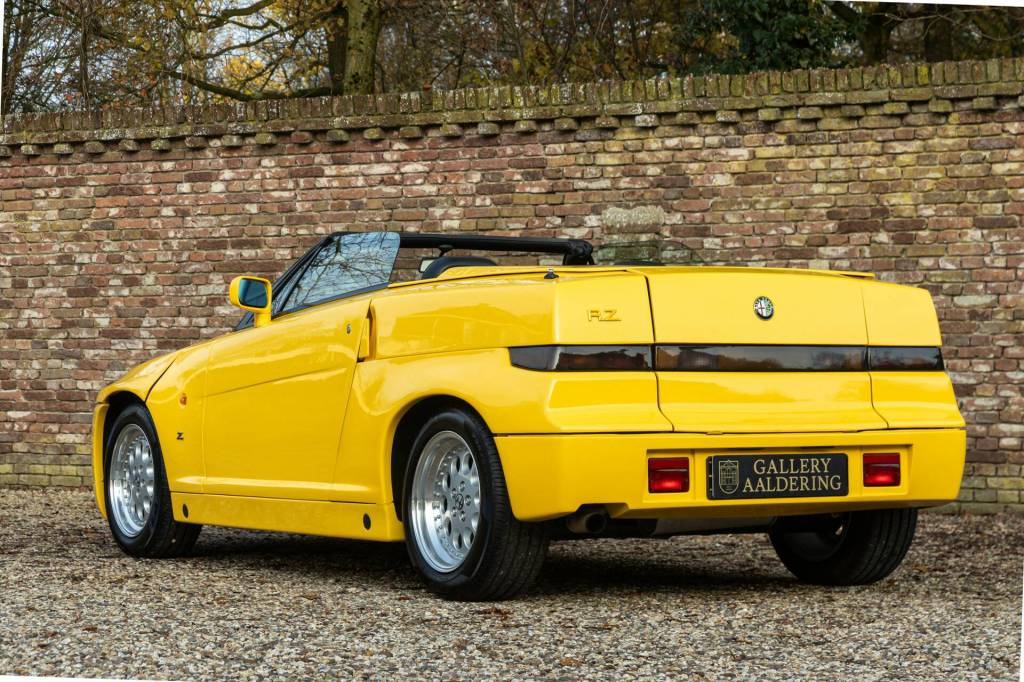
The RZ does that effortlessly.
It also carries the sort of visual conviction modern performance cars often lack. Today, too many fast cars are designed to offend no one. The RZ was clearly designed with the opposite philosophy. It does not ask to be liked. It assumes that if you understand it, that is enough.
That is very Alfa Romeo.
And rather rare now.
It ranks third because it is too strange, too distinctive, and too gloriously unapologetic to sit any lower. Plenty of cars are rare. Very few remain this instantly recognisable while being this casually forgotten outside enthusiast circles.
2. Maserati Shamal
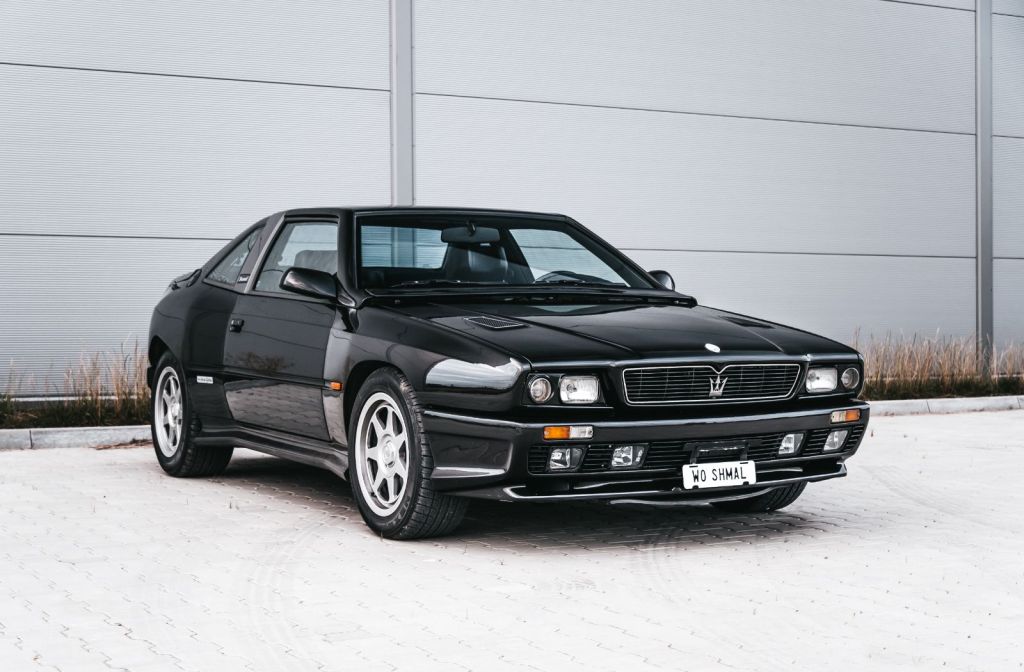
The Maserati Shamal is what happens when old-money menace takes automotive form.
And frankly, we should have more of it.
Launched in 1989 and developed from the Biturbo lineage, the Shamal was not trying to be the prettiest car in Italy. It was trying to be the one that looked as though it might own a villa, smoke indoors, and ruin your life in a beautifully tailored overcoat. It had a shortened wheelbase, a brutal stance, Marcello Gandini’s trademark sharp-edged tension, and a twin-turbo V8 that gave it the sort of credentials enthusiasts claim to respect but rarely mention when discussing the era’s great Italian performance cars.
That omission is absurd.
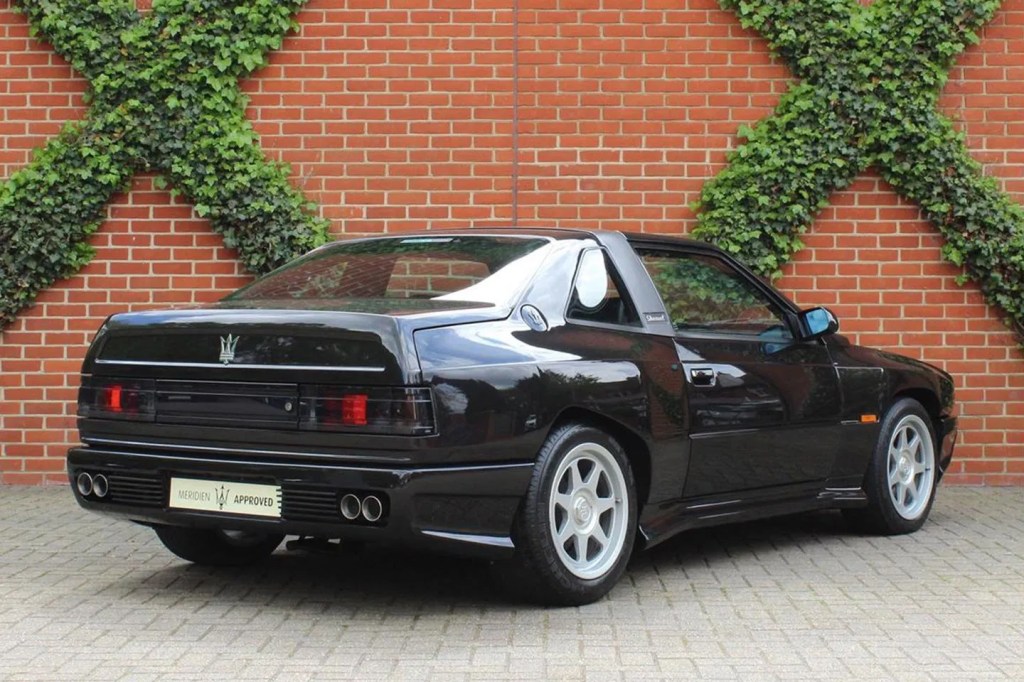
Because the Shamal is one of the most characterful Italian high-performance cars of its time. It is flawed, dramatic, moody, occasionally temperamental, and all the better for it. Where many modern fast cars feel obsessively filtered through risk management, the Shamal feels like it was approved during a long lunch and a mild argument. It has the sort of personality that would never survive a modern product-planning committee.
Which is probably why it remains so compelling.
It ranks second because it occupies a rare space in Italian performance history: not a pure exotic in the obvious Ferrari-Lamborghini sense, but something arguably more interesting. A front-engined, aggressively styled, slightly unstable grand tourer from a period when Maserati still felt capable of building cars that seemed to exist in spite of sensible advice.
That sort of thing is not just rare now.
It is practically extinct.
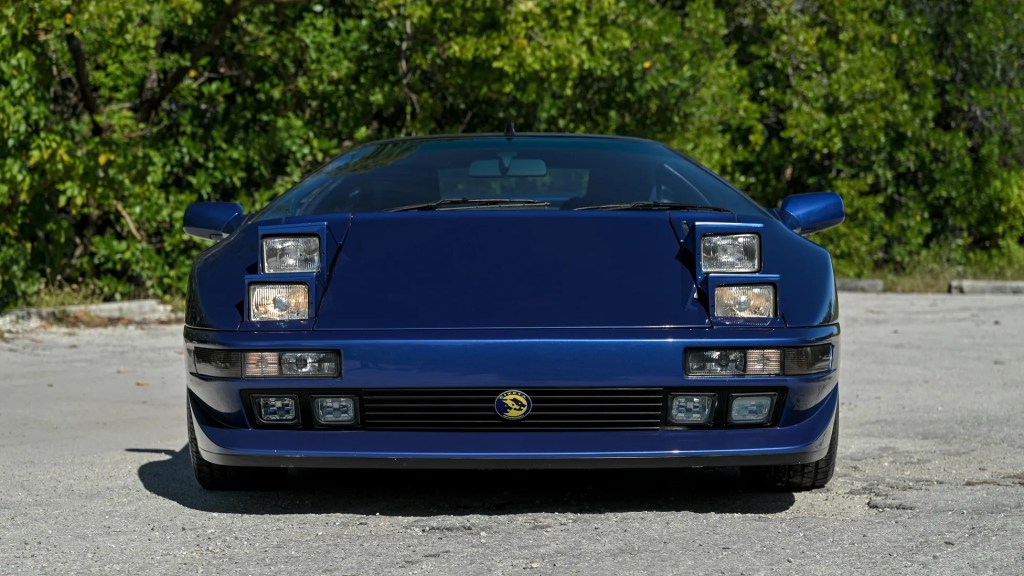
1. Cizeta V16T
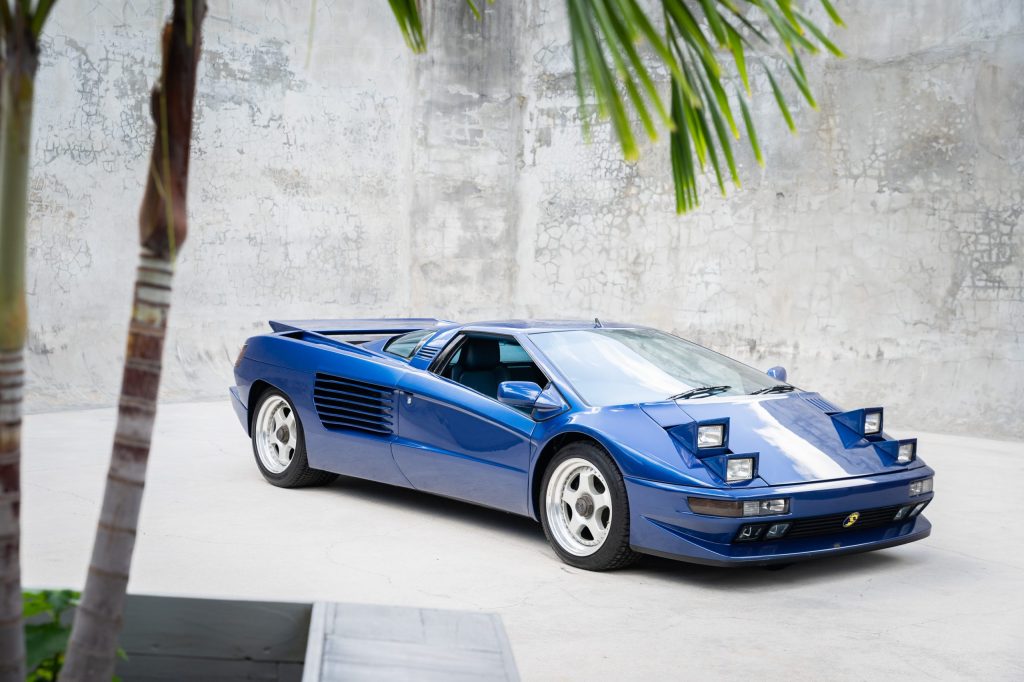
And then there is the Cizeta V16T.
The inevitable winner.
Because if this list is about lost Italian supercars nobody talks about anymore, the Cizeta is not merely a strong inclusion — it is the entire thesis in car form.
Unveiled at the end of the 1980s, the V16T was the sort of machine that sounds fictional even when it is sitting directly in front of you. It was founded by Claudio Zampolli, styled by Marcello Gandini, and powered by a transverse 6.0-litre V16 that sounded like a dare turned into an engineering brief. Visually, it looked like the Countach’s darker, stranger cousin — less famous, less commercially successful, but in some ways even more fascinating because it seemed to exist outside the usual rules of automotive history.
That alone would make it special.
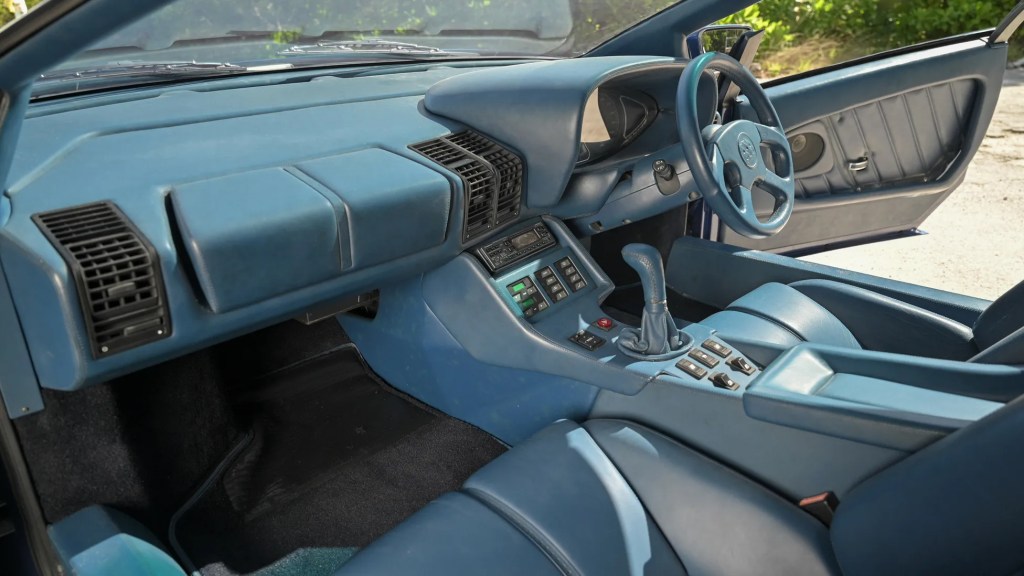
But what makes the Cizeta genuinely great is that it was not just a styling fantasy or a motor-show hallucination. It was real. Built. Functional. A proper, deeply excessive, magnificently irrational supercar created at a moment when Italy still seemed capable of producing machines that were equal parts engineering, ego, and operatic stubbornness.
And that is the part modern supercars often miss.
Today’s fast cars are astonishingly capable, brutally effective, and often so carefully optimised they can feel as though they were built by a team of software auditors. The Cizeta V16T came from a different world entirely. A world where someone could decide that twelve cylinders were apparently insufficient, that subtlety was for lesser nations, and that a new supercar company should enter the market not with a sensible V8, but with a sixteen-cylinder mechanical statement that bordered on the unhinged.
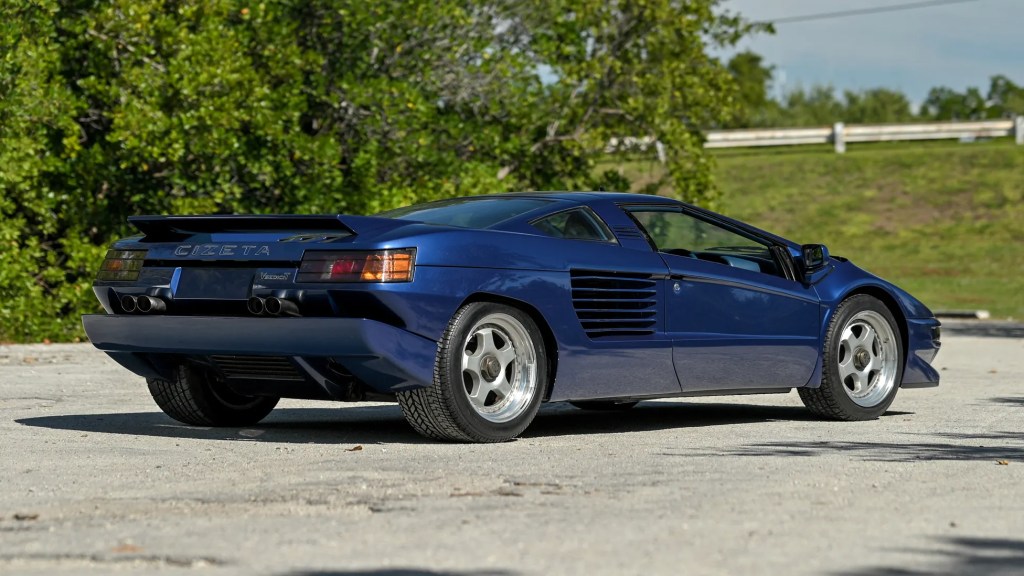
It is impossible not to admire that.
The V16T ranks first because it captures everything this list is really about. It is rare without being irrelevant. Exotic without being sterile. Technically fascinating without becoming cold. It has myth, madness, presence, and a sense of theatrical ambition that feels almost impossible now.
It is not just a lost Italian supercar.
It is a reminder of what happened when the industry still tolerated grand, absurd confidence.
What This List Really Says About Italian Supercars
The easy conclusion is that these cars were overlooked because they were niche.
That is true, in the same way saying the Mediterranean is “slightly damp” is technically accurate.
The more useful conclusion is this: Italy’s greatest performance-car tradition has never been about polished perfection. It has been about conviction. Not the kind that survives market research. The kind that survives because someone, somewhere, decided a car should exist even if the business case was flimsy, the audience was tiny, and the accountants had already started sweating through their shirts.
That is what links all five of these cars.
The Hyena represents the coachbuilt, enthusiast-led side of Italian excess.
The Grifo 90 captures a grand-touring revival that never fully happened.
The RZ proves that divisive design can age into cult greatness.
The Shamal reminds us that menace used to be a legitimate design language.
And the Cizeta? The Cizeta is what happens when nobody in the room is brave enough to say, “This is probably too much.”
And thank heavens for that.
Because the cars people remember most easily are not always the ones that say the most. Sometimes the real story sits just outside the spotlight — in the low-volume specials, the strange prototypes, the misfit performance cars, and the beautifully irrational machines that never quite became household names.
Which is often where Italy did its best work.
Final Verdict
The most famous Italian supercars became legends because they were brilliant.
These cars became footnotes because they were awkward, niche, strange, or simply overshadowed by louder names.
That does not make them lesser.
If anything, it makes them more revealing.
Because the forgotten corners of Italy’s supercar history are often where the real personality lives — not in the cars everyone already agrees on, but in the ones that still make you stop, stare, and wonder how on earth they were ever approved in the first place.
 UNBUILT GARAGE
Leave a comment