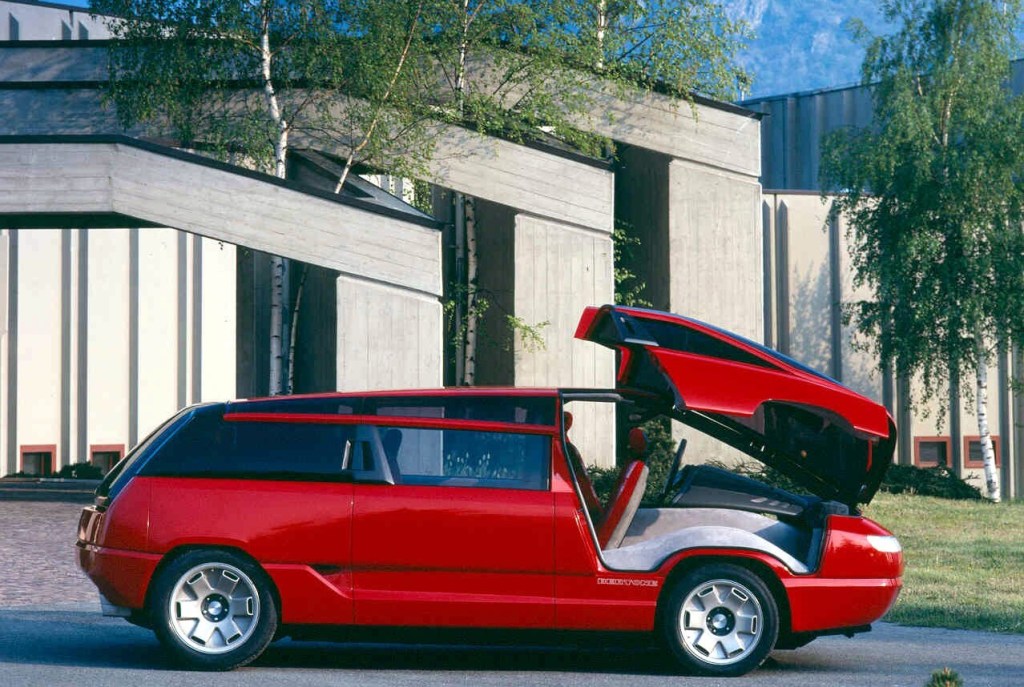
Bertone didn’t just design cars. It designed alternate timelines — and most of them were far more interesting than the one we ended up with.
There are two ways to talk about Bertone.
The lazy way is to mention the obvious icons, nod respectfully at a few famous wedges, and move on as if the story begins and ends with the cars everyone already knows. That is what most people do. It is also what people do when they haven’t looked very hard.
Because Bertone’s real genius was never just in the legends.
It was in the forgotten concepts. The one-offs. The strange, elegant, occasionally absurd machines that appeared under motor-show lights, made the industry look briefly imaginative, and then disappeared because someone eventually remembered there were budgets, committees, and shareholders to keep calm.
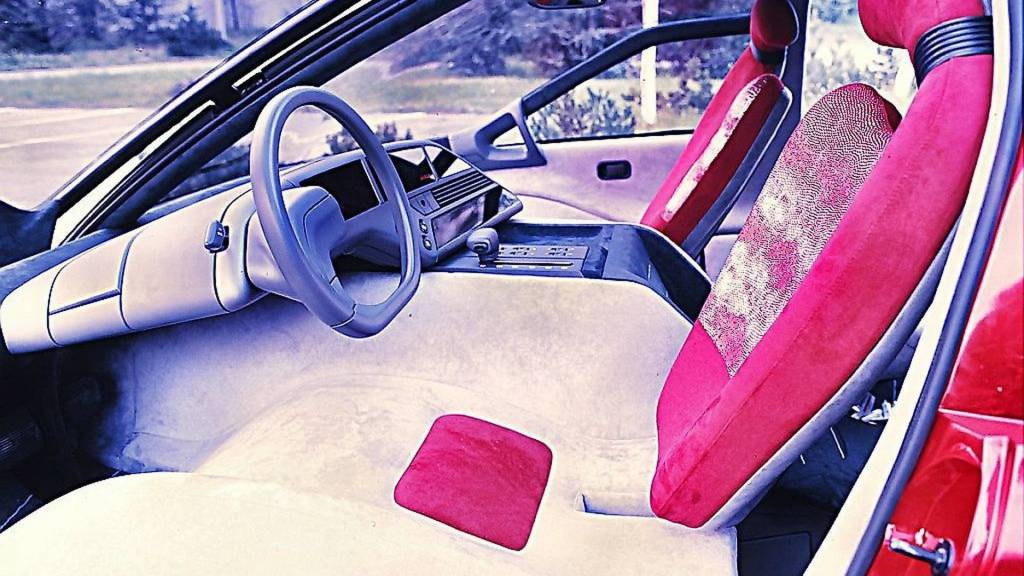
And that is where Bertone becomes genuinely fascinating.
These are not the studio’s “best” concepts. That would be too easy, and frankly too predictable. This is a ranking of the Bertone-designed cars that still feel impossible now — because they were too radical, too beautiful, too strange, too intelligent, or simply too far ahead of the people signing the cheques.
In other words: the Bertones that make modern concept cars look oddly nervous.
How This Ranking Was Judged
Not by speed. Not by rarity. Not by auction values.
This list is about design boldness, visual shock, historical weight, and how clearly each car still reveals a road the industry refused to take. Some are elegant. Some are completely unhinged. A few are so influential that modern performance car design still owes them money.
If they still make modern cars look a bit safe, they belong here.
15. Suzuki Go (1972)
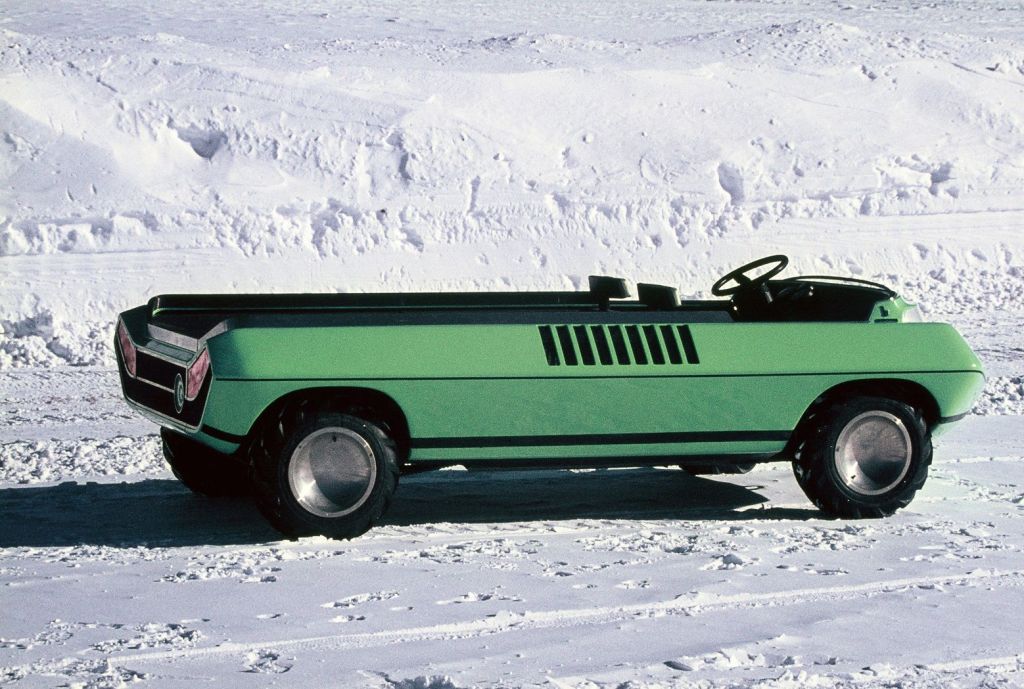
The Suzuki Go is the sort of concept car that feels like it was invented halfway through a beach holiday and then somehow made it all the way to a motor show.
Which, naturally, makes it perfect Bertone material.
Tiny, strange, faintly amphibious and entirely uninterested in behaving like a normal car, the Go was less about prestige and more about possibility. It wasn’t trying to reinvent performance or luxury. It was asking a far more unusual question: what if mobility could be playful without becoming pathetic?
That sounds lightweight. It isn’t.
Because modern carmakers love talking about lifestyle. The Suzuki Go actually understood it.
It ranks lowest because it lacks the visual authority of the cars above it, but as an opening wildcard it does something important: it reminds you that Bertone’s imagination wasn’t confined to glamorous exotics. Sometimes it was just gloriously odd.
And frankly, the industry could use a bit more of that.
14. Bertone Delfino (1983)
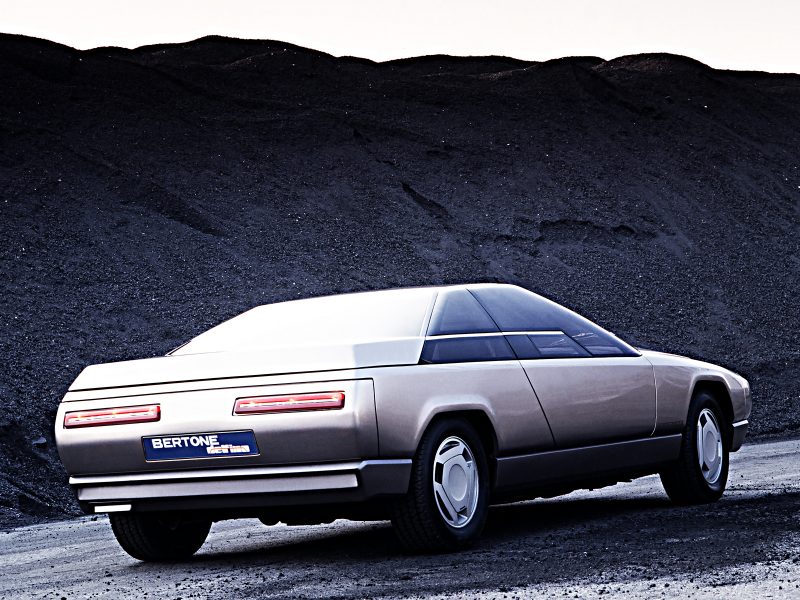
The Bertone Delfino is what happens when you ask for elegance and still allow the designer to misbehave slightly.
It is sleek, low, dramatic, and just strange enough to avoid becoming another forgotten GT-shaped footnote.
What makes the Delfino interesting is that it never relies on outright madness. It feels like a serious grand touring concept — something that could almost have happened — but with just enough Bertone theatre to remind you this was still a design house that knew how to make a silhouette feel expensive. Plenty of concepts are weird. Far fewer are weird in a way that still feels desirable.
That is why it belongs here.
It sits low in the ranking because it lacks the cultural force of the top half, but it is exactly the sort of car that makes production coupes from the same era look a bit apologetic.
13. Volvo Tundra (1979)
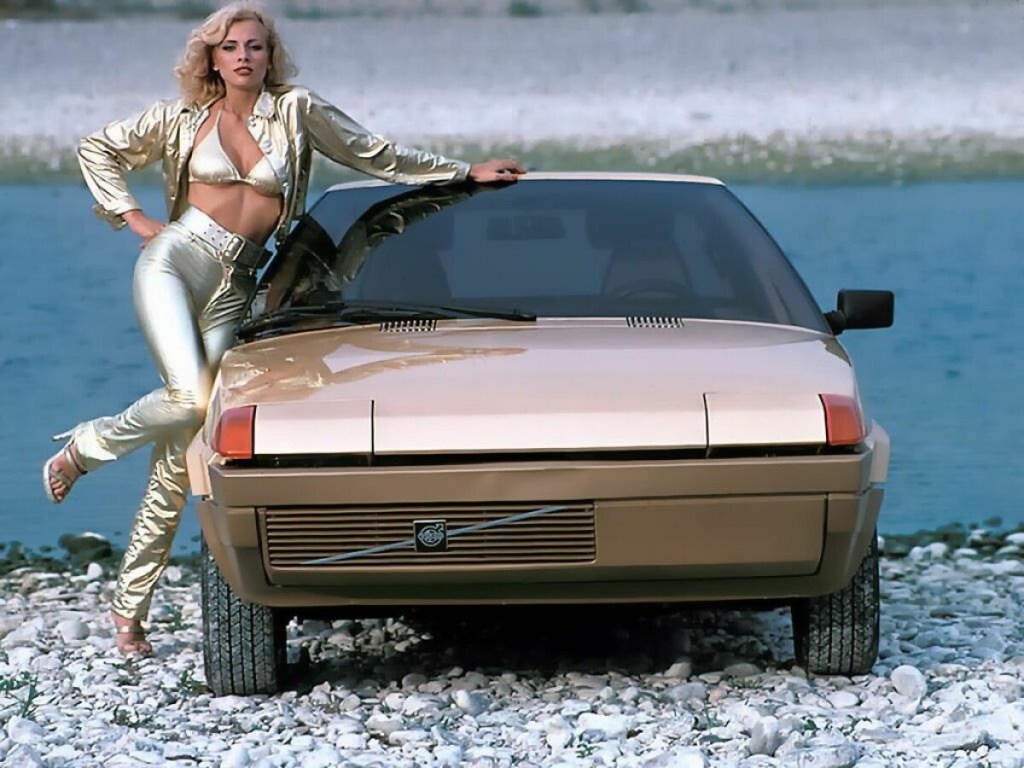
The Volvo Tundra is one of those concepts that proves sensible brands often ignore their most interesting opportunities.
On paper, a Bertone-designed Volvo sounds like an odd combination. In reality, it makes alarming amounts of sense.
The Tundra took Volvo’s seriousness and filtered it through late-1970s Bertone sharpness, producing something crisp, angular, modern and genuinely forward-looking without ever feeling theatrical for the sake of it. It wasn’t a supercar fantasy. It was a smarter, stranger version of normality.
Which is often more revealing.
It ranks here because it’s less visually explosive than the cars above it, but it matters because it shows Bertone doing something many design houses never manage: making restraint feel radical. It also hints at design thinking that later echoed elsewhere — the kind of quiet influence that often matters more than the original concept itself.
12. Opel Filo (2001)
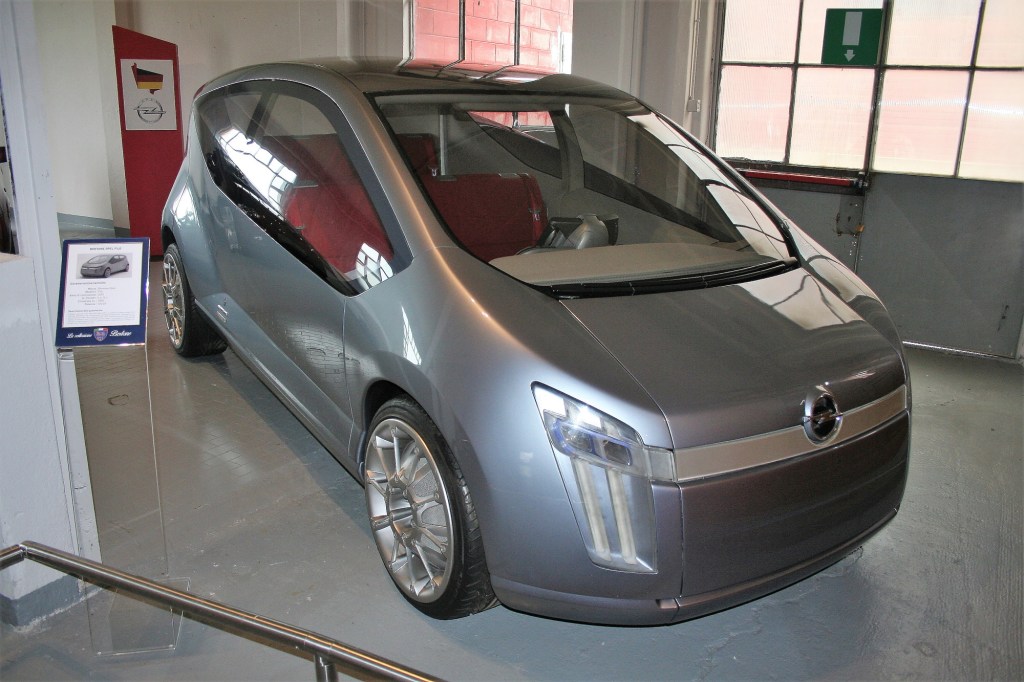
The Opel Filo is proof that a concept car doesn’t need to look outrageous to be radical.
In fact, sometimes the cleverest ones are the ones that seem almost calm.
Presented under the Opel badge but built by Bertone, the Filo explored drive-by-wire thinking years before that sort of thing felt remotely mainstream. Steering, braking and throttle were increasingly abstracted into electronics, and the whole car hinted at a future in which the physical relationship between driver and machine might become negotiable.
That is a much bigger provocation than a dramatic bodykit.
It ranks here because visually it’s more subtle than the upper-tier monsters, but philosophically it’s one of the most important cars on this list. The Filo wasn’t trying to be a poster. It was trying to be a prediction.
And annoyingly, it was right.
11. Jaguar B99 by Bertone (2011)
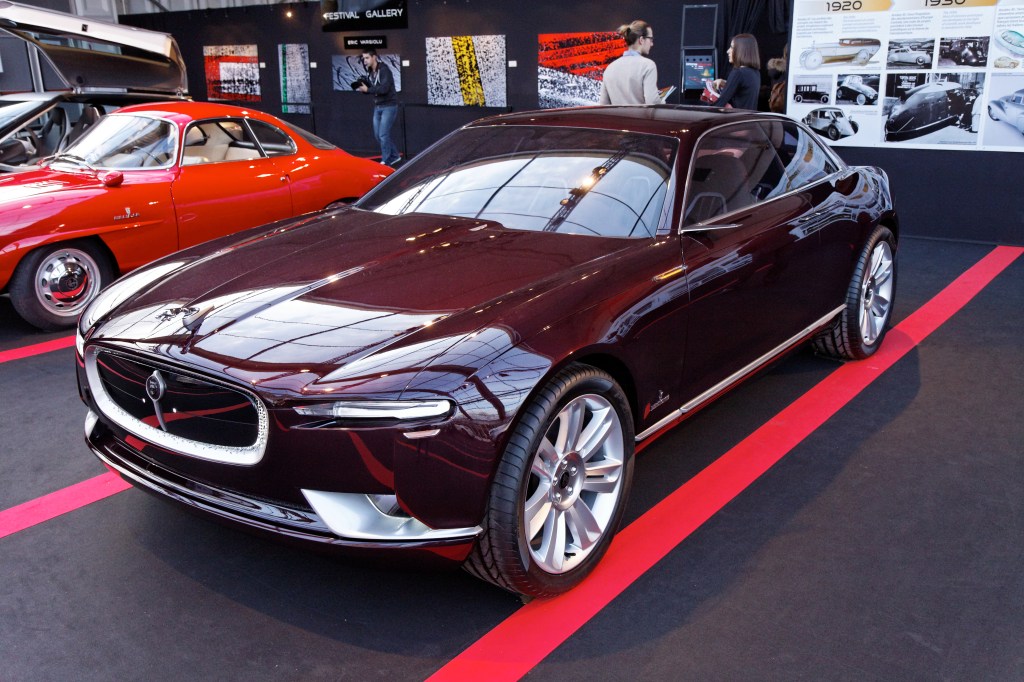
The Jaguar B99 by Bertone is one of the most frustratingly sensible concepts Bertone ever produced.
Frustrating because it looked like a Jaguar. A proper one.
Shown in 2011, the B99 was Bertone’s not-so-subtle suggestion that Jaguar could still build a compact saloon with dignity, proportion and genuine restraint instead of leaning too heavily on visual aggression. It was elegant, coherent, and — most dangerously of all — believable.
That is why it matters.
The B99 ranks here because it is less shocking than the older entries, but in some ways that makes it even more uncomfortable. It wasn’t some impossible fantasy. It was a plausible correction. And the fact it remained just that says rather a lot about how the industry treats outside brilliance when it becomes too embarrassing to admit it might be right.
10. BMW Pickster (1998)
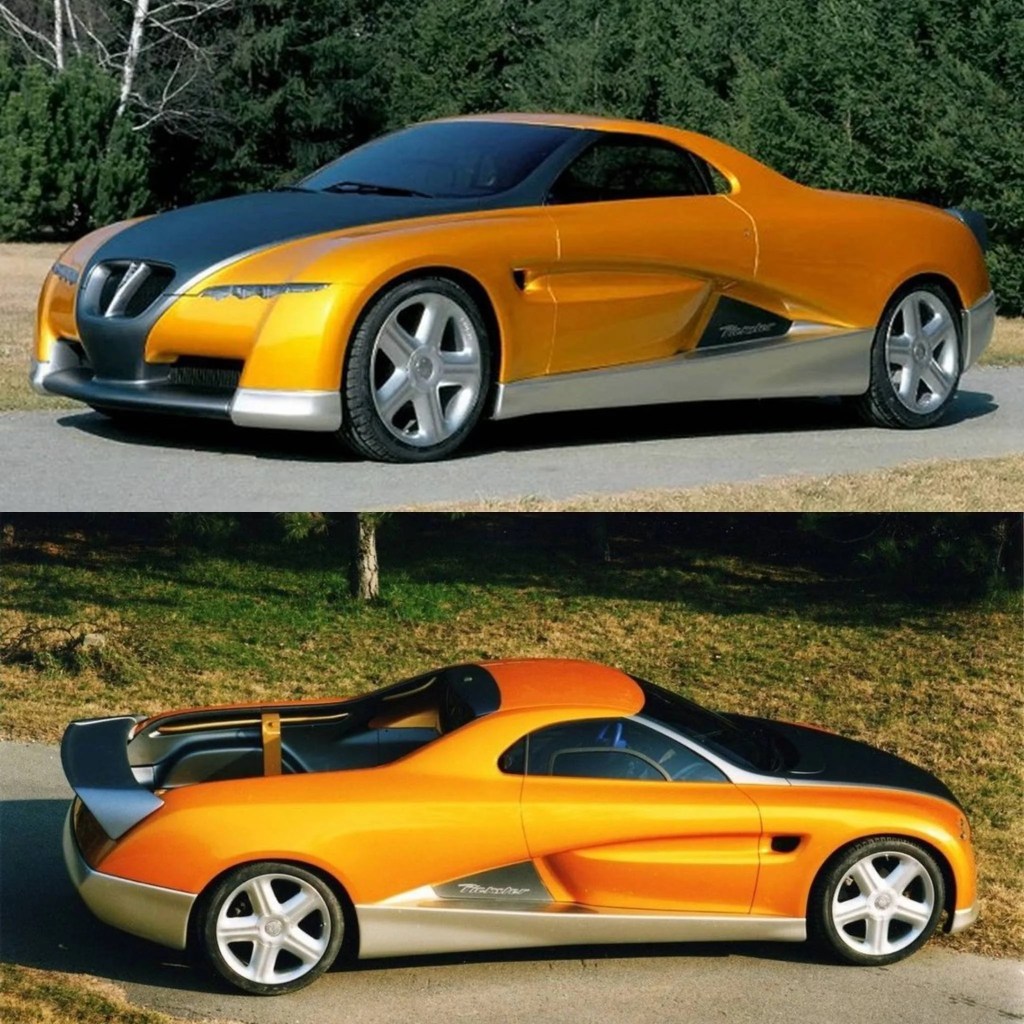
The BMW Pickster sounds like a joke.
It absolutely is not.
This gloriously odd Bertone-built concept took BMW thinking and pushed it into a category that makes almost no sense on paper: a sort of luxury-performance pickup-roadster hybrid that somehow feels both absurd and oddly convincing. It’s one of those rare concepts where the longer you look, the less certain you become whether it’s brilliant or ridiculous.
Which is usually a good sign.
It cracks the top 10 because it’s instantly shareable, visually unusual, and broad enough to hook readers who might not care about obscure coachbuilders. A weird Bertone concept is one thing. A weird BMW Bertone concept is much more useful.
And for this article, useful matters.
9. Porsche Karisma (1989)
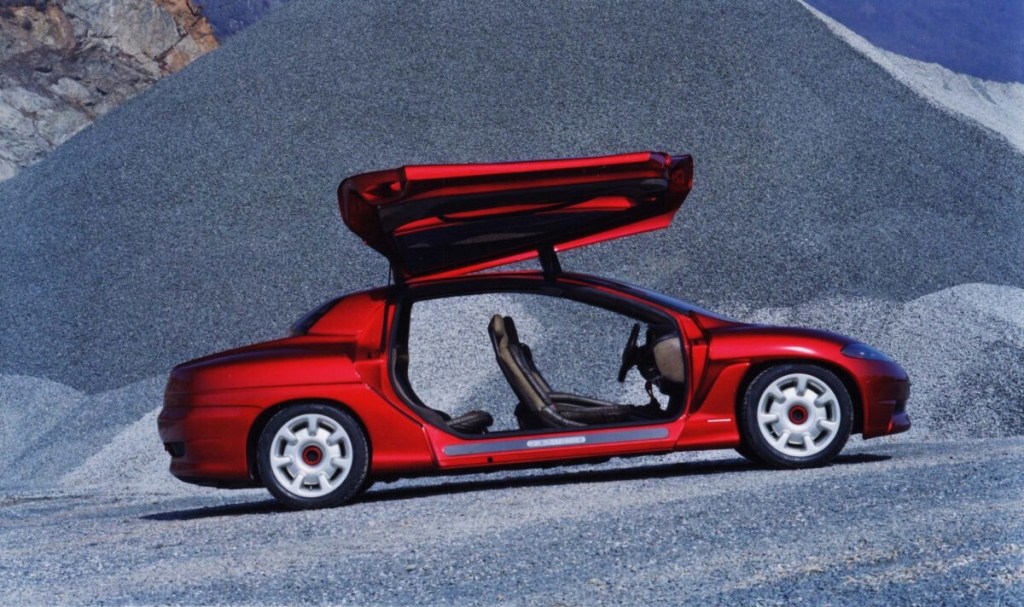
The Porsche Karisma is one of the best examples of why this article should never have been limited to Bertone-badged cars.
Because while it wore a Porsche badge, it was unmistakably a Bertone idea.
And a very Bertone idea at that.
The Karisma was a four-door grand tourer concept built around Porsche 928 thinking, which is already the sort of sentence that makes you wish the late 1980s had been run by better people. It imagined a Porsche saloon long before Porsche eventually did one properly, and it did so with more character, more proportion and far more elegance than the cautious reality that arrived later.
That is why it ranks this high.
It isn’t just interesting. It’s prophetic.
8. Lancia Kayak (1995)
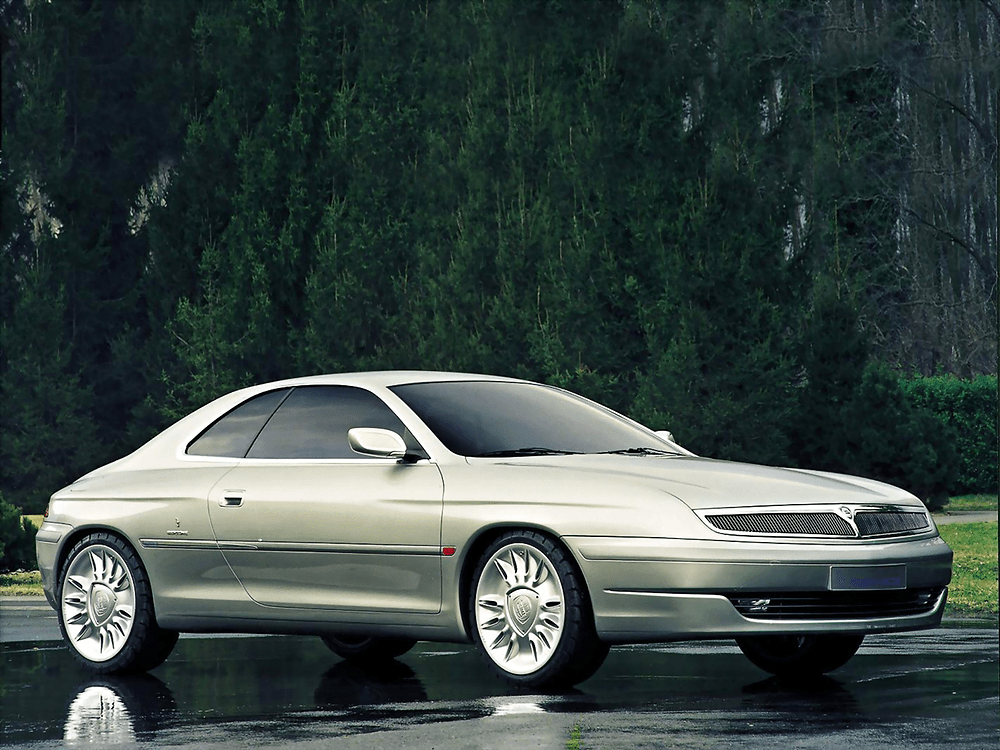
The Lancia Kayak is not one of Bertone’s loudest concepts.
It is one of its most quietly devastating.
Built on the Lancia Kappa platform, the Kayak showed that an executive coupe could still be elegant without becoming pompous, still be restrained without becoming anonymous, and still look expensive without needing to scream about it. Its proportions were excellent, its surfacing was mature, and the whole thing carried itself with the sort of confidence Lancia itself had already begun to lose.
That is what makes it painful.
The Kayak ranks in the top 10 because it represents more than a beautiful car. It represents a brand being shown exactly what it should be — and still failing to listen.
That, in the car industry, is a recurring talent.
7. Citroën Zabrus (1986)
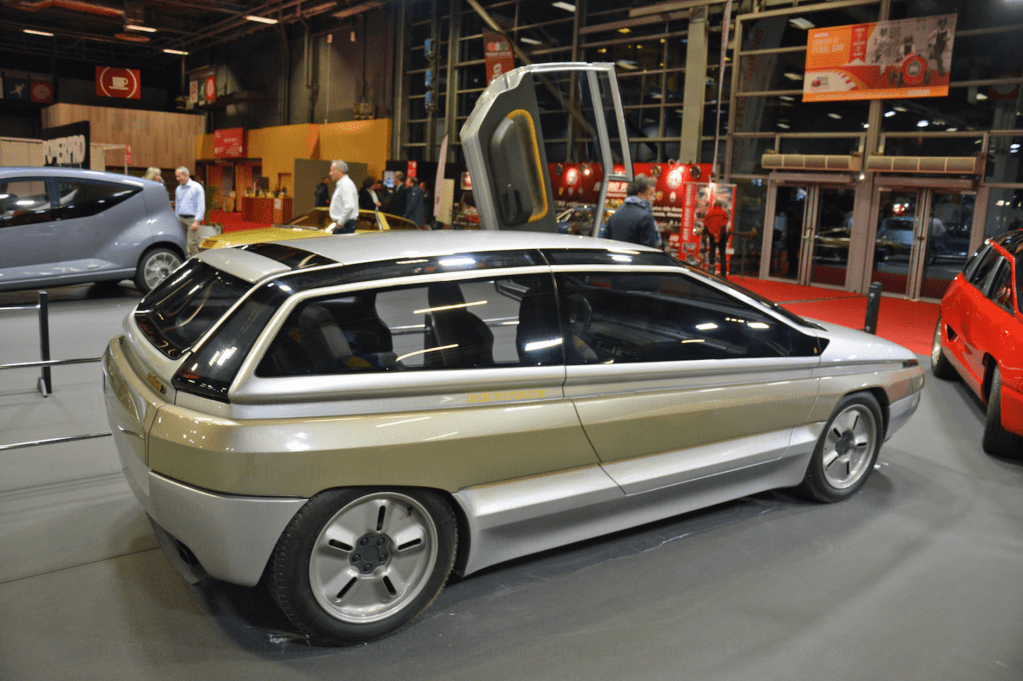
The Citroën Zabrus looks like a car designed by someone who thought the future should be aerodynamic, expensive, and faintly unsettling.
A perfectly reasonable position.
Built around Citroën BX 4TC underpinnings, the Zabrus combined a long glasshouse, dramatic proportions, hidden rear wheels, scissor doors, and a wonderfully strange cabin with Citroën-style eccentricity turned up to maximum. It wasn’t just a styling exercise. It was a rolling demonstration that even an ordinary platform could be transformed into something that felt almost extraterrestrial.
That is why it ranks here.
Because this is where the list starts to become impossible to ignore. Even now, the Zabrus still looks like it belongs to a future nobody quite approved.
6. Lamborghini Athon (1980)
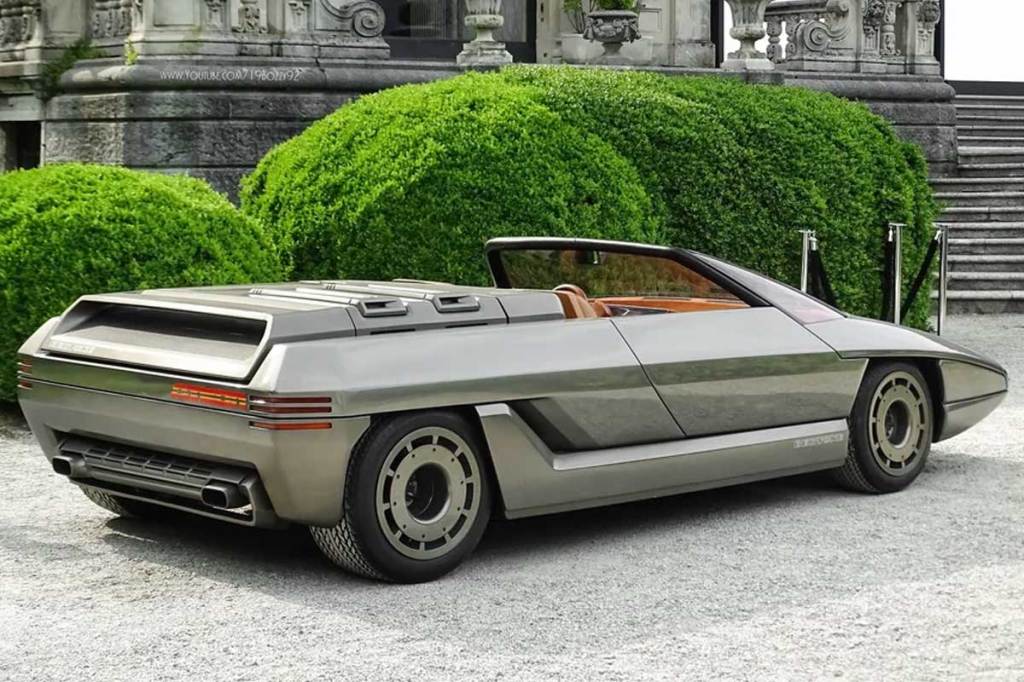
The Lamborghini Athon is what happens when Bertone proves that a wedge can still be dramatic without behaving like a tantrum.
That is rarer than it sounds.
Designed by Bertone for Lamborghini and based on the Silhouette, the Athon was fully functional, open-topped, and powered by a 3.0-litre V8. It was also one of the first Bertone concepts shaped after the Gandini era, which makes its confidence even more impressive. This wasn’t nostalgia. It was a studio proving it still understood the language of Italian exotica better than most people who were supposed to.
And it did.
The Athon ranks this high because it is dramatic, elegant, usable and genuinely exotic without tipping into self-parody. Modern supercars could learn a lot from that.
They won’t, obviously.
5. Bertone Genesis (1988)
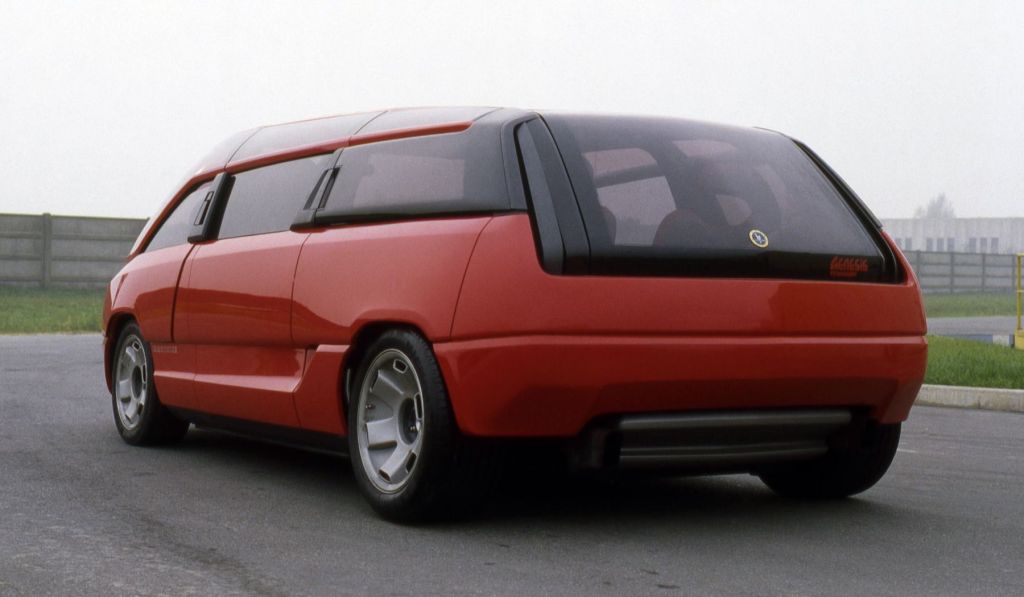
The Bertone Genesis should not exist.
That is exactly why it is wonderful.
A luxury MPV concept with a Lamborghini V12 sounds like the sort of thing someone says sarcastically in a meeting before being politely ignored. Bertone, however, went and built it. And then, because subtlety clearly wasn’t invited, it gave it theatrical access, lounge-like packaging and the sort of confidence modern “lifestyle vehicles” can only dream of.
This is why the Genesis matters.
It didn’t merely imagine a practical vehicle. It imagined a practical vehicle that refused to apologise for being spectacular. That is a much rarer idea than it should be.
It ranks fifth because it is one of the most visually unforgettable cars here — but the top four carry even greater historical or philosophical weight.
Still, as a cover image? It might be unbeatable.
4. Chevrolet Corvette Ramarro by Bertone (1984)
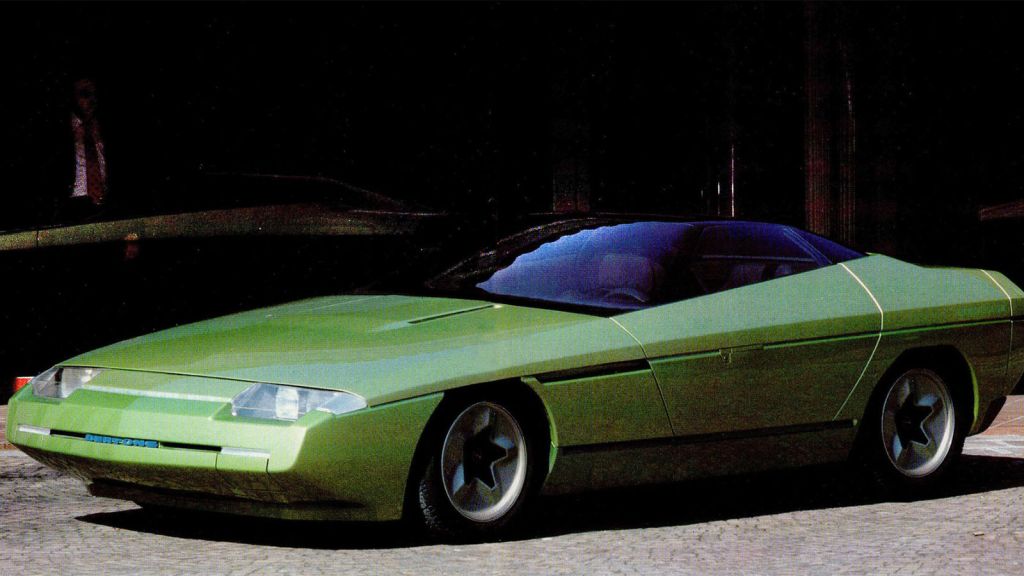
The Chevrolet Corvette Ramarro by Bertone is what happens when a production sports car gets handed to a design house with no interest in behaving.
The donor C4 Corvette was modern, sharp and capable for its time.
The Ramarro made it look almost timid.
Named after a green lizard, the Ramarro took Corvette mechanicals and transformed them into something lower, stranger, more dramatic and far more mythic. It didn’t just restyle a sports car. It exposed how conservative even “exciting” production cars often are once accountants and committees have finished sanding off the interesting parts.
That is why it ranks this high.
The Corvette was the product.
The Ramarro was the point.
And the point was better.
3. Autobianchi A112 Runabout (1969)
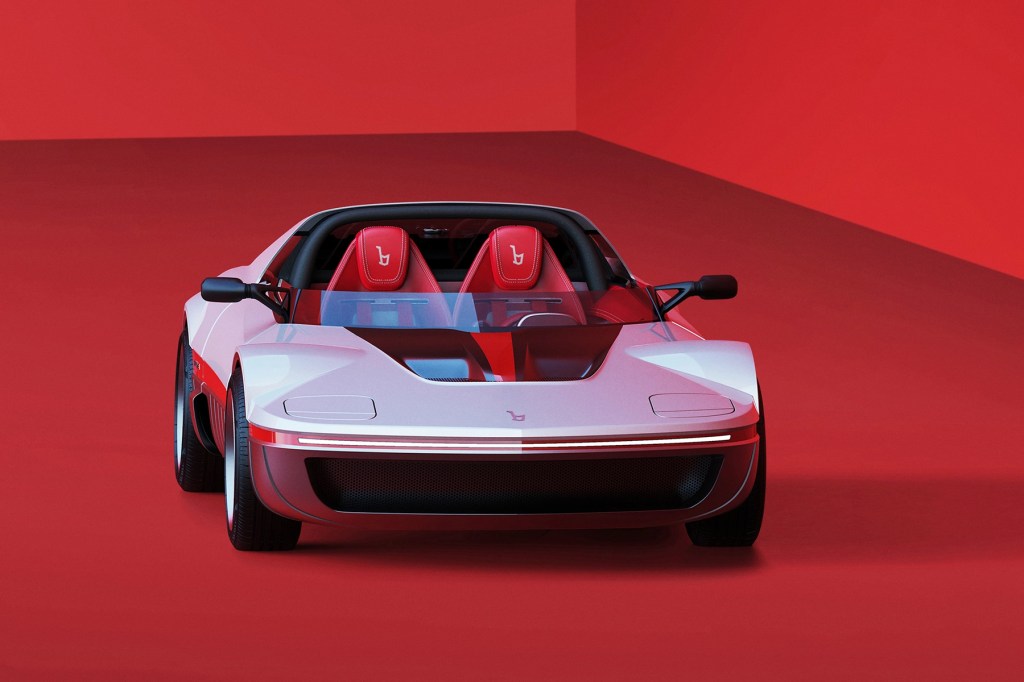
The Autobianchi A112 Runabout is where Bertone’s genius becomes impossible to dismiss as mere styling.
Because this wasn’t just a strange, brilliant little show car.
It actually mattered.
Designed by Marcello Gandini at Bertone and shown in 1969, the Runabout combined a tiny mid-engined layout, nautical inspiration, exposed rollbar-mounted lamps and an absurdly clean wedge-barchetta silhouette. It looked radical. But more importantly, it directly helped inspire the Fiat X1/9, which means it wasn’t just admired — it changed the conversation.
That is why it belongs in the top three.
It wasn’t simply a lost dream. It was proof that Bertone’s ideas sometimes forced reality to move.
2. Lancia Stratos Zero (1970)
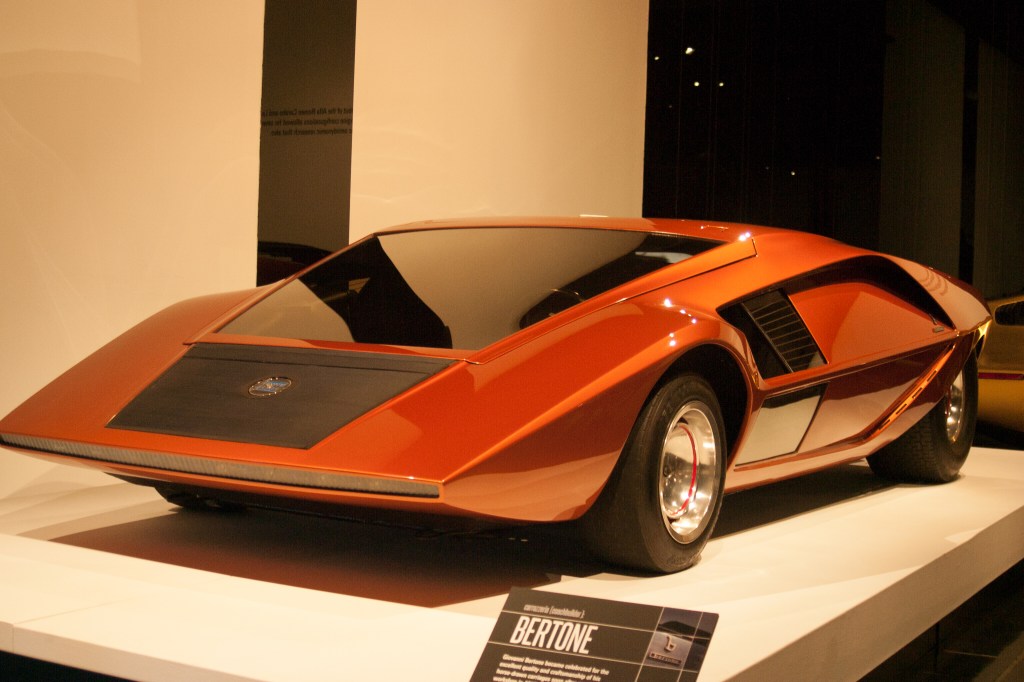
The Lancia Stratos Zero still looks as though it was smuggled here from a future that never received planning permission.
It is not merely radical.
It is aggressive in a way modern concept cars rarely dare to be.
Based on Lancia Fulvia HF mechanicals and designed by Gandini at Bertone, the Stratos Zero reduced the idea of a car to a razor blade. A pure wedge. Almost no height. A machine so low and so visually confrontational that it still makes many contemporary “futuristic” concepts look like carefully managed appliances.
That is why it ranks second.
Because the Stratos Zero didn’t just predict a design trend.
It detonated one.
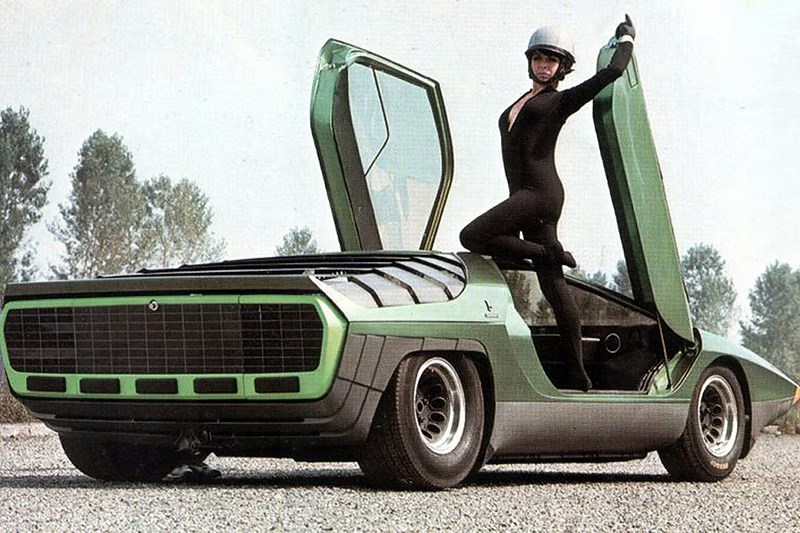
1. Alfa Romeo Carabo (1968)
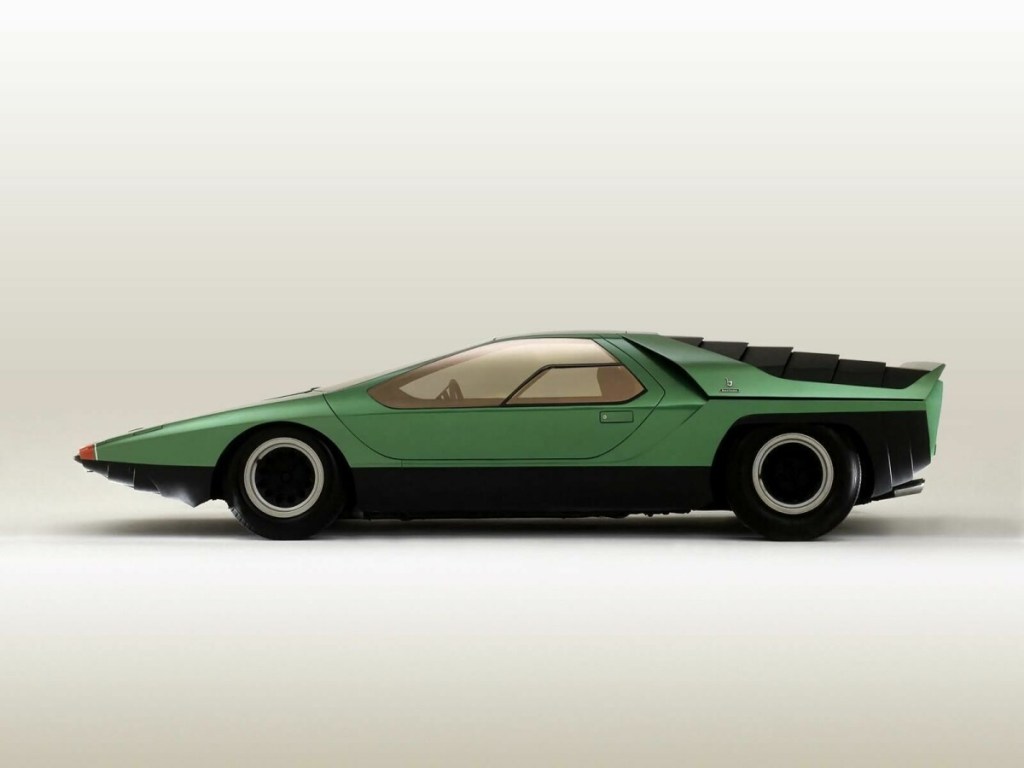
And then there is the Alfa Romeo Carabo.
The inevitable winner.
Not because it is the rarest. Not because it is the weirdest. And not because it is the most famous. It wins because it is the cleanest expression of what Bertone — and specifically Gandini-era Bertone — could do when imagination, proportion and nerve all aligned at once.
Built on Alfa Romeo 33 Stradale underpinnings and unveiled in 1968, the Carabo arrived like a warning shot. The wedge shape. The impossibly low roof. The iridescent green-and-orange theatre. The scissor doors that would later become part of supercar mythology. It was not trying to look like the future. It was trying to force the future to catch up.
And in many ways, it did.
This is why the Carabo has to be number one.
Because it isn’t merely a brilliant concept car. It is a design manifesto. A car that still explains, in one violent silhouette, why so many later performance cars owe Bertone a debt they barely understand.
The others on this list reveal lost roads.
The Carabo created one.
What This List Really Says About Bertone
The lazy conclusion is that Bertone just liked to be outrageous.
That is true in the same way saying the Concorde was “quite quick” is technically accurate.
The more useful conclusion is this: Bertone understood that a concept car should not merely decorate the future — it should challenge the assumptions that built the present.
That is why this list has so much range.
A tiny amphibious Suzuki.
A V12 luxury van.
A Citroën that looks like an alien GT.
A Porsche saloon before Porsche really wanted one.
A Jaguar Bertone arguably understood better than Jaguar did.
The pattern is always the same.
These ideas didn’t fail because they were necessarily wrong. They failed because they were awkward. Too brave. Too early. Too strange. Too expensive. Or simply too revealing. Because once a great concept exists, it forces a very uncomfortable question onto the table:
If this was possible, why was the real car so ordinary?
That is a question the industry has never particularly enjoyed answering.
Final Verdict
Bertone’s forgotten concepts were not failures of design.
They were failures of nerve.
Some were too wild. Some were too elegant. Some were too clever for the moment they arrived in. But together, they reveal a truth modern car design still struggles with: the industry has become much better at finishing ideas and much worse at having them.
These were not just concept cars.
They were warnings.
And most of them were ignored.

 UNBUILT GARAGE
Leave a comment